

Can graphite electrodes be recycled?
Oct 27, 2025
Leave a message
As a supplier of graphite electrodes, I often get asked if these essential components can be recycled. It's a question that's not only important for environmental reasons but also for economic efficiency. In this blog, I'll dive into the topic and share what I've learned over the years in the graphite electrode business.
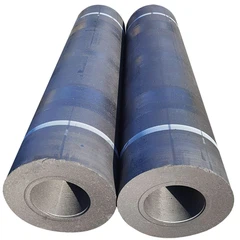
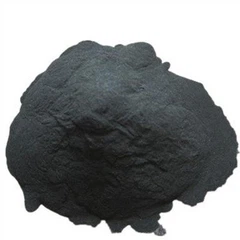
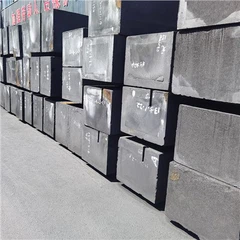
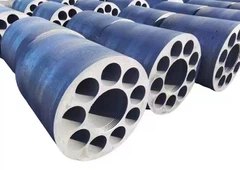
First off, let's understand what graphite electrodes are and where they're used. Graphite electrodes are crucial in various industrial processes. They're used in electric arc furnaces to melt scrap metal for steel production. They're also key in Graphite Electrodes For Silicon Carbide Production, where they help in the synthesis of silicon carbide, a material known for its hardness and heat resistance. And Graphite Electrodes For Platinum Production play a vital role in extracting and refining platinum, a precious metal used in jewelry, electronics, and catalytic converters.
Now, back to the main question: Can graphite electrodes be recycled? The short answer is yes, they can. But like most things in life, it's not that simple. Recycling graphite electrodes involves several steps and faces some challenges.

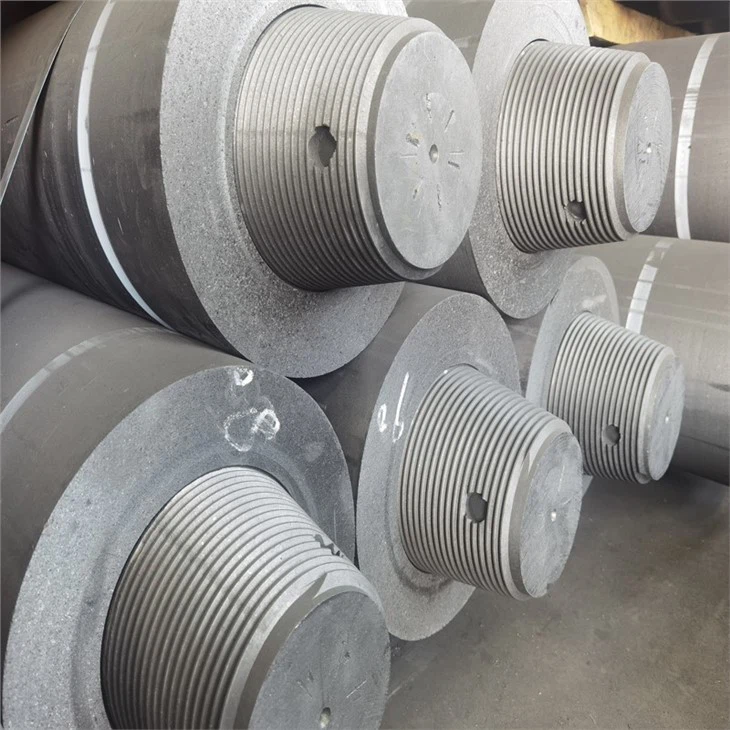
The first step in recycling graphite electrodes is to assess their condition. After use, electrodes can be damaged, worn out, or contaminated. For instance, in an electric arc furnace, electrodes are exposed to extremely high temperatures and chemical reactions, which can cause them to erode. If an electrode is severely damaged, it might not be suitable for recycling. However, if the damage is minor, it can often be refurbished and reused.
Once the electrodes are deemed suitable for recycling, the next step is to clean them. This involves removing any impurities, such as metal residues or slag, that may have adhered to the electrode during use. Cleaning methods can vary depending on the type and extent of contamination. For example, some electrodes can be cleaned using mechanical methods, like grinding or sandblasting, while others may require chemical cleaning.
After cleaning, the recycled graphite electrodes need to be processed to restore their properties. This can involve heat treatment to improve their strength and conductivity. Heat treatment can also help to remove any remaining impurities and realign the graphite structure. The exact heat treatment process depends on the specific requirements of the application.
One of the challenges in recycling graphite electrodes is the cost. Recycling can be expensive, especially when it comes to cleaning and heat treatment. The cost of recycling needs to be weighed against the cost of producing new electrodes. In some cases, it may be more cost-effective to produce new electrodes, especially if the recycled electrodes don't meet the required quality standards.
Another challenge is the availability of recycling facilities. Not all regions have the infrastructure to recycle graphite electrodes. This can make it difficult for suppliers and users to recycle their electrodes. However, as awareness of environmental issues grows, more and more companies are investing in recycling facilities, which is a positive trend.
Despite these challenges, there are several benefits to recycling graphite electrodes. From an environmental perspective, recycling reduces the demand for raw materials. Graphite is a natural resource, and mining it can have a significant impact on the environment. By recycling electrodes, we can conserve this resource and reduce the environmental footprint of the graphite electrode industry.
Economically, recycling can also be beneficial. Refurbished electrodes can be sold at a lower cost than new electrodes, which can save money for companies that use them. Additionally, recycling can create jobs in the recycling industry, which is good for the economy.
In the Graphite Electrode For DC Electric Arc Furnace market, recycling is becoming increasingly important. DC electric arc furnaces are more energy-efficient than their AC counterparts, but they also require high-quality electrodes. Recycling can help to meet the demand for these electrodes while reducing costs and environmental impact.
So, if you're a company that uses graphite electrodes, I encourage you to consider recycling. It's not only good for the environment but also makes economic sense. And if you're looking for a reliable supplier of graphite electrodes, whether new or recycled, I'm here to help. We have a wide range of graphite electrodes for different applications, and we're committed to providing high-quality products at competitive prices.
If you're interested in learning more about our graphite electrode products or have any questions about recycling, feel free to reach out. We're always happy to have a chat and discuss how we can meet your needs. Whether you're in the steel industry, silicon carbide production, or platinum refining, we have the expertise and products to support your operations.
In conclusion, while recycling graphite electrodes has its challenges, it's definitely possible and offers many benefits. As a supplier, I'm excited to see the growing interest in recycling and the positive impact it can have on the industry and the environment. So, let's work together to make the graphite electrode industry more sustainable and efficient.
If you're in the market for graphite electrodes or have electrodes that need recycling, don't hesitate to get in touch. We can help you find the best solution for your needs and ensure that you get the most out of your graphite electrodes.
References
- "Graphite Electrodes: Properties, Applications, and Recycling," Journal of Materials Science
- "Recycling of Graphite Electrodes in the Steel Industry," International Journal of Recycling of Materials
Send Inquiry