

How to recycle a graphite block?
Jan 01, 2026
Leave a message
Recycling graphite blocks is an essential practice that not only contributes to environmental sustainability but also offers economic benefits. As a graphite block supplier, I understand the importance of promoting responsible recycling methods. In this blog, I will share insights on how to recycle graphite blocks effectively.
Understanding Graphite Blocks
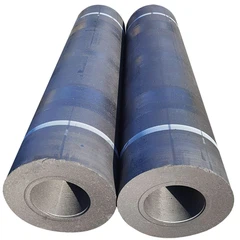
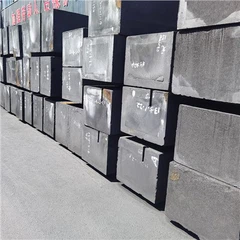
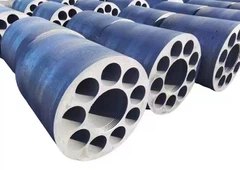
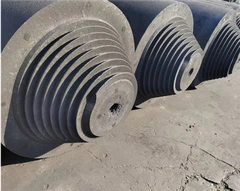
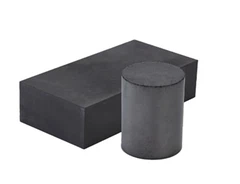
Graphite blocks are widely used in various industries due to their excellent thermal conductivity, high electrical conductivity, and chemical stability. They are commonly found in applications such as Graphite Electrode Squares, Graphite Electrode Blocks For Aluminum Production, and Graphite Electrode Blocks For Powder Metallurgy.
Reasons for Recycling Graphite Blocks
Recycling graphite blocks is crucial for several reasons. Firstly, it helps conserve natural resources. Graphite is a finite resource, and by recycling, we can reduce the demand for new mining operations. Secondly, recycling reduces waste and landfill usage. Graphite blocks can take a long time to decompose, and recycling them prevents them from ending up in landfills. Additionally, recycling graphite blocks can save energy compared to producing new graphite from raw materials.
Steps to Recycle Graphite Blocks
1. Collection and Sorting
The first step in recycling graphite blocks is to collect them from various sources. This can include industrial manufacturers, research institutions, and other users of graphite blocks. Once collected, the blocks need to be sorted based on their quality, size, and type of application they were used for. This sorting process helps in determining the most appropriate recycling method for each block.
2. Cleaning and Pre - treatment
After sorting, the graphite blocks need to be cleaned thoroughly. They may be contaminated with various substances such as metal particles, chemicals, or other residues from their previous use. Cleaning can involve using solvents, acids, or mechanical methods to remove these contaminants. Pre - treatment may also involve crushing the blocks into smaller pieces to make further processing easier.
3. Graphite Recovery
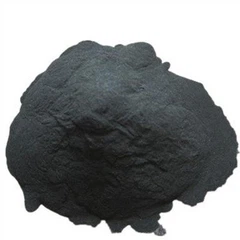
There are several methods for recovering graphite from the cleaned and pre - treated blocks. One common method is pyrolysis, which involves heating the graphite blocks in the absence of oxygen to break down any organic contaminants. Another method is chemical leaching, where the blocks are treated with specific chemicals to dissolve impurities and leave behind pure graphite.
4. Re - processing
Once the graphite has been recovered, it can be re - processed into new products. This may involve shaping the recycled graphite into new blocks, electrodes, or other components. The re - processing step requires careful control of the manufacturing process to ensure that the recycled graphite meets the required quality standards.
Challenges in Recycling Graphite Blocks
Recycling graphite blocks is not without its challenges. One of the main challenges is the presence of complex contaminants. Some graphite blocks may have been used in applications where they come into contact with highly toxic or difficult - to - remove substances. Removing these contaminants requires advanced and costly cleaning and treatment methods.
Another challenge is the lack of awareness and infrastructure for graphite recycling. Many industries are not fully aware of the benefits of recycling graphite blocks, and there are limited facilities available for large - scale recycling. This makes it difficult to recycle graphite blocks efficiently and economically.
Solutions to Overcome Challenges
To address the issue of complex contaminants, continuous research and development are needed. Scientists and engineers should work on developing new and more effective cleaning and treatment methods that can remove a wider range of contaminants. These methods should also be cost - effective and environmentally friendly.


To increase awareness and improve the recycling infrastructure, education and government support are essential. Industry associations can play a role in promoting the benefits of graphite recycling through workshops and training programs. Governments can provide incentives such as tax breaks or grants to encourage the establishment of more recycling facilities.
Environmental and Economic Benefits of Recycling Graphite Blocks
Recycling graphite blocks has significant environmental benefits. As mentioned earlier, it reduces the demand for new mining, which helps in conserving natural resources and minimizing the environmental impact of mining activities. It also reduces pollution associated with the production of new graphite from raw materials.
Economically, recycling can be a profitable venture. Recycling graphite blocks can reduce the cost of raw materials for industries that use graphite. Additionally, the recycled graphite market can create new business opportunities, such as the production of recycled graphite products and the establishment of recycling facilities.
How Our Company Can Assist in Recycling and Procurement
As a graphite block supplier, we are committed to promoting sustainable practices. We can offer guidance on recycling graphite blocks to our customers. Our team of experts can help in determining the best recycling methods based on the specific characteristics of the graphite blocks.
We also understand the importance of providing high - quality graphite products. Whether you are looking for recycled graphite products or new graphite blocks for your specific applications such as Graphite Electrode Squares, Graphite Electrode Blocks For Aluminum Production, or Graphite Electrode Blocks For Powder Metallurgy, we can meet your requirements.
If you are interested in learning more about our recycling services or would like to discuss procurement options, please feel free to reach out. We are always ready to have in - depth discussions about your needs and find the most suitable solutions for you.
Conclusion
Recycling graphite blocks is a vital step towards a more sustainable future. It not only helps in conserving natural resources and reducing environmental impact but also offers economic benefits. By understanding the recycling process, addressing the challenges, and promoting awareness, we can ensure that graphite is recycled effectively. As a graphite block supplier, we are dedicated to supporting our customers in their recycling efforts and providing high - quality graphite products. Contact us today to start a conversation about recycling and procurement.
References
- "Graphite: Properties, Processing and Applications", Edited by John B. Wachtman Jr. and Donald E. Cannon.
- "Recycling of Industrial Materials", by John T. Christian.
- Industry reports on graphite usage and recycling trends from relevant research institutions.
Send Inquiry