

How to improve the impact of high power graphite electrode on molten steel quality?
Oct 27, 2025
Leave a message
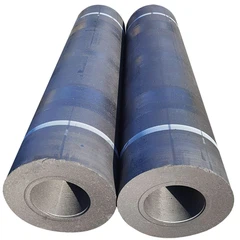
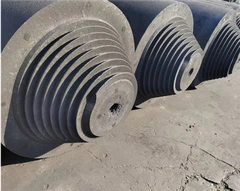
As a supplier of high power graphite electrodes, I've witnessed firsthand the crucial role these electrodes play in the steel - making process. High power graphite electrodes are essential components in electric arc furnaces (EAFs), where they are used to conduct electricity and generate the high - temperature arcs necessary to melt scrap steel and other raw materials. The quality of these electrodes can significantly influence the quality of the molten steel produced. In this blog, I'll share some insights on how to enhance the impact of high power graphite electrodes on molten steel quality.
Understanding the Basics of High Power Graphite Electrodes
High power graphite electrodes are made from petroleum coke and needle coke, which are baked and graphitized at extremely high temperatures. These electrodes have high electrical conductivity, thermal resistance, and mechanical strength, making them suitable for use in high - power electric arc furnaces. Their main function is to transfer electrical energy to the furnace, creating an arc that can reach temperatures of up to 3000°C, melting the steel scrap and other materials.
However, the performance of these electrodes can vary depending on their quality, manufacturing process, and usage conditions. A poor - quality electrode can lead to issues such as excessive electrode consumption, unstable arcs, and the introduction of impurities into the molten steel, all of which can negatively affect the quality of the final steel product.
Factors Affecting the Impact on Molten Steel Quality
1. Electrode Quality
The quality of the raw materials used in the production of high power graphite electrodes is of utmost importance. High - grade needle coke, for example, has a more ordered crystal structure, which results in better electrical conductivity and lower resistivity. This means that the electrode can transfer electrical energy more efficiently, reducing power consumption and minimizing the generation of heat in the electrode itself.
Moreover, a well - manufactured electrode should have a uniform density and structure. Any internal defects, such as cracks or voids, can cause uneven current distribution and lead to localized overheating, which may result in electrode breakage and the introduction of carbonaceous impurities into the molten steel. As a supplier, we ensure that our electrodes are produced using strict quality control measures to meet the highest standards.
2. Electrode Consumption
Excessive electrode consumption is a common problem in electric arc furnace operations. When an electrode is consumed too quickly, it not only increases production costs but also has a negative impact on molten steel quality. High electrode consumption can lead to an increase in the carbon content of the molten steel, which may affect its mechanical properties.
To reduce electrode consumption, proper electrode selection and usage are crucial. Using electrodes with a higher bulk density and better oxidation resistance can help slow down the consumption rate. Additionally, optimizing the furnace operating parameters, such as the arc length, current intensity, and power input, can also contribute to more efficient electrode use.
3. Arc Stability
A stable arc is essential for maintaining consistent melting conditions and ensuring the quality of the molten steel. Unstable arcs can cause uneven heating of the scrap, leading to incomplete melting and the formation of cold spots in the furnace. This can result in variations in the chemical composition and temperature of the molten steel, affecting its final properties.
To improve arc stability, the design and quality of the electrode are important. Electrodes with a smooth surface and a proper taper can help establish a more stable arc. Additionally, using advanced control systems in the electric arc furnace to monitor and adjust the arc parameters in real - time can also enhance arc stability.
Strategies to Improve the Impact on Molten Steel Quality
1. Selecting the Right Electrode
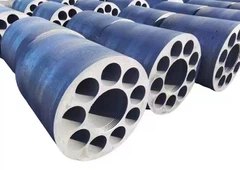
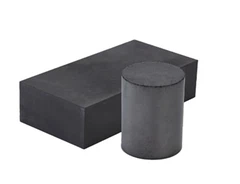
Choosing the appropriate high power graphite electrode for a specific steel - making process is crucial. Different types of steel require different electrode properties. For example, Graphite Electrode For Fuel Cells may have specific requirements for purity and electrical conductivity. As a supplier, we offer a wide range of electrodes with different specifications to meet the diverse needs of our customers.
We can provide technical support to help customers select the most suitable electrode based on their furnace type, steel grade, and production requirements. By choosing the right electrode, customers can improve the efficiency of their steel - making process and enhance the quality of the molten steel.
2. Optimizing Furnace Operating Conditions
Optimizing the operating conditions of the electric arc furnace is another important strategy. This includes controlling the arc length, current intensity, and power input. Maintaining an appropriate arc length can ensure a stable arc and efficient energy transfer. A too - short arc may cause excessive electrode wear, while a too - long arc can lead to unstable operation and increased energy consumption.
In addition, adjusting the current intensity and power input according to the melting stage of the steel can also improve the melting efficiency and reduce electrode consumption. For example, during the initial melting stage, a higher power input may be required to quickly heat up the scrap, while a lower power input can be used during the refining stage to maintain the temperature and composition of the molten steel.
3. Implementing Quality Control Measures
Implementing strict quality control measures throughout the steel - making process is essential for ensuring the quality of the molten steel. This includes monitoring the electrode quality, furnace operating parameters, and the chemical composition of the molten steel.
Regular inspection of the electrodes for any signs of damage or wear can help prevent electrode breakage and the introduction of impurities into the molten steel. Using advanced analytical techniques, such as spectroscopy, to monitor the chemical composition of the molten steel in real - time can also allow for timely adjustments to be made to the process parameters.
4. Using High - Performance Electrodes
High - performance electrodes, such as Low - resistance Graphite Electrodes For Powder Metallurgy and High Mechanical Strength Graphite Electrode, can offer significant advantages in terms of improving molten steel quality. Low - resistance electrodes can reduce power consumption and improve energy efficiency, while high - mechanical - strength electrodes are more resistant to breakage, reducing the risk of introducing impurities into the molten steel.


Conclusion
Improving the impact of high power graphite electrodes on molten steel quality is a complex but achievable goal. By understanding the factors that affect electrode performance and implementing appropriate strategies, such as selecting the right electrode, optimizing furnace operating conditions, and implementing quality control measures, steel manufacturers can enhance the efficiency of their steel - making process and produce high - quality molten steel.
As a high power graphite electrode supplier, we are committed to providing our customers with the highest - quality electrodes and comprehensive technical support. If you are interested in improving the quality of your molten steel and would like to discuss your electrode requirements, please feel free to contact us for a procurement negotiation. We look forward to working with you to achieve your steel - making goals.
References
- "Graphite Electrodes in Electric Arc Furnaces" - A technical report from the Steelmaking Research Institute.
- "Advances in High Power Graphite Electrode Technology" - Journal of Metallurgical Engineering.
- "Quality Control in Steelmaking Processes" - International Journal of Steel Production.
Send Inquiry