

What is the role of graphite blocks in the chemical industry?
Jan 01, 2026
Leave a message
What is the role of graphite blocks in the chemical industry?
Hey there! As a supplier of graphite blocks, I'm super stoked to chat about the awesome role these nifty things play in the chemical industry. Graphite blocks are like the unsung heroes of the chemical world, quietly doing their thing and making a huge impact.
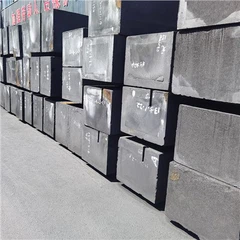
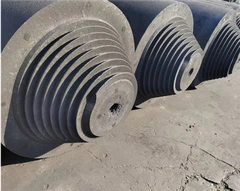
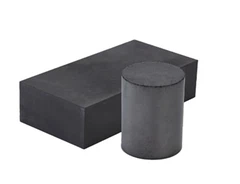
First off, let's talk about what graphite blocks actually are. Graphite is a form of carbon, and it's got some pretty unique properties. It's super conductive, both electrically and thermally, which makes it ideal for a whole bunch of chemical processes. Graphite blocks are basically chunks of this amazing material, shaped and sized to fit different applications.
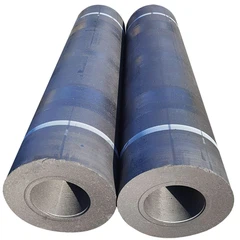
One of the main roles of graphite blocks in the chemical industry is as electrodes. In many chemical reactions, you need to pass an electric current through a solution to make things happen. That's where graphite electrodes come in. They're used in a wide range of electrochemical processes, like electrolysis.
For example, in the production of aluminum, graphite electrode blocks are absolutely crucial. Aluminum is made by electrolyzing alumina (aluminum oxide) dissolved in a molten salt bath. The graphite electrodes act as the conductors that carry the electric current into the bath, causing the alumina to break down into aluminum metal and oxygen gas. This process wouldn't be possible without high - quality graphite electrodes. If you're interested in graphite electrode blocks for aluminum production, you can check out Graphite Electrode Blocks For Aluminum Production.
Another big application is in the glass - melting industry. Graphite electrode blocks for glass melting are used to heat up the glass batch. The high electrical conductivity of graphite allows it to generate heat efficiently when an electric current is passed through it. This heat is then used to melt the raw materials that make up glass, like sand, soda ash, and limestone. The use of graphite electrodes in glass melting helps to achieve precise temperature control and efficient melting processes. To learn more about Graphite Electrode Blocks For Glass Melting, just click on the link.
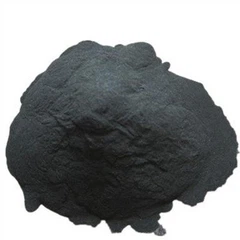
Graphite blocks also play a key role in powder metallurgy. In powder metallurgy, you're making metal parts by compacting and sintering metal powders. Graphite electrode plates for powder metallurgy are used in resistance heating applications. When an electric current passes through the graphite plates, they heat up due to the electrical resistance, and this heat is used to sinter the metal powders together, creating a solid metal part. If this sounds interesting to you, take a look at Graphite electrode plates for powder metallurgy.


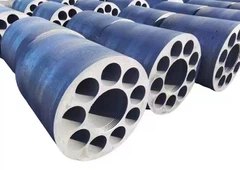
In addition to their use as electrodes, graphite blocks are also great for heat exchangers. In chemical processes, you often need to transfer heat from one fluid to another. Graphite is an excellent material for heat exchangers because of its high thermal conductivity. It can quickly and efficiently transfer heat, which helps to improve the overall efficiency of the chemical process. For example, in some chemical reactors, graphite heat exchangers can be used to cool down the reaction mixture or to heat up incoming reactants.
Graphite blocks are also resistant to many chemicals. This makes them suitable for use in corrosive environments. In chemical plants, there are lots of harsh chemicals, and regular materials would quickly corrode and break down. But graphite can withstand the attack of many acids, alkalis, and other corrosive substances. So, it can be used to make things like chemical storage tanks and pipes, or as linings for reaction vessels.
The machining properties of graphite are also a big plus. It's relatively easy to machine graphite blocks into different shapes and sizes. This means that we can customize graphite products to meet the specific needs of different chemical processes. Whether you need a complex - shaped electrode or a precisely - sized heat exchanger, we can make it happen.
Now, I know some of you might be thinking about the cost. Sure, graphite is not the cheapest material out there. But when you consider the long - term benefits, it's definitely worth the investment. Graphite blocks last a long time, especially in the harsh conditions of the chemical industry. Their high performance and durability mean that you'll save money in the long run by not having to replace equipment as often.
Also, as a supplier, we're always working on improving the quality of our graphite blocks. We use advanced manufacturing techniques to ensure that our products have consistent properties and high performance. We also have a great customer service team that can help you choose the right graphite product for your specific application.
If you're in the chemical industry and you're looking for high - quality graphite blocks, I'd love to chat with you. Whether you're involved in aluminum production, glass melting, powder metallurgy, or any other chemical process, we've got the right graphite solution for you. We can provide you with more detailed information about our products, and we're open to discussing your specific requirements. So, don't hesitate to reach out if you're interested in starting a procurement conversation.
In conclusion, graphite blocks are an essential part of the chemical industry. Their unique properties, such as high electrical and thermal conductivity, chemical resistance, and good machining characteristics, make them ideal for a wide range of applications. From electrodes to heat exchangers, they play a vital role in making chemical processes more efficient, reliable, and cost - effective.
References
- Some textbooks on chemical engineering that cover electrochemical processes and heat transfer.
- Industry reports on the use of graphite in various chemical applications.
- Technical papers on the properties and manufacturing of graphite materials.
Send Inquiry