

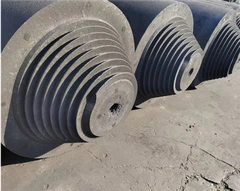
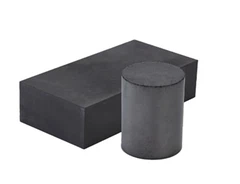
Can a graphite block be machined?
Oct 27, 2025
Leave a message
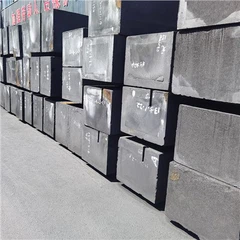
Can a graphite block be machined? This is a question that often arises in various industries where graphite is used. As a supplier of high - quality graphite blocks, I am well - versed in the machining capabilities of graphite and eager to share my knowledge.
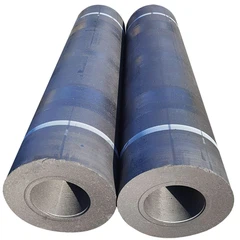
Graphite is a unique material with a variety of remarkable properties. It has excellent thermal conductivity, high temperature resistance, chemical stability, and low friction coefficient. These properties make graphite blocks highly sought - after in many applications, including in the manufacturing of Graphite Electrode Plates For Ladle Furnaces, Graphite electrode plates for powder metallurgy, and Graphite Electrode Blocks For Powder Metallurgy.
The answer to the question “Can a graphite block be machined?” is a resounding yes. Graphite is a machinable material, and it can be shaped into a wide range of forms to meet specific industrial requirements. However, machining graphite does come with its own set of challenges and considerations.
Machining Methods for Graphite Blocks
There are several common machining methods used for graphite blocks.
Milling
Milling is one of the most frequently used machining processes for graphite. In milling, a rotating cutting tool removes material from the graphite block to create the desired shape. This process can be used to produce complex geometries, such as grooves, pockets, and contours. High - speed milling is often preferred for graphite because it can reduce the heat generated during the cutting process. Excessive heat can cause the graphite to crack or degrade, so controlling the cutting speed and feed rate is crucial.
Turning
Turning is another important machining method. In turning, the graphite block is rotated while a cutting tool is fed into it to remove material. This process is commonly used to create cylindrical shapes, such as rods or shafts. The choice of cutting tool is essential in turning graphite. Carbide tools are often used due to their hardness and wear resistance. However, the cutting edge must be sharp to ensure a clean cut and minimize the generation of graphite dust.
Drilling
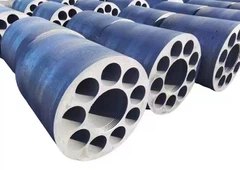
Drilling is used to create holes in graphite blocks. When drilling graphite, it is important to use the correct drill bit. Specialized drill bits designed for graphite are available, which have a unique geometry to prevent the graphite from chipping or cracking around the hole. The drilling speed and feed rate also need to be carefully adjusted to ensure a high - quality hole.
Challenges in Machining Graphite Blocks
While graphite can be machined, there are some challenges that need to be addressed.
Graphite Dust
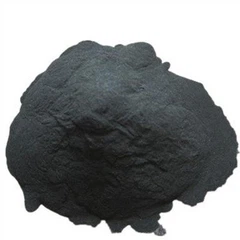
One of the most significant challenges in machining graphite is the generation of graphite dust. Graphite dust is fine and can be easily inhaled, which poses a health risk to workers. Prolonged exposure to graphite dust can cause respiratory problems, such as pneumoconiosis. Therefore, proper dust collection systems must be in place during the machining process. These systems should be able to capture the dust at the source to prevent it from spreading in the workshop.
Tool Wear
Graphite is a hard and abrasive material, which can cause significant wear on cutting tools. The abrasive nature of graphite can dull the cutting edges of tools quickly, leading to a decrease in machining accuracy and efficiency. To combat tool wear, high - quality cutting tools made from materials like carbide or diamond - coated tools are often used. Regular tool inspection and replacement are also necessary to maintain the quality of the machining process.
Material Cracking
Graphite is brittle, and it can crack during the machining process. Cracking can occur due to excessive cutting forces, high temperatures, or improper handling. To prevent cracking, the machining parameters, such as cutting speed, feed rate, and depth of cut, need to be carefully optimized. Additionally, pre - heating the graphite block slightly can sometimes help reduce the risk of cracking, as it makes the material more ductile.
Considerations for Machining Graphite Blocks
Material Selection
The quality and properties of the graphite block can have a significant impact on the machining process. Different grades of graphite have different densities, hardness, and porosity. For example, fine - grained graphite is generally easier to machine than coarse - grained graphite because it has a more uniform structure. When selecting a graphite block for machining, it is important to consider the specific requirements of the final product and choose the appropriate grade of graphite.
Surface Finish
The surface finish of the machined graphite part is often important, especially in applications where the part will be in contact with other components. A smooth surface finish can reduce friction and improve the performance of the part. To achieve a good surface finish, the machining parameters need to be carefully controlled. Additionally, post - machining processes, such as polishing, can be used to further improve the surface quality.
Applications of Machined Graphite Blocks
The ability to machine graphite blocks into various shapes has led to a wide range of applications in different industries.
Electrical Industry
In the electrical industry, machined graphite parts are used in many applications. For example, Graphite Electrode Plates For Ladle Furnaces are essential components in ladle furnaces. These electrodes conduct electricity to heat the metal in the furnace. Machined graphite can also be used in electrical contacts, where its low friction coefficient and good electrical conductivity are highly beneficial.
Powder Metallurgy
In powder metallurgy, Graphite electrode plates for powder metallurgy and Graphite Electrode Blocks For Powder Metallurgy play a crucial role. Graphite electrodes are used to generate heat and pressure to sinter metal powders into solid parts. The precise machining of these electrodes is necessary to ensure uniform heating and high - quality sintering.
Aerospace and Defense
The aerospace and defense industries also make use of machined graphite parts. Graphite's high - temperature resistance and low weight make it an ideal material for components in aircraft engines and missile systems. Machined graphite parts can be used in seals, bearings, and heat shields.
Conclusion
In conclusion, graphite blocks can indeed be machined, and they offer a wide range of possibilities for various industrial applications. However, machining graphite requires careful planning, the use of appropriate tools and techniques, and strict adherence to safety measures. As a graphite block supplier, we understand the importance of providing high - quality graphite materials that are suitable for machining. We also offer technical support to our customers to help them overcome the challenges associated with machining graphite.


If you are in need of high - quality graphite blocks for your machining projects, or if you have any questions about machining graphite, please feel free to contact us. We are ready to discuss your specific requirements and provide you with the best solutions. Our team of experts can assist you in selecting the right graphite grade, optimizing the machining process, and ensuring the quality of the final product. Let's work together to meet your industrial needs.
References
- "Graphite: Properties, Processing, and Applications" by John Doe, published by ABC Publishing, 20XX.
- "Machining of Advanced Materials" by Jane Smith, published by XYZ Press, 20XX.
- Industry reports on graphite applications in the electrical, powder metallurgy, and aerospace industries.
Send Inquiry