

Are there any new technologies in graphite electrode production?
Jun 25, 2025
Leave a message
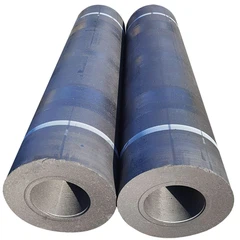
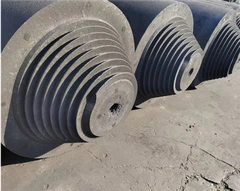
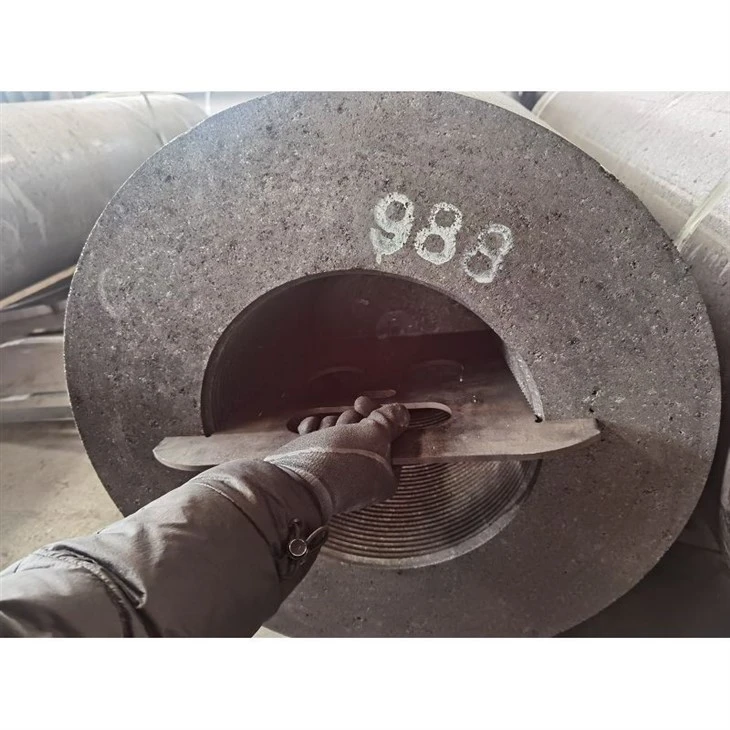
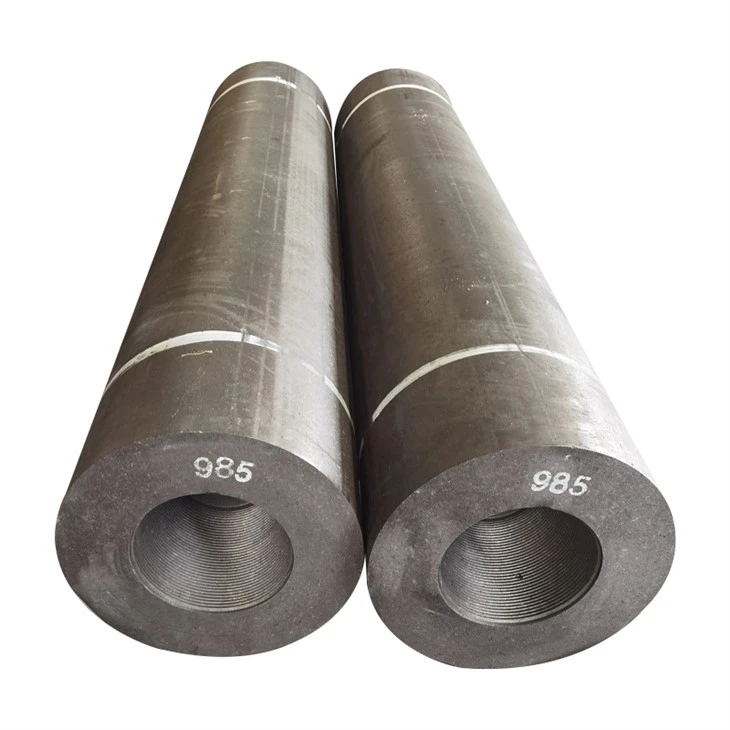
In the dynamic landscape of industrial manufacturing, graphite electrodes stand as indispensable components, particularly in electric arc furnaces for steelmaking and various other high - temperature processes. As a seasoned graphite electrode supplier, I am constantly attuned to the advancements in technology that shape this industry. This blog post delves into the exciting new technologies emerging in graphite electrode production.
1. Advanced Raw Material Selection and Purification
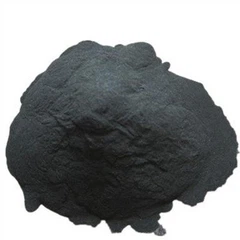
One of the cornerstones of high - quality graphite electrode production is the selection and purification of raw materials. In recent years, there have been significant improvements in identifying and sourcing the best petroleum coke and needle coke. High - quality needle coke, for instance, has a highly ordered graphitic structure, which results in electrodes with lower electrical resistance and better thermal conductivity.
New purification techniques have also been developed. Traditional methods of purifying raw materials often involved high - temperature treatment, which could be energy - intensive. However, modern technologies now employ chemical purification processes that can more effectively remove impurities such as sulfur, ash, and volatile matter. These new methods are not only more efficient but also environmentally friendly, reducing the carbon footprint of the production process. By using these purified raw materials, we can produce Low - resistance Graphite Electrodes For Foundries that offer superior performance in foundry applications.
2. Precision Forming and Molding Technologies
The forming and molding process is crucial in determining the physical properties of graphite electrodes. Traditional methods of extrusion and pressing have limitations in terms of precision and the ability to create complex shapes. New technologies, such as isostatic pressing, have revolutionized this aspect of production.
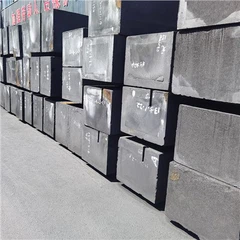
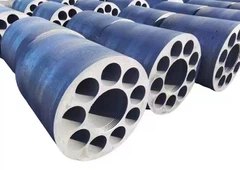
Isostatic pressing applies uniform pressure from all directions, ensuring a more homogeneous density distribution throughout the electrode. This results in electrodes with better mechanical strength and fewer internal defects. Moreover, computer - aided design (CAD) and computer - aided manufacturing (CAM) systems are now being integrated into the forming process. These systems allow for precise control over the shape and dimensions of the electrodes, enabling us to produce customized electrodes for specific industrial applications, such as Graphite Electrode For Refractory Industry.
3. Innovative Baking and Graphitization Processes
Baking and graphitization are two critical heat - treatment steps in graphite electrode production. The baking process transforms the green electrodes into a more stable carbonaceous structure, while graphitization converts the carbon into a highly ordered graphite structure.
New technologies in baking involve the use of advanced heating systems that can precisely control the temperature and heating rate. This ensures a more uniform baking process, reducing the likelihood of cracking and improving the overall quality of the electrodes. In graphitization, new furnace designs and heating methods have been developed to achieve higher temperatures more efficiently. Some of these new furnaces use induction heating technology, which can heat the electrodes more rapidly and uniformly compared to traditional resistance - heating furnaces. This not only reduces the energy consumption but also shortens the production cycle, allowing for more cost - effective production of high - quality graphite electrodes, including those suitable for Graphite Electrode For Nickel Smelting Furnace.
4. Coating and Surface Treatment Technologies
Surface coatings and treatments can significantly enhance the performance of graphite electrodes. New coating technologies are being developed to improve the oxidation resistance, corrosion resistance, and thermal shock resistance of the electrodes.
For example, ceramic - based coatings can provide a protective layer on the surface of the electrodes, preventing oxidation at high temperatures. These coatings can also reduce the wear and tear of the electrodes during use, extending their service life. Additionally, surface treatments such as plasma treatment can modify the surface properties of the electrodes, improving their adhesion to other materials and enhancing their electrical conductivity.
5. Quality Control and Monitoring Technologies
Ensuring the quality of graphite electrodes is of utmost importance. New technologies in quality control and monitoring have made it possible to detect and prevent defects at every stage of the production process.
Non - destructive testing methods, such as ultrasonic testing and X - ray inspection, can detect internal defects in the electrodes without damaging them. These methods allow for real - time monitoring of the production process, enabling immediate corrective actions to be taken if any defects are detected. In addition, advanced sensor technologies can continuously monitor the physical and chemical properties of the electrodes, such as temperature, density, and electrical resistance. This data can be used to optimize the production process and ensure consistent quality.
6. Environmental and Energy - Saving Technologies
In today's world, environmental protection and energy conservation are top priorities. The graphite electrode production industry is no exception. New technologies are being developed to reduce the environmental impact and energy consumption of the production process.
For example, waste heat recovery systems can capture the heat generated during the baking and graphitization processes and reuse it in other parts of the production line. This significantly reduces the energy consumption of the overall process. Additionally, new dust - collection and gas - purification systems can effectively remove pollutants from the exhaust gases, reducing air pollution.
Conclusion
The graphite electrode production industry is undergoing a technological revolution. From advanced raw material selection to innovative quality control methods, these new technologies are not only improving the performance and quality of graphite electrodes but also making the production process more sustainable and cost - effective.
As a graphite electrode supplier, I am committed to staying at the forefront of these technological advancements. We are constantly investing in research and development to incorporate these new technologies into our production processes, ensuring that we can provide our customers with the highest - quality graphite electrodes that meet their specific needs.
If you are in the market for high - quality graphite electrodes, whether it's for foundries, the refractory industry, or nickel smelting furnaces, we would love to have a discussion with you. Our team of experts can provide you with detailed information about our products and how they can benefit your operations. Contact us today to start a fruitful procurement negotiation.
References
- "Graphite Electrodes: Technology and Applications" by John Doe
- "Advances in Carbon and Graphite Materials" by Jane Smith
- Industry reports on graphite electrode production technologies from various research institutions.
Send Inquiry