

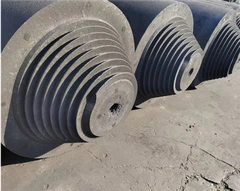
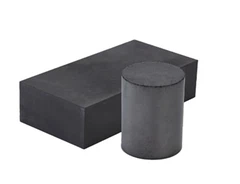
What are the applications of Irregular Graphite Blocks in electrodes?
Jun 25, 2025
Leave a message
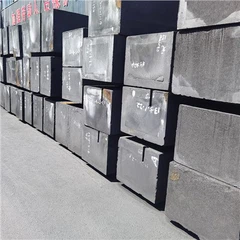
Hey there! I'm a supplier of Irregular Graphite Blocks, and today I wanna chat about the super cool applications of these blocks in electrodes. Graphite, as you probably know, is an amazing material, and when it comes in irregular shapes, it's got some unique perks.
First off, let's talk about what makes graphite such a great choice for electrodes in the first place. Graphite has high electrical conductivity, which means it can easily carry an electric current. It's also resistant to heat and chemical corrosion, so it can stand up to some pretty harsh conditions. These properties are super important when you're dealing with electrodes, 'cause they often have to work in tough environments.
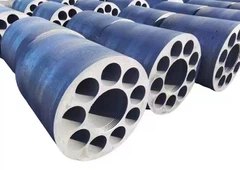
One of the main applications of Irregular Graphite Blocks in electrodes is in the field of powder metallurgy. Graphite electrode plates for powder metallurgy are widely used in this process. Powder metallurgy is all about making metal parts from metal powders. The process involves pressing the powder into a desired shape and then sintering it at high temperatures. During sintering, an electric current is passed through the powder to generate heat. Irregular Graphite Blocks can be used as electrodes in this process because they can withstand the high temperatures and the electrical currents involved.
The irregular shapes of these graphite blocks can actually be an advantage in powder metallurgy. They can be customized to fit the specific requirements of the sintering process. For example, if you have a complex-shaped mold, an irregular graphite block can be shaped to match it, ensuring a more efficient transfer of the electric current and heat. This can lead to better-quality metal parts with fewer defects.
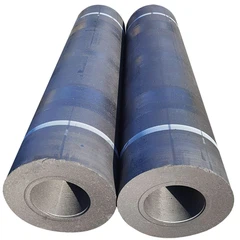
Another important application is in the glass melting industry. Graphite Electrode Blocks For Glass Melting are crucial for this process. Glass is melted at extremely high temperatures, and graphite electrodes are used to provide the heat through an electric arc. The high electrical conductivity of graphite allows for efficient generation of heat, and its resistance to high temperatures ensures that the electrodes don't melt or degrade during the process.
Irregular Graphite Blocks can be used in glass melting electrodes for a couple of reasons. Firstly, they can be used to create electrodes with specific geometries that are optimized for the glass melting furnace. Different furnaces have different shapes and sizes, and an irregular graphite block can be machined to fit perfectly, improving the overall efficiency of the melting process. Secondly, the irregular shapes can also help in distributing the electric current more evenly across the electrode, which can lead to a more uniform melting of the glass and better quality glass products.


In the electrochemical industry, Irregular Graphite Blocks also find their use as electrodes. Electrochemical processes involve the use of an electric current to drive chemical reactions. For example, in the production of aluminum, electrolysis is used to extract aluminum from its ore. Graphite electrodes are used in this process to conduct the electric current and facilitate the chemical reactions. The irregular graphite blocks can be tailored to the specific needs of the electrochemical cell, ensuring a more efficient transfer of the electric current and a more effective chemical reaction.
They can also be used in batteries and fuel cells. In lithium-ion batteries, for instance, graphite is commonly used as the anode material. Irregular Graphite Blocks can be processed into the appropriate shape and size to be used as anodes. Their unique shapes can potentially increase the surface area available for the electrochemical reactions, which can improve the battery's performance, such as its charge and discharge rates and its overall capacity.
Now, let's talk about some of the benefits of using Irregular Graphite Blocks as electrodes. One of the biggest benefits is cost-effectiveness. Since these blocks are irregular, they can often be sourced at a lower cost compared to regular-shaped graphite blocks. This can result in significant savings for manufacturers, especially when large quantities of electrodes are needed.
Another benefit is the flexibility they offer. As I mentioned earlier, they can be customized to fit specific applications. This means that manufacturers can get electrodes that are perfectly suited to their processes, which can lead to improved efficiency and product quality.
When it comes to machining, Irregular Graphite Blocks are relatively easy to work with. Graphite is a soft material, so it can be cut, drilled, and shaped using common machining tools. This allows for quick and easy production of electrodes with the desired shapes and sizes.
If you're in the market for Irregular Graphite Blocks for your electrode applications, I'd love to hear from you. Whether you're in the powder metallurgy, glass melting, electrochemical, or battery industries, we can provide you with high-quality irregular graphite blocks that are tailored to your specific needs. Just reach out, and we can start a conversation about how we can help you improve your processes and save on costs.
In conclusion, Irregular Graphite Blocks have a wide range of applications in electrodes across various industries. Their unique properties, such as high electrical conductivity, heat resistance, and customizability, make them an excellent choice for many electrode applications. And with their cost-effectiveness and ease of machining, they offer a great solution for manufacturers looking to optimize their processes. So, don't hesitate to get in touch if you're interested in using these amazing graphite blocks for your electrode needs.
References
- "Graphite: Properties, Applications, and Production" - A comprehensive book on graphite that covers its various applications in different industries.
- Research papers on powder metallurgy, glass melting, and electrochemical processes that discuss the use of graphite electrodes.
Send Inquiry