

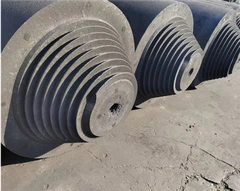
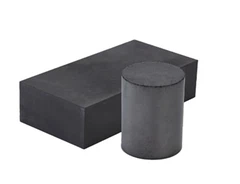

What Are The Advantages Of Graphite Electrodes?
Jun 13, 2025
Leave a message
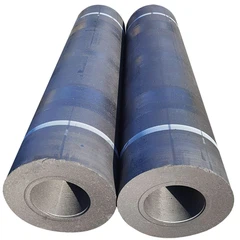
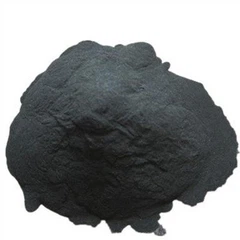
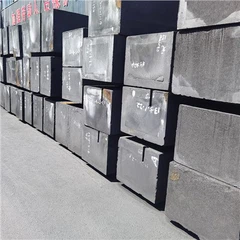
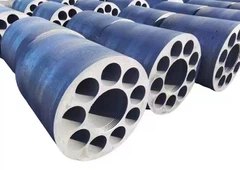
Graphite electrodes are highly valued in various industries due to their unique properties and versatility. They are particularly advantageous in high-temperature applications, such as steel production, where they are used as a conductive material in electric arc furnaces. Their thermal stability, electrical conductivity, and resistance to chemical reactivity make them indispensable in processes such as smelting, degassing, and metal melting. In addition, graphite electrodes are lightweight, durable, and cost-effective compared to alternatives, making them a top choice in industries such as automotive, electronics, and even recreational activities.
High Thermal Stability and Electrical Conductivity:
Graphite electrodes can withstand extreme temperatures up to 5000°F without losing their structural integrity. This makes them ideal for high-temperature applications such as electric arc furnaces in steel production.
Their excellent electrical conductivity ensures efficient energy transfer, reducing energy consumption and increasing process efficiency.
Chemical Resistance:
Graphite has a strong resistance to chemical reactivity, even in corrosive environments. This property makes it suitable for processes such as degassing, fluxing, and injection, where there is frequent contact with reactive substances.
Lightweight and Durable:
Compared to other materials, graphite electrodes are lightweight, simplifying handling and installation. Their durability ensures a longer service life, reducing the need for frequent replacement and lowering operating costs.
Cost-effectiveness:
Graphite electrodes are more economical than alternatives such as copper or other conductive materials. Their cost-effectiveness combined with performance makes them a top choice in industries such as steelmaking and metal smelting.
Versatility across industries:
Graphite electrodes have a wide range of uses, including:
Steel production: As conductive elements in electric arc furnaces.
Metal smelting: For melting non-ferrous metals and alloys.
Electronics: Producing lithium-ion batteries and other high-tech components.
Leisure activities: For products such as fishing rods, kite frames and kayak handles.
Applications in specialized processes:
Graphite electrodes are essential in the following processes:
Degassing: Used in shafts and impellers to remove gases from molten metal.
Flux: Improves the purity of metals during smelting processes.
Injection tubes: Used for precise material delivery in high-temperature environments.
Environmental and energy efficiency:
The use of graphite electrodes helps improve energy efficiency in industrial processes, reduce carbon emissions and support sustainable manufacturing practices.
In summary, graphite electrodes combine thermal stability, chemical resistance, durability and cost-effectiveness, making them indispensable in high temperature and high performance applications across multiple industries. Their versatility and efficiency ensure that they remain a key component in modern manufacturing and industrial processes.
Send Inquiry