


Copper Motors vs. Graphite Electrodes: A Comparative Analysis
Aug 17, 2025
Leave a message
Whether in batteries, steelmaking, or electroplating, material choice significantly impacts electrode performance and efficiency.
Despite their many differences, copper and graphite dominate the electrode market thanks to their impeccable electrical conductivity.
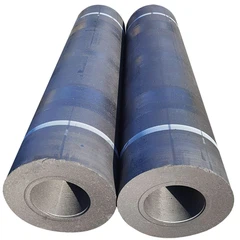
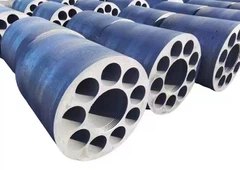
While serving a common purpose, these two materials differ significantly, as outlined below. What is a copper electrode? Copper electrodes essentially bridge the flow of electricity, or electrical energy, into and out of electrolyte solutions in batteries and circuits. Copper and its alloys thrive in electrode manufacturing due to their impeccable conductivity, ductility, and corrosion resistance. What is a graphite electrode? Graphite electrodes are conductive bridges composed primarily of carbon, tasked with transmitting electricity through devices or electrolyte solutions. Due to their complex atomic structure, these rods exhibit exceptional electrical transmission properties. Graphite electrodes thrive in electric arc furnaces because they also exhibit high thermal resistance. Comparison of Copper and Graphite Electrodes
Whether you're working in battery manufacturing, nuclear reactors, or steelmaking, your ideal electrode material of choice is likely copper or graphite. These two heavyweight electrode champions offer distinct advantages and are suited for different electrical applications. Below is a detailed analysis of their key characteristics.
Material Composition
Pure copper is the primary component of copper electrodes, and its purity determines their conductivity. However, some electrode applications require different properties from pure copper, leading to its use in combination with alloying elements such as zinc and nickel.
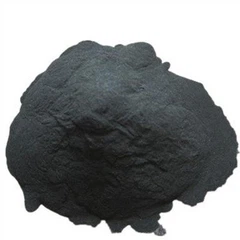
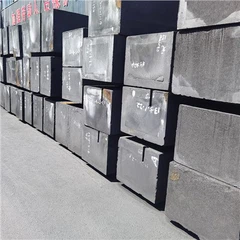
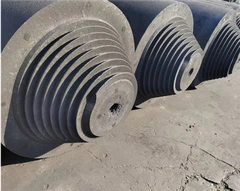
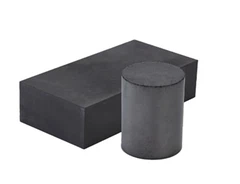
In contrast, graphite electrodes are composed of carbon and are essentially non-metallic electrodes. The carbon atoms in their composition are typically arranged in hexagonal rings, which gives graphite its extremely high conductivity. However, these graphite electrodes often contain impurities, binders, and fillers, the concentration of which can ultimately affect their effectiveness.
Conductivity
For decades, graphite and copper have been the mainstays of electrode technology, primarily due to their excellent electrical conductivity. However, when you delve deeper into the details, you'll discover that these two remarkable materials exhibit varying degrees of conductivity.
For comparison, graphite has a conductivity of approximately 3 × 10⁴ – 1 × 10⁵ S/m, while copper has a conductivity of approximately 5.96 × 10⁷ S/m. Despite differences in morphology, purity, and composition, graphite electrodes have poor electrical conductivity. Copper, on the other hand, is considered the runner-up in terms of electrical conductivity.
· Thermal Conductivity
In terms of heat transfer, or a material's ability to conduct thermal energy, copper outperforms graphite. However, this does not mean that graphite is a poor conductor of heat. Graphite electrodes have a thermal conductivity ranging from 60 to 130 W/m·K, which is sufficient for most applications.
On the other hand, copper electrodes have a thermal conductivity ranging from 385 W/m·K, approximately three times that of graphite electrodes. When considering the thermal stability of these materials, keep in mind that copper's superior thermal conductivity may result in faster heating, thus shortening the electrode's lifespan. Strength and Durability
While graphite electrodes are generally harder than copper electrodes, they have lower tensile strength, meaning they are more susceptible to fracture under pressure. Furthermore, copper's excellent ductility means it can be seamlessly formed without risk of fracture.
In contrast, graphite electrodes are relatively brittle and more prone to fracture under pressure. However, graphite electrodes have excellent compressive strength and are more durable than copper electrodes.
· Thermal Resistance
Thermal resistance reflects how well an electrode resists the transfer of heat. This property is crucial for electrodes because it determines how well they dissipate heat. Copper's high thermal conductivity means significantly lower thermal resistance, which means copper electrodes heat up more easily.
On the other hand, graphite's thermal conductivity is lower than copper's, but still high. Graphite electrodes are less susceptible to heat than copper electrodes.
· Density and Weight
Weighing a copper electrode and comparing its weight to a graphite electrode should give you a rough idea of the difference in density. Graphite is naturally lighter and has a lower density, meaning its electrodes are approximately five times lighter than copper electrodes.
Specifically, the density of graphite used in typical electrodes is 1.6 to 1.9 g/cm³, which is significantly lower than that of copper. This gives copper electrodes their unique lightweight properties, making them suitable for use in challenging applications such as the aerospace industry. In contrast, the copper used to produce electrodes has a density of approximately 8.96 g/cm³, making them significantly heavier than graphite electrodes.
· Machinability
Making copper into unique electrodes with unique shapes is relatively easy compared to machining graphite. Although graphite is a nonmetal, its layered structure makes machining quite difficult, especially if you lack the necessary expertise and tools. Graphite's abrasiveness can prematurely corrode your tools, but with the right tools, machining graphite to produce electrodes is quite easy.
Although copper is a metal, it is inherently soft. This means it machines very smoothly, resulting in high-quality electrodes with an excellent surface finish. Unlike graphite, which can easily chip and deform during machining, copper is more suitable for different machining operations.
· Sustainability
Sustainability is a factor that cannot be ignored when selecting the ideal electrode material. Both copper and graphite pose significant sustainability challenges, especially in sourcing. Mining them leads to habitat destruction. However, synthetic graphite can be produced, eliminating the risk of habitat destruction.
However, this does come with the risk of greenhouse gas emissions. By adopting responsible and environmentally friendly mining practices when sourcing copper and graphite, you can eliminate the risk of environmental degradation.
Send Inquiry