

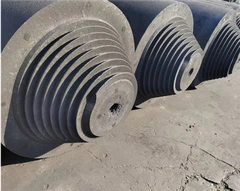

Uses and properties of graphite electrode
Jun 27, 2025
Leave a message
(1) Used in electric arc steelmaking furnaces
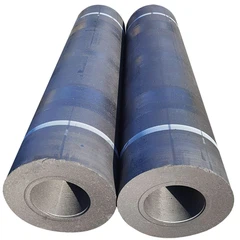
Graphite electrode materials can be mainly used for electric furnace steelmaking. Electric furnace steelmaking is to use graphite electrodes to introduce working current into the furnace. The strong current at the lower end of the electrode can affect the arc discharge through the gas environment, and use the heat generated by the arc to smelt. The size of the electric capacity is equipped with graphite electrodes with different diameters, which can be used continuously, and the connection between the electrodes is against the electrode joint. Graphite used as an electrode material for steelmaking accounts for about 70-80% of the total amount of graphite electrodes in China.
(2) Used in ore-fired electric furnaces
It is mainly used to produce iron furnace ferroalloys, pure silicon, yellow phosphorus, calcium carbide and matte. Its characteristic is that the lower part of the conductive electrode is buried in the charge. Therefore, in addition to the heat generated by the arc between the electric plate and the charge, the resistance of the charge also generates heat when the current passes through the charge.
(3) Used in resistance furnaces
The graphitization furnaces used for graphite material products in the production process, the melting furnaces and production of melting technology glass, and the electric furnaces used for silicon carbide are all resistance furnaces. The material management in the furnace is both a heating resistor and a heated object.
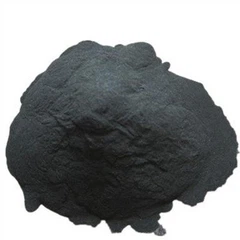
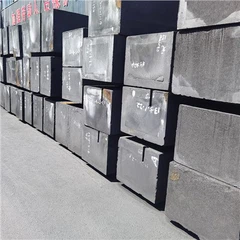
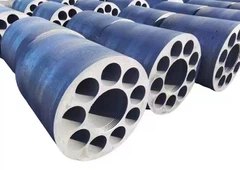
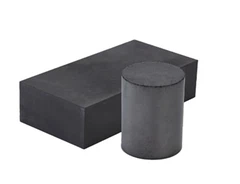
(4) A large number of graphite electrode blanks are also used to process into various crucibles, graphite boats, hot pressing molds, vacuum furnace heating elements and other special-shaped products.
It should also be noted that among the three graphite materials in the high-temperature composite materials including graphite electrodes, graphite molds and graphite crucibles, at high temperatures, graphite is easy to oxidize and burn, thereby loosening the carbon layer on the surface of the plastic material, increasing the porosity of the structure.
Send Inquiry