


Application and Performance Analysis of Graphite Electrode
Nov 01, 2024
Leave a message
1, Introduce the concept and performance indicators of graphite electrodes
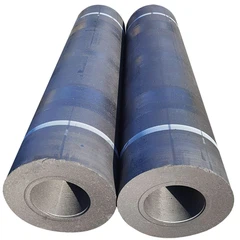
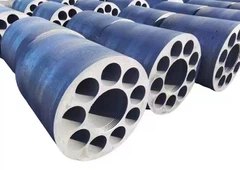
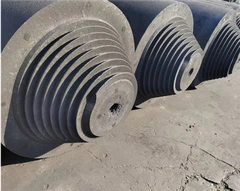
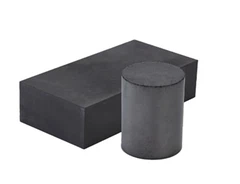
Graphite electrode is a commonly used electrode material, which is widely used in fields such as chemistry, metallurgy, and mechanical processing due to its good conductivity and chemical stability. The performance indicators of graphite electrodes include density, conductivity, thermal expansion coefficient, strength, etc.
2, Application fields of graphite electrodes
The main application areas of graphite electrodes include steel metallurgy, copper smelting, aluminum smelting, and synthetic ammonia in the chemical industry. In the process of steel metallurgy, graphite electrodes are mainly used in the electrodes and electrode sleeves of electric arc furnaces, which can effectively improve the furnace temperature and the working efficiency of the furnace. In the production of synthetic ammonia, graphite electrodes are used in electrolytes and cathodes to enhance electrochemical reactions and improve product quality.
3, The question of whether graphite can be used as an electrode
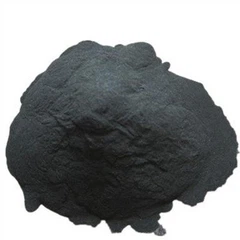
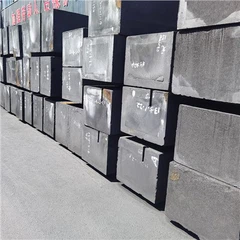
Graphite electrodes are a commonly used electrode material due to their excellent conductivity and chemical stability. There are two different structures of graphite materials, one is natural graphite and the other is artificial graphite. Natural graphite is a naturally occurring graphite mineral that typically exists in crystalline form. The aromatic ring structure and carbon carbon bonds in the crystalline form are the basis for its conductive properties. Artificial graphite is an artificial product composed of graphite particles and binders, and its conductivity depends on the size of the graphite particles and the type of binder.
In summary, graphite can be used as an electrode material, natural graphite can be used as an electrode and electrode sleeve in electric arc furnaces, and can be used as an electrolyte and cathode in the production of synthetic ammonia; Artificial graphite, on the other hand, is commonly used in fields such as low-temperature electrodes, electrochemical sensors, and waveguides due to its poor conductivity.
4, Advantages and disadvantages of graphite electrodes
Graphite electrodes have advantages such as good conductivity, high chemical stability, and excellent mechanical properties compared to other electrode materials. However, graphite electrodes have poor corrosion resistance and are prone to problems such as breakage during processing. In addition, the cost of graphite electrodes is relatively high, and due to the easy carbonization of graphite, problems such as damage are prone to occur during use.
5, Application prospect analysis
Graphite electrodes are widely used in fields such as steel metallurgy and chemical engineering. With the continuous development and progress of industrial technology, the application prospects of graphite electrodes are relatively broad. At the same time, in order to solve the problems of high cost and easy carbonization of graphite electrodes, researchers are constantly developing new graphite electrode materials to improve electrode performance and reduce usage costs.
【 Conclusion 】
Graphite electrode is a commonly used electrode material with excellent conductivity and chemical stability, and has been widely used in fields such as steel metallurgy and chemical engineering. Although there are some issues such as poor corrosion resistance and high cost, the application prospects of graphite electrodes are still very broad.
Send Inquiry