

Introduction and Application of Graphite Electrode
Nov 01, 2024
Leave a message
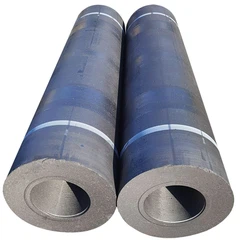
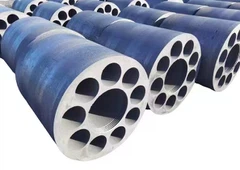
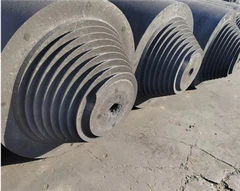
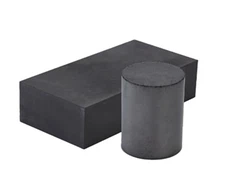
Graphite electrode is an electrode made of high-purity graphite material, widely used in electrochemical processes in metallurgy, chemical industry, power, semiconductor and other fields. Its main function is to act as a conductor for electron transfer in electrochemical reactions, while also being able to withstand extreme environments such as high temperature and high pressure. In the metallurgical industry, graphite electrodes are mainly used in electric arc furnaces and refining furnaces. In an electric arc furnace, graphite electrodes generate high temperatures through arc discharge, melting scrap steel and other waste materials into molten steel, which is then refined, cast, and other processes. In the refining furnace, graphite electrodes refine molten steel through high temperature, high pressure and other conditions to achieve higher purity and quality standards.
In addition to the metallurgical industry, graphite electrodes are also widely used in the chemical and semiconductor industries. In the chemical industry, graphite electrodes are used to produce chemicals such as chlor alkali and sulfuric acid; In the semiconductor industry, graphite electrodes are used to produce materials such as silicon single crystals.
Overall, graphite electrodes have a wide range of applications and play a very important role. With the continuous advancement of technology, the performance and quality of graphite electrodes are also constantly improving, providing more reliable support for electrochemical processes in various fields. Production process and technological development of graphite electrodes
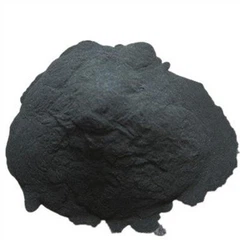
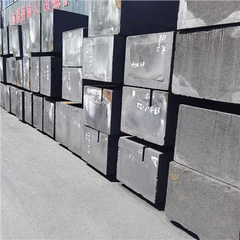
The production process of graphite electrodes mainly includes the preparation of graphite materials, the forming and processing of electrodes, and other steps. Among them, the preparation of graphite material is one of the key steps in the production of graphite electrodes. At present, graphite materials are mainly prepared by two methods: graphite chemical vapor deposition and graphite chemical precipitation.
With the continuous advancement of technology, the production technology of graphite electrodes is also constantly developing. In recent years, people have begun to adopt new materials and technologies to manufacture graphite electrodes in order to improve their performance and service life. For example, using high-purity graphite materials and precision machining processes can significantly improve the stability and service life of electrodes; The use of new coating materials and anti-corrosion treatment technology can effectively extend the service life of electrodes and reduce maintenance costs.
In addition, the production technology of graphite electrodes also faces some challenges and opportunities. On the one hand, with the increasingly serious issues of environmental protection and energy consumption, the production of graphite electrodes needs to pay more attention to sustainability and environmental protection. On the other hand, the rapid development of emerging fields and technologies has also brought more opportunities and challenges to the production of graphite electrodes. For example, the development of new batteries, new energy vehicles, and other fields requires higher performance graphite electrodes to support their electrochemical reactions.
Therefore, the production technology of graphite electrodes needs continuous innovation and development to meet the needs of different fields and applications, promote industrial upgrading and sustainable development. Quality control and maintenance of graphite electrodes
During the use of graphite electrodes, regular quality control and maintenance are required to ensure their performance and service life. Common quality control and maintenance measures for graphite electrodes include the following aspects:
1. Test the physical and chemical properties of graphite electrodes, including density, conductivity, strength, and other indicators, to ensure that they meet the specified standards and requirements.
2. Adopt appropriate coating and anti-corrosion treatment techniques to extend the service life of electrodes and reduce maintenance costs.
3. Regularly clean and repair the electrode surface to eliminate oxidation and wear issues, and maintain its smoothness and conductivity.
4. Monitor and control environmental parameters such as temperature and pressure to ensure that graphite electrodes are not subjected to excessive thermal and mechanical stresses during use.
In summary, quality control and maintenance of graphite electrodes are crucial for ensuring their performance and service life. With the continuous advancement and development of technology, people will constantly innovate and optimize the quality control and maintenance technology of graphite electrodes, providing more reliable support for electrochemical processes in various fields.
Send Inquiry