

What is the role of graphite electrodes in electric arc furnaces?
Jun 13, 2025
Leave a message
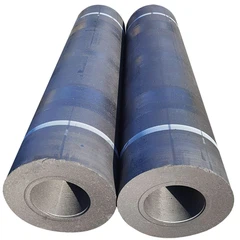
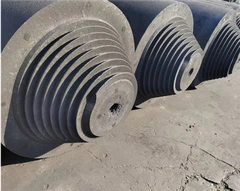
Graphite electrodes play a pivotal and multifaceted role in electric arc furnaces (EAFs), which are essential in modern steelmaking and other metal - melting processes. As a graphite electrode supplier, I have witnessed firsthand the critical nature of these components and the significant impact they have on the efficiency, quality, and cost - effectiveness of operations in the metal - melting industry.
The Basics of Electric Arc Furnaces
Electric arc furnaces are designed to melt scrap metal and other raw materials to produce high - quality steel and other metals. The principle behind an EAF is based on the generation of an electric arc between the graphite electrodes and the metal charge in the furnace. This arc creates intense heat, which can reach temperatures high enough to melt the metal. The heat generated by the electric arc is the primary energy source for the melting process in an EAF.
The Role of Graphite Electrodes in Heat Generation
One of the most fundamental roles of graphite electrodes in EAFs is heat generation. When an electric current passes through the graphite electrodes, an electric arc is formed between the electrode tip and the metal in the furnace. The energy released in the form of an arc is converted into heat, which is used to melt the scrap metal or other raw materials. Graphite is an excellent conductor of electricity and has a high melting point, making it an ideal material for this purpose.
The high thermal conductivity of graphite allows the heat to be efficiently transferred from the electrode to the metal charge. This ensures that the melting process is carried out quickly and uniformly. The ability of graphite electrodes to withstand the extreme temperatures generated in the electric arc is crucial. The temperature at the tip of the electrode during the arcing process can exceed 3000°C, and graphite's high - temperature stability ensures that the electrode does not melt or degrade under these harsh conditions.
Chemical and Physical Properties of Graphite Electrodes
Graphite electrodes possess several chemical and physical properties that make them suitable for use in EAFs. Chemically, graphite is a form of carbon, which is relatively inert under the conditions present in an EAF. This means that it does not react readily with the metal being melted or the furnace atmosphere, minimizing contamination of the final product.
Physically, graphite has a low coefficient of thermal expansion. This property is important because it allows the electrode to withstand rapid temperature changes without cracking or breaking. During the melting process, the electrode is exposed to high - temperature gradients, and its low thermal expansion coefficient helps to maintain its structural integrity. Additionally, graphite electrodes have a high mechanical strength, which enables them to support their own weight and withstand the mechanical stresses associated with the arcing process and the movement of the electrode within the furnace.
Controlling the Melting Process
Graphite electrodes also play a crucial role in controlling the melting process in an EAF. The amount of heat generated in the furnace can be controlled by adjusting the current flowing through the electrodes. By varying the current, operators can regulate the intensity of the electric arc and, consequently, the rate of melting. This level of control is essential for ensuring that the metal is melted at the right rate and that the final product meets the desired quality standards.
In addition to controlling the heat, graphite electrodes can also be used to introduce additives or fluxes into the furnace. These substances can help to remove impurities from the metal, improve its chemical composition, and enhance its physical properties. The electrodes can be designed with special features or coatings to facilitate the introduction of these additives in a controlled manner.
Types of Graphite Electrodes and Their Applications
There are different types of graphite electrodes available, each with its own specific characteristics and applications. Ultra - high - power (UHP) graphite electrodes are designed for use in large - scale EAFs that require high - intensity arcing. These electrodes can handle high currents and are capable of generating a large amount of heat, making them suitable for melting large quantities of scrap metal quickly.
High - power (HP) graphite electrodes are used in medium - sized EAFs. They offer a good balance between cost and performance and are widely used in the steelmaking industry. Regular - power (RP) graphite electrodes are typically used in smaller EAFs or for applications where lower power requirements are sufficient.
For melting scrap metal, Graphite Electrodes For Melting Scrap Metal are specifically designed to handle the unique challenges associated with this process. Scrap metal often contains a variety of impurities, and these electrodes are engineered to ensure efficient melting and impurity removal.
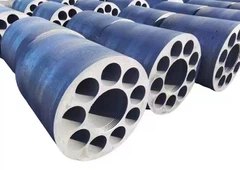
Graphite Electrode Joint Pins are an important component of graphite electrodes. These pins are used to connect multiple electrode sections together, allowing for the continuous operation of the EAF. The joint pins need to have high strength and good electrical conductivity to ensure a reliable connection between the electrode sections.


When it comes to high - quality steel making, Graphite Electrode For High - quality Steel Making are designed to meet the strict requirements of this process. These electrodes are manufactured to have a high degree of purity and uniformity, which is essential for producing steel with consistent and superior properties.
Impact on Energy Efficiency
The use of high - quality graphite electrodes can significantly improve the energy efficiency of an EAF. As mentioned earlier, the efficient heat transfer and high - temperature stability of graphite electrodes allow for a more rapid and uniform melting process. This reduces the overall energy consumption of the furnace.
In addition, the ability to control the heat generation accurately using graphite electrodes helps to optimize the energy usage. By adjusting the current and the position of the electrodes, operators can ensure that the energy is used effectively to melt the metal, minimizing waste and reducing the energy costs associated with the melting process.
Maintenance and Replacement of Graphite Electrodes
Proper maintenance and timely replacement of graphite electrodes are essential for the efficient operation of an EAF. Over time, the electrodes will wear down due to the high - temperature arcing process and the mechanical stresses they are subjected to. Regular inspection of the electrodes is necessary to detect signs of wear, such as cracks, erosion, or excessive oxidation.
When an electrode reaches the end of its useful life, it must be replaced. The replacement process should be carried out carefully to ensure that the new electrode is properly installed and aligned. This will help to maintain the stability of the electric arc and prevent any disruptions to the melting process.
Conclusion
In conclusion, graphite electrodes are an indispensable component of electric arc furnaces. Their role in heat generation, controlling the melting process, and ensuring the quality of the final product cannot be overstated. As a graphite electrode supplier, I understand the importance of providing high - quality electrodes that meet the specific needs of our customers.
If you are involved in the metal - melting industry and are looking for reliable graphite electrodes, I encourage you to reach out to discuss your requirements. Our team of experts can provide you with detailed information about our products and help you select the most suitable graphite electrodes for your EAF. Whether you are melting scrap metal, producing high - quality steel, or engaging in other metal - melting processes, we have the solutions to meet your needs.
References
- Yurkov, V. I., & Yushin, G. (2014). Carbon Materials for Electrochemical Energy Storage and Conversion Systems. CRC Press.
- Reed, B. D. (2008). Electric Arc Furnace Steelmaking. ASM International.
- Marsh, H., & Heintz, E. A. (1999). Introduction to Carbon Technology. Elsevier.
Send Inquiry