

What are the packaging methods for superfine graphite powder?
Jun 13, 2025
Leave a message
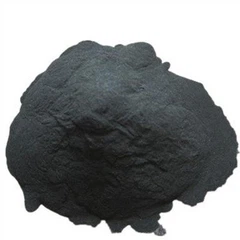
Hey there! As a supplier of superfine graphite powder, I often get asked about the best packaging methods for this unique product. Superfine graphite powder is a high - tech material with a wide range of applications, from batteries to lubricants, and proper packaging is crucial to maintain its quality during storage and transportation. In this blog, I'll share some of the common packaging methods we use and why they matter.
Why Proper Packaging is a Big Deal
Before we dive into the packaging methods, let's talk about why it's so important. Superfine graphite powder is extremely fine, and its particles can easily become airborne. If it's not packaged correctly, it can cause environmental pollution and health risks to people handling it. Plus, exposure to moisture, air, and other contaminants can change its physical and chemical properties, reducing its performance in end - use applications.
1. Plastic Bags
Plastic bags are one of the most basic and cost - effective ways to package superfine graphite powder. We usually use high - density polyethylene (HDPE) or low - density polyethylene (LDPE) bags. These bags are flexible, lightweight, and can be easily sealed.
For smaller quantities, we might use small plastic ziplock bags. They're great for samples or when customers only need a little bit of the powder. The ziplock feature makes it easy to open and close the bag multiple times without losing too much powder.
For larger amounts, we opt for big plastic bags with heat - sealed closures. Heat - sealing creates a tight barrier that prevents the powder from leaking out. However, plastic bags alone aren't the best at protecting the powder from moisture. So, we often add desiccant packets inside the bags to absorb any moisture that might get in.
2. Aluminum Foil Bags
Aluminum foil bags are another popular choice. They offer better protection against moisture, oxygen, and light compared to plastic bags. The foil acts as a barrier, keeping out external elements that could degrade the graphite powder.
These bags are often used for products that need long - term storage or for high - value superfine graphite powder. They come in different sizes, and we can customize the printing on the bags with our company logo, product information, and handling instructions.
One drawback of aluminum foil bags is that they're a bit more expensive than plastic bags. But when it comes to protecting the quality of our Natural Flake Graphite Powder, it's worth the investment.
3. Steel Drums
For bulk quantities of superfine graphite powder, steel drums are the go - to option. Steel drums are strong, durable, and can withstand rough handling during transportation.
We line the inside of the steel drums with plastic liners to prevent the powder from coming into direct contact with the metal. This helps to avoid any potential chemical reactions between the graphite powder and the steel.
The drums have tight - fitting lids that can be sealed with gaskets. This ensures that the powder stays inside the drum and doesn't spill out. Steel drums are also stackable, which makes them easy to store in warehouses.


4. Vacuum Packaging
Vacuum packaging is a more advanced method that we use for certain types of superfine graphite powder, especially UHP Graphite Powder. In this process, we place the powder in a special bag or container and then remove the air from it using a vacuum pump.
By creating a vacuum, we reduce the oxygen and moisture levels around the powder. This helps to prevent oxidation and degradation of the powder. Vacuum - packed products can have a much longer shelf life compared to those packaged in normal conditions.
However, vacuum packaging requires specialized equipment, and it's a bit more time - consuming. But for high - quality products where maintaining the purity of the powder is critical, it's definitely worth the extra effort.
5. Composite Packaging
Composite packaging combines different materials to get the best of both worlds. For example, we might use a plastic bag inside a steel drum. The plastic bag provides a barrier against moisture and contaminants, while the steel drum offers physical protection and strength.
Another type of composite packaging is using an aluminum foil bag inside a cardboard box. The foil bag protects the powder from environmental factors, and the cardboard box provides additional protection during handling and shipping.
Considerations for Packaging Design
When choosing a packaging method, we also need to consider the design. The packaging should be easy to handle, open, and close. It should also have clear labeling with information like the product name, grade, quantity, and safety instructions.
We also try to make our packaging as eco - friendly as possible. For example, we use recyclable materials whenever we can. This not only helps the environment but also shows our commitment to sustainable business practices.
Conclusion
In conclusion, there are several packaging methods available for superfine graphite powder, each with its own advantages and disadvantages. The choice of packaging depends on factors like the quantity of the powder, the intended storage and transportation conditions, and the quality requirements of the product.
Whether you're looking for Natural Flake Graphite Powder, UHP Graphite Powder, or Graphite Oxide Powder, we've got the right packaging to keep it in top - notch condition.
If you're interested in purchasing superfine graphite powder, don't hesitate to get in touch. We're always happy to discuss your specific needs and find the best packaging solution for you. Let's start a conversation and see how we can work together to meet your requirements.
References
- Smith, J. (2020). Packaging Solutions for Fine Powders. Journal of Packaging Science, 15(2), 45 - 52.
- Johnson, A. (2021). Protecting High - Value Powders during Storage and Transport. Powder Technology Review, 22(3), 78 - 85.
- Brown, L. (2019). The Role of Packaging in Maintaining Powder Purity. Industrial Packaging Journal, 18(4), 67 - 73.
Send Inquiry