

What quality control measures are in place for graphite block production?
Jun 12, 2025
Leave a message
In the dynamic landscape of industrial materials, graphite blocks stand out as a cornerstone for numerous applications. As a trusted graphite block supplier, I understand the critical role that quality control plays in ensuring the reliability and performance of these essential components. In this blog, I will delve into the comprehensive quality control measures that are in place throughout the graphite block production process.
Raw Material Inspection
The journey of a high - quality graphite block begins with the selection and inspection of raw materials. Graphite is derived from various sources, and the purity and characteristics of the raw graphite significantly impact the final product. We source our raw materials from reputable suppliers who adhere to strict quality standards.
Upon arrival at our facility, each batch of raw graphite undergoes a series of tests. Chemical analysis is performed to determine the exact composition of the graphite, including the presence of impurities such as sulfur, iron, and other trace elements. Impurities can have a detrimental effect on the electrical conductivity, thermal stability, and mechanical strength of the graphite block. For instance, sulfur can cause corrosion in high - temperature applications, while iron can affect the magnetic properties of the graphite.
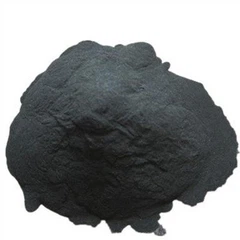
Physical property tests are also conducted on the raw materials. These include measurements of particle size, density, and hardness. The particle size distribution of the graphite powder is crucial as it affects the packing density and porosity of the final block. A uniform particle size distribution ensures consistent properties throughout the block. Density is another important parameter, as it is related to the strength and thermal conductivity of the graphite. Hardness tests help us ensure that the raw graphite has the appropriate mechanical properties for further processing.
Forming and Shaping
Once the raw materials pass the inspection, they are ready for the forming and shaping process. There are several methods for forming graphite blocks, such as isostatic pressing, extrusion, and molding. Each method has its own set of quality control requirements.
During isostatic pressing, the graphite powder is placed in a flexible mold and subjected to uniform pressure from all directions. To ensure the quality of the pressed block, we closely monitor the pressure, temperature, and holding time. Any deviation from the specified parameters can lead to uneven density, cracks, or other defects in the block. Real - time sensors are used to measure the pressure and temperature inside the pressing chamber, and the data is recorded for quality assurance purposes.


In the extrusion process, the graphite mixture is forced through a die to form a continuous shape. Quality control in extrusion focuses on the die design, extrusion speed, and the viscosity of the graphite mixture. The die must be precisely machined to ensure the correct dimensions and surface finish of the extruded block. The extrusion speed affects the density and orientation of the graphite particles. A consistent extrusion speed is maintained to avoid variations in the block's properties. The viscosity of the graphite mixture is adjusted to ensure smooth flow through the die without causing any blockages or irregularities.
Molding involves pouring the graphite slurry into a mold and allowing it to solidify. The quality of the mold, the curing time, and the chemical composition of the slurry are critical factors. The mold must be made of high - quality materials and have the correct dimensions and surface finish. The curing time is carefully controlled to ensure that the block reaches its full strength and hardness. Chemical analysis of the slurry is performed regularly to ensure that the composition remains within the specified range.
Heat Treatment
After forming and shaping, the graphite blocks undergo heat treatment to improve their mechanical, electrical, and thermal properties. Heat treatment typically involves heating the blocks to high temperatures in a controlled atmosphere.
The heating rate, maximum temperature, and cooling rate are the key parameters in heat treatment. A slow and controlled heating rate is used to prevent thermal shock and cracking in the blocks. The maximum temperature is carefully selected based on the type of graphite and the desired properties of the final block. For example, graphitization, which is a common heat treatment process for graphite, requires temperatures in the range of 2500 - 3000°C.
The cooling rate is also crucial as it affects the microstructure and properties of the graphite. A rapid cooling rate can result in internal stresses and cracks, while a slow cooling rate can lead to a coarser microstructure. We use advanced temperature control systems and monitoring devices to ensure that the heat treatment process is carried out precisely according to the specifications.
Machining and Finishing
Once the heat - treated graphite blocks have the desired properties, they may undergo machining and finishing operations to achieve the final dimensions and surface quality. Machining processes such as milling, turning, and grinding are used to cut, shape, and polish the blocks.
In machining, the quality control focuses on the cutting tools, machining parameters, and surface finish. The cutting tools must be sharp and made of high - quality materials to ensure accurate cutting and a good surface finish. The machining parameters, including the cutting speed, feed rate, and depth of cut, are carefully selected to avoid excessive material removal, tool wear, and surface damage.
Surface finish is an important quality characteristic of graphite blocks, especially for applications where a smooth surface is required. We use surface roughness measuring instruments to ensure that the surface finish of the blocks meets the customer's requirements. After machining, the blocks are cleaned and inspected for any remaining defects, such as burrs, scratches, or cracks.
Final Inspection and Testing
Before the graphite blocks are ready for shipment, they undergo a final inspection and testing process. This includes a visual inspection, dimensional measurement, and performance testing.
Visual inspection is carried out by trained operators using magnifying glasses and other inspection tools. They look for any visible defects, such as cracks, pores, or surface irregularities. Any blocks with visible defects are rejected or reworked.
Dimensional measurement is performed using precision measuring instruments, such as calipers, micrometers, and coordinate measuring machines (CMMs). The dimensions of the block must be within the specified tolerance limits. CMMs are particularly useful for measuring complex shapes and ensuring high - precision dimensions.
Performance testing is conducted to evaluate the electrical conductivity, thermal conductivity, mechanical strength, and other properties of the graphite block. Electrical conductivity is measured using a four - point probe method, which provides accurate and reliable results. Thermal conductivity is measured using a guarded hot plate or a transient plane source method. Mechanical strength tests, such as compression and bending tests, are performed to ensure that the blocks can withstand the intended loads in their applications.
Quality Assurance Documentation
Throughout the production process, detailed quality assurance documentation is maintained. This includes inspection reports, test results, process control data, and traceability information. The documentation provides a complete record of the production history of each block, from the raw materials to the final product.
Traceability is an important aspect of quality control. We use unique identification numbers for each block, which allows us to track its origin, production process, and test results. In case of any quality issues or customer complaints, we can quickly access the relevant information and take appropriate corrective actions.
Conclusion
As a graphite block supplier, we are committed to providing our customers with high - quality products. Our comprehensive quality control measures ensure that each graphite block meets the strictest standards of performance and reliability.
If you are in need of high - quality graphite blocks for your industrial applications, such as Graphite electrode plates for powder metallurgy or Graphite Electrode Plates For Resistance Furnaces, please feel free to contact us. We are always ready to discuss your specific requirements and provide you with the best solutions. You can explore our wide range of Graphite Block products and start a procurement negotiation with us.
References
- "Graphite and Carbon Handbook" by William A. Lazareth
- "Industrial Carbon and Graphite Technology" by Donald W. Reade
- "Quality Control in Advanced Materials Manufacturing" by John R. Wilson
Send Inquiry