

What is the maximum length of a High Power Graphite Electrode?
Oct 27, 2025
Leave a message
What is the maximum length of a High Power Graphite Electrode?
As a supplier of high power graphite electrodes, I often encounter inquiries about various aspects of these essential industrial components. One question that frequently arises is about the maximum length of a high power graphite electrode. In this blog post, I'll delve into this topic, exploring the factors that determine the maximum length and the implications for different industries.


Understanding High Power Graphite Electrodes
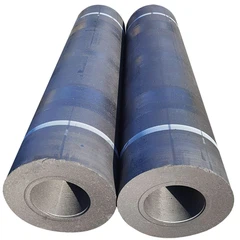
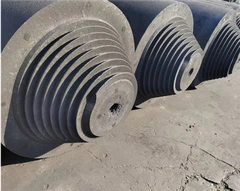
High power graphite electrodes are crucial in electric arc furnaces (EAFs) used in steelmaking and other high - temperature industrial processes. They conduct electricity to create an arc that generates the intense heat needed to melt scrap metal or other raw materials. These electrodes are made from high - quality graphite, which offers excellent electrical conductivity, high thermal resistance, and good mechanical strength.
Factors Affecting the Maximum Length
- Manufacturing Constraints
- The manufacturing process of high power graphite electrodes plays a significant role in determining their maximum length. The electrodes are typically produced through a series of steps including mixing, molding, baking, and graphitization. During the molding process, it becomes increasingly difficult to maintain the uniformity of the electrode as the length increases. For example, if the electrode is too long, it may be challenging to ensure that the graphite material is evenly distributed throughout the body of the electrode. This can lead to variations in density and electrical properties, which are unacceptable in high - power applications.
- Another manufacturing challenge is related to the graphitization process. Graphitization involves heating the baked electrode to extremely high temperatures (around 2800 - 3000°C) to transform the carbon into a graphite structure. In a long electrode, it can be difficult to achieve a consistent temperature profile throughout the entire length. Uneven graphitization can result in differences in the crystal structure of the graphite, affecting the electrode's performance.
- Transportation and Handling
- The length of a high power graphite electrode also needs to be considered in terms of transportation and handling. Longer electrodes are more difficult to transport due to their size and weight. They require special equipment and handling procedures to prevent damage during transit. For instance, a very long electrode may be more prone to bending or breaking if not properly supported during loading, unloading, and transportation.
- In addition, when it comes to on - site handling at the customer's facility, longer electrodes can pose challenges. They may require larger cranes or handling equipment, and there may be limitations in the workspace available for maneuvering these long electrodes.
- Application Requirements
- The specific application of the high power graphite electrode also influences its maximum length. In some electric arc furnaces, the physical dimensions of the furnace itself limit the length of the electrode that can be used. For example, if the furnace has a relatively small opening or a limited height, a very long electrode cannot be inserted.
- The electrical and thermal requirements of the process also play a role. In certain applications, a shorter electrode may be sufficient to achieve the desired power transfer and heat generation. Using an overly long electrode in such cases may not only be unnecessary but can also lead to inefficiencies in the process.
Typical Maximum Lengths
In general, the maximum length of a high power graphite electrode typically ranges from 2 to 3 meters. However, this can vary depending on the manufacturer's capabilities and the specific requirements of the customer. Some advanced manufacturing facilities may be able to produce electrodes up to 3.5 meters in length, but these are relatively rare and often require special manufacturing techniques and quality control measures.
Implications for Different Industries
- Steelmaking Industry
- In the steelmaking industry, the length of the high power graphite electrode can impact the efficiency of the electric arc furnace operation. A longer electrode may allow for a more continuous operation as it can be used for a longer period before needing to be replaced. However, as mentioned earlier, the furnace design and handling capabilities need to be considered. For example, in a large - scale steelmaking plant with a well - equipped furnace and handling facilities, a longer electrode may be more practical. But in smaller plants with limited space and equipment, shorter electrodes may be the preferred choice.
- Graphite Electrodes For Lithium - ion Battery Production
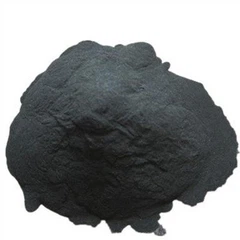
- In the production of lithium - ion batteries, graphite electrodes are used in some of the manufacturing processes. The requirements for electrode length in this industry are often different from those in steelmaking. Since the processes involved in lithium - ion battery production are generally more precise and may take place in smaller - scale equipment, shorter electrodes are usually sufficient. The focus in this industry is more on the purity and electrical properties of the graphite rather than the length.
- Graphite Electrodes For Tungsten Carbide Production
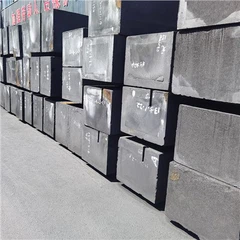
- Tungsten carbide production also relies on high power graphite electrodes. In this industry, the length of the electrode can affect the heat distribution in the furnace. A longer electrode may provide a more uniform heat source, which is beneficial for the synthesis of high - quality tungsten carbide. However, the furnace design and the overall production process need to be optimized to accommodate the electrode length.
- Low - resistance Graphite Electrodes For Powder Metallurgy
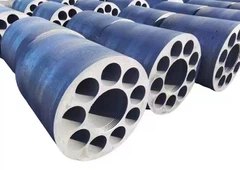
- In powder metallurgy, low - resistance graphite electrodes are used to provide the necessary heat for sintering metal powders. The length of the electrode can impact the sintering process. A longer electrode may allow for a larger volume of powder to be sintered at once, but again, the equipment and process parameters need to be adjusted accordingly.
Conclusion
The maximum length of a high power graphite electrode is determined by a combination of manufacturing constraints, transportation and handling requirements, and application - specific needs. While the typical maximum length ranges from 2 to 3 meters, there is some flexibility depending on the capabilities of the manufacturer and the customer's requirements.
If you are in need of high power graphite electrodes for your industrial processes, I encourage you to reach out to discuss your specific needs. We can work together to determine the most suitable electrode length and other specifications for your application. Whether you are in the steelmaking, lithium - ion battery production, tungsten carbide production, or powder metallurgy industry, we have the expertise and resources to provide you with high - quality graphite electrodes.
References
- "Graphite Electrodes: Properties, Manufacturing, and Applications" - A comprehensive industrial materials textbook.
- Industry reports on the steelmaking, battery production, and powder metallurgy sectors.
Send Inquiry