

What industries use graphite blocks?
Dec 29, 2025
Leave a message
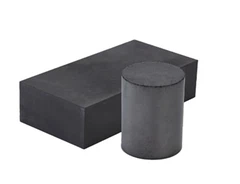
Graphite blocks, characterized by their high heat resistance, excellent electrical conductivity, and chemical stability, are versatile materials with a wide range of applications across various industries. As a leading supplier of top - quality graphite blocks, I am excited to share with you the industries that make extensive use of these remarkable products.


Metallurgical Industry
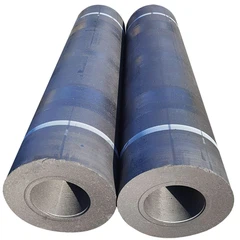
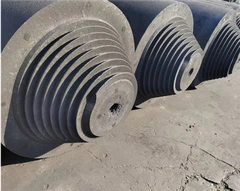
The metallurgical industry is one of the largest consumers of graphite blocks. In the process of steelmaking, graphite electrode blocks play a crucial role. Electric arc furnaces (EAFs) are widely used in modern steel production, and graphite electrodes are the key components that conduct electricity and generate high - temperature arcs to melt scrap steel. The high - temperature resistance of graphite blocks allows them to withstand the extreme heat conditions inside the furnaces, typically reaching temperatures above 3000°C.
Graphite electrodes are also used in ladle furnace refining, where they help in fine - tuning the chemical composition and temperature of the molten steel. The Graphite Electrode Blocks we supply are made from high - purity graphite, which ensures excellent electrical conductivity and long service life, reducing the overall production cost for steel manufacturers.
In addition to steelmaking, the non - ferrous metals industry also relies on graphite blocks. For example, in the smelting of aluminum, graphite anodes are used in the electrolysis cells. These anodes are subjected to a highly corrosive environment due to the presence of molten salts. The chemical stability of graphite makes it an ideal material for this application, as it can resist the corrosion and maintain its integrity during the electrolysis process.
Powder Metallurgy
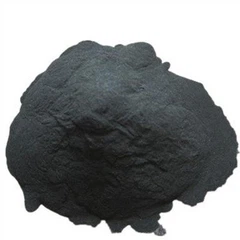
Powder metallurgy is a manufacturing process that involves the production of metal parts from metal powders. Graphite blocks are used in powder metallurgy in the form of Graphite electrode plates for powder metallurgy. These plates are used in electrical discharge machining (EDM) operations, where they are used to create complex shapes and details on metal parts.
During the EDM process, an electrical discharge is generated between the graphite electrode and the metal workpiece. The high - energy discharge melts and vaporizes the metal, allowing for precise material removal. Graphite's high electrical conductivity and relatively low cost make it an ideal material for EDM electrodes. Our graphite electrode plates for powder metallurgy are carefully fabricated to ensure a uniform density and high precision, which can improve the accuracy and efficiency of the EDM process.
Chemical Industry
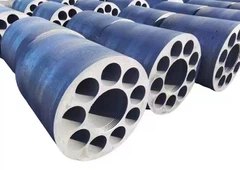
In the chemical industry, graphite blocks are used in various applications due to their excellent chemical stability. They are commonly used to construct corrosion - resistant equipment such as heat exchangers and reaction vessels. In chemical reactions that involve strong acids, alkalis, or corrosive gases, graphite blocks can provide a reliable and long - lasting solution.
Graphite heat exchangers, for example, are widely used in the chemical industry to transfer heat between different fluids. The high thermal conductivity of graphite allows for efficient heat transfer, while its chemical resistance ensures that the heat exchanger can operate in harsh chemical environments without being damaged. These heat exchangers are used in processes such as sulfuric acid production, where they play a vital role in optimizing the energy efficiency of the production process.
Semiconductor Industry
The semiconductor industry has strict requirements for materials due to the high - precision manufacturing processes involved. Graphite blocks are used in semiconductor production, particularly in the production of silicon wafers. Graphite crucibles are used to melt and purify silicon at high temperatures. The high - purity graphite used in these crucibles ensures that the silicon is not contaminated during the melting process, which is crucial for the production of high - quality semiconductor devices.
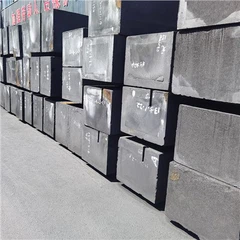
In addition, graphite blocks are used in the manufacturing of semiconductor processing equipment, such as heating elements and susceptors. These components need to have excellent thermal stability and electrical conductivity, properties that are well - suited to graphite. Graphite Block After Processing Electrode can be precisely machined to meet the specific requirements of the semiconductor industry, ensuring high - precision manufacturing processes.
Electrical and Electronics Industry
In the electrical and electronics industry, graphite blocks are used in various applications. They are used as brushes in electric motors. Graphite brushes are known for their good electrical conductivity, low friction coefficient, and self - lubricating properties. These properties make them ideal for transferring electrical current between stationary and rotating parts in motors, reducing wear and tear and improving the overall performance of the motor.
Graphite blocks are also used in battery technology. In lithium - ion batteries, graphite is the most commonly used anode material. The layered structure of graphite allows lithium ions to be intercalated and de - intercalated during the charging and discharging process, which is essential for the operation of the battery. As the demand for high - performance batteries increases, so does the demand for high - quality graphite blocks.
Abrasives and Refractory Industry
Graphite blocks are used in the abrasives industry in the production of grinding wheels and abrasive papers. Graphite can be added to the abrasive materials to improve their lubricity and cutting performance. It helps to reduce the friction between the abrasive and the workpiece, resulting in a smoother finish and longer tool life.
In the refractory industry, graphite blocks are used to produce refractory materials that can withstand high temperatures. These refractory materials are used in furnaces, kilns, and other high - temperature applications. The high - temperature stability and excellent thermal shock resistance of graphite make it an ideal additive to improve the performance of refractory materials.
Conclusion
As we have seen, graphite blocks have a wide range of applications across multiple industries, from metallurgy and powder metallurgy to the semiconductor and electrical industries. The unique properties of graphite, such as high heat resistance, excellent electrical conductivity, and chemical stability, make it an indispensable material in modern manufacturing.
If you are in need of high - quality graphite blocks for your industry, look no further. We are a reliable supplier of graphite blocks, offering a wide range of products tailored to meet the specific requirements of different industries. Our products are manufactured using the latest technology and high - quality raw materials, ensuring excellent performance and long service life.
Contact us today to discuss your requirements and to explore how our graphite blocks can help optimize your production processes. We are committed to providing you with the best products and services, and we look forward to partnering with you to achieve your business goals.
References
- "Handbook of Graphite, Carbon, Diamond and Fullerenes: Processing, Properties and Applications"
- "Principles of Powder Metallurgy"
- "Semiconductor Manufacturing Technology"
- "Industrial Electrical and Electronics Handbook"
- "Refractory Materials: Principles and Practice"
Send Inquiry