

What is the difference in electrical conductivity between artificial and natural graphite electrodes?
Jan 20, 2026
Leave a message
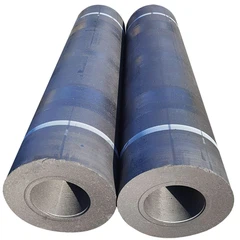
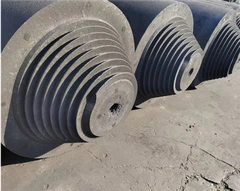
Graphite electrodes are crucial components in various industrial applications, especially in electric arc furnaces for steelmaking, as well as in other high - temperature processes. They are primarily divided into two types: artificial graphite electrodes and natural graphite electrodes. As a supplier of artificial graphite electrodes, I am often asked about the differences in electrical conductivity between these two types of electrodes. In this blog, I'll provide a detailed exploration of this topic.
Understanding the Basics of Electrical Conductivity
Electrical conductivity is a measure of a material's ability to conduct an electric current. It is the reciprocal of electrical resistivity and is typically measured in siemens per meter (S/m). In the context of graphite electrodes, high electrical conductivity is essential because it directly impacts the efficiency of energy transfer and power consumption in industrial processes. When an electrode has high conductivity, it minimizes the energy loss as heat during the transfer of electrical energy, thus saving energy and improving the overall performance of the furnace or other electrical equipment.
Manufacturing Processes of Artificial and Natural Graphite Electrodes
The differences in electrical conductivity between artificial and natural graphite electrodes start with their manufacturing processes.
Artificial Graphite Electrodes:
The production of artificial graphite electrodes involves several complex steps. First, calcined petroleum coke or pitch coke is used as the raw material. These cokes are crushed, milled, and then mixed with coal - tar pitch binder. The mixture is then shaped into the desired electrode form through processes like extrusion or molding. After that, the green electrodes are baked at high temperatures (usually around 1000 - 1300°C) to carbonize the binder. Finally, the baked electrodes are graphitized at extremely high temperatures (up to 3000°C). This high - temperature graphitization process rearranges the carbon atoms into a highly ordered crystalline structure, which is crucial for high electrical conductivity.
Natural Graphite Electrodes:
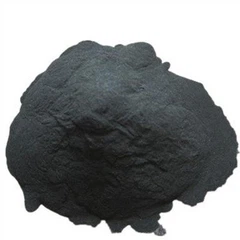
Natural graphite electrodes are made from natural graphite ores, which are mined from the earth. The natural graphite is often purified to remove impurities and then formed into electrodes. However, natural graphite is a heterogeneous material with a less - ordered crystal structure compared to the artificial one. The purification process can remove some of the impurities that impede electrical conductivity, but it is difficult to achieve the same level of structural order as in artificial graphite.
Factors Affecting Electrical Conductivity
There are several key factors that contribute to the difference in electrical conductivity between artificial and natural graphite electrodes:


Crystal Structure:
The crystal structure of a graphite material is highly related to its electrical conductivity. In artificial graphite electrodes, the high - temperature graphitization process creates a well - ordered, layered structure of carbon atoms. In this structure, the carbon atoms are arranged in hexagonal planes, and the electrons can move freely within these planes. This allows for a high degree of electron mobility, resulting in high electrical conductivity. On the other hand, natural graphite has a more disordered crystal structure, which disrupts the flow of electrons and reduces electrical conductivity.
Impurity Content:
Impurities can act as scattering centers for electrons, reducing the electrical conductivity of a material. Artificial graphite electrodes can be carefully manufactured to have a very low impurity content. During the manufacturing process, the raw materials can be selected and purified, and the high - temperature graphitization process can further remove impurities. Natural graphite, however, often contains various impurities such as silica, alumina, and iron oxides, which are difficult to completely remove. These impurities interfere with the movement of electrons, leading to a lower electrical conductivity compared to artificial graphite electrodes.
Density:
The density of a graphite electrode also plays a role in its electrical conductivity. Artificial graphite electrodes can be manufactured to have a higher and more consistent density. A higher - density electrode allows for more efficient electron transfer because it provides a continuous path for the electrons. Natural graphite electrodes may have a more variable density due to the natural variability of the ore and the limitations of the manufacturing process. This variable density can lead to less efficient electron transfer and lower electrical conductivity.
Electrical Conductivity Comparison in Practical Applications
Let's look at some practical applications to see how the differences in electrical conductivity between artificial and natural graphite electrodes play out:
Steelmaking:
In electric arc furnaces used for steelmaking, high electrical conductivity is crucial for efficient energy transfer. Artificial graphite electrodes, with their high conductivity, can transfer electrical energy more effectively, which reduces power consumption and shortens the melting time. As a result, steel production becomes more efficient and cost - effective. Natural graphite electrodes, with their relatively lower conductivity, may require more energy to achieve the same level of melting, leading to higher energy costs and longer production cycles.
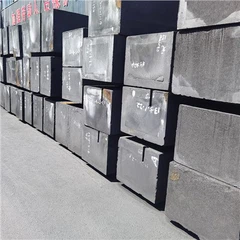
Graphite Electrode For Silicon Carbide Furnace
In the production of silicon carbide, a high - temperature process is required. The high electrical conductivity of artificial graphite electrodes enables better heat generation and distribution in the furnace. This leads to more uniform heating of the reactants and a higher - quality silicon carbide product. Natural graphite electrodes may not be able to provide the same level of heat generation and distribution due to their lower conductivity, potentially affecting the quality of the final product.
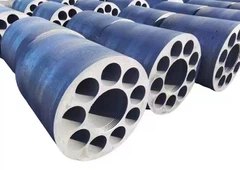
HP Graphite Electrode For LED Production
For LED production, where precise control of the electrical current and heat is needed, artificial graphite electrodes are preferred. Their high and consistent electrical conductivity ensures stable and reliable performance in the manufacturing process. The lower conductivity of natural graphite electrodes may lead to more fluctuations in the electrical current and heat, which can affect the quality and yield of LED products.
UHP Graphite Electrode For Scrap Melting
When melting scrap metal, the high conductivity of ultra - high power (UHP) artificial graphite electrodes can quickly transfer a large amount of electrical energy to the scrap, resulting in faster melting. This is especially important in large - scale scrap melting operations, where time and energy efficiency are critical. Natural graphite electrodes may not be able to meet the high - power requirements as effectively due to their lower electrical conductivity.
Benefits of Using Artificial Graphite Electrodes based on Electrical Conductivity
As a supplier of artificial graphite electrodes, I can attest to the numerous benefits that their high electrical conductivity brings:
Energy Efficiency:
The high electrical conductivity of artificial graphite electrodes reduces energy loss during electrical energy transfer. This leads to significant energy savings in industrial processes, which not only reduces operating costs but also has environmental benefits. With increasing concerns about energy conservation and carbon emissions, the energy - efficient nature of artificial graphite electrodes is a major advantage.
Productivity Improvement:
In high - temperature industrial processes, the ability to transfer electrical energy quickly and efficiently translates into shorter production cycles. For example, in steelmaking, the use of artificial graphite electrodes can reduce the melting time, allowing for more batches to be processed in a given period. This directly improves the productivity of the industrial plant.
Product Quality:
The stable and high electrical conductivity of artificial graphite electrodes ensures consistent heat generation and distribution in the furnace. This uniformity is crucial for producing high - quality products. Whether it's steel, silicon carbide, or LED components, the use of artificial graphite electrodes can lead to products with better physical and chemical properties.
Why You Should Consider Our Artificial Graphite Electrodes
If you are looking for high - performance graphite electrodes, our artificial graphite electrodes are an excellent choice. Our electrodes are manufactured with the latest technology and strict quality control measures. We ensure that each electrode has a high - quality crystal structure, low impurity content, and consistent density, all of which contribute to superior electrical conductivity.
Whether you are in the steelmaking industry, the production of silicon carbide, LED manufacturing, or scrap melting, our artificial graphite electrodes can help you improve energy efficiency, increase productivity, and enhance product quality.
If you are interested in procuring artificial graphite electrodes for your business, we encourage you to contact us for a detailed discussion. Our team of experts is ready to assist you in selecting the right electrodes for your specific needs and provide you with the best solutions. Don't miss out on the opportunity to upgrade your industrial processes with our high - quality artificial graphite electrodes.
References
- "Graphite and its Composites: Structure, Properties and Application" by Dr. Rajiv K. Singh
- "Handbook of Carbon, Graphite, Diamond and Fullerenes: Properties, Processing and Applications" by Peter J. Phillips
Send Inquiry