

Can graphite powder be used in the production of carbon nanotubes?
Jan 20, 2026
Leave a message
Can graphite powder be used in the production of carbon nanotubes?
Carbon nanotubes (CNTs) have emerged as one of the most promising materials in modern nanotechnology, with a wide range of applications from electronics to materials science. As a leading graphite powder supplier, we are often asked whether our graphite powder can be used in the production of carbon nanotubes. In this blog, we will explore the feasibility of using graphite powder in the synthesis of carbon nanotubes.
Understanding Carbon Nanotubes
Carbon nanotubes are tubular structures made of carbon atoms. They come in two main types: single - walled carbon nanotubes (SWCNTs) and multi - walled carbon nanotubes (MWCNTs). SWCNTs consist of a single layer of carbon atoms rolled into a tube, while MWCNTs are composed of multiple concentric layers of carbon tubes. These nanotubes possess unique mechanical, electrical, and thermal properties. For instance, they have extremely high tensile strength, excellent electrical conductivity, and high thermal conductivity, making them suitable for use in high - performance composites, nanoelectronics, and energy storage devices.
Common Methods for Carbon Nanotube Production
There are several methods to synthesize carbon nanotubes, including arc discharge, laser ablation, and chemical vapor deposition (CVD).
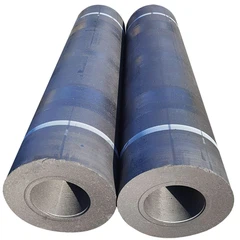
- Arc Discharge: In the arc - discharge process, an electric arc is generated between two graphite electrodes in an inert gas atmosphere. The high temperature of the arc vaporizes the carbon atoms from the graphite anode, and under the right conditions, these carbon atoms reassemble to form carbon nanotubes.
- Laser Ablation: A pulsed laser is used to vaporize a carbon target (usually a graphite composite containing metal catalysts) in a furnace filled with an inert gas. The vaporized carbon then condenses to form carbon nanotubes in the presence of a catalyst.
- Chemical Vapor Deposition (CVD): In CVD, a hydrocarbon gas (such as methane or ethylene) is decomposed over a metal catalyst at high temperatures. The carbon atoms from the decomposed hydrocarbon gas are then used to build the carbon nanotubes.
Can Graphite Powder Be Used in CNT Production?
Arc Discharge and Laser Ablation
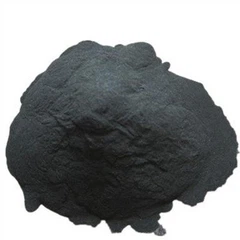
Graphite powder can be used in the arc - discharge and laser - ablation methods. In arc discharge, instead of using solid graphite electrodes, graphite powder can potentially be used to create a more uniform carbon source. The powder can be formed into electrodes or used in a modified arc - discharge setup. The advantage of using graphite powder is that it can provide a larger surface area for carbon vaporization, which may lead to more efficient production of carbon nanotubes.
In laser ablation, graphite powder can be used as the carbon target. By mixing the graphite powder with the appropriate metal catalysts, it becomes a viable material for generating carbon vapor and subsequent nanotube formation. The high - purity of our UHP Graphite Powder makes it an ideal candidate for such high - precision processes. The ultra - high purity ensures that there are minimal impurities that could affect the quality and performance of the synthesized carbon nanotubes.
Chemical Vapor Deposition
Although CVD typically uses hydrocarbon gases as the carbon source, graphite powder can also play a role. For example, graphite powder can be used to pre - coat the substrate or to support the catalyst particles. The graphite on the substrate can act as a nucleation site for the growth of carbon nanotubes from the hydrocarbon gas. Additionally, research has shown that graphite powder can be functionalized and used as a carbon - rich additive in the CVD process to enhance the growth rate and quality of the carbon nanotubes.
Advantages of Using Our Graphite Powder for CNT Production
Apart from the high - purity aspect, our graphite powder has a well - controlled particle size distribution. This characteristic is crucial as it can affect the uniformity of the carbon vaporization or deposition processes. A narrow particle - size distribution ensures that the carbon atoms are released or deposited in a more consistent manner, leading to a more homogeneous batch of carbon nanotubes.
Moreover, we offer High - purity Calcined Petroleum Coke which can be used in combination with graphite powder for CNT production. The calcined petroleum coke can act as an additional carbon source, adjusting the carbon - to - catalyst ratio and potentially improving the yield and quality of the carbon nanotubes. Calcined Petroleum Coke For Titanium Metal Production can also be considered in some specific applications where its unique properties can contribute to the overall CNT synthesis process.


Challenges and Considerations
While using graphite powder for carbon nanotube production has many potential benefits, there are also some challenges. One major challenge is the need for a proper catalyst. The synthesis of high - quality carbon nanotubes usually requires the presence of a metal catalyst, such as iron, cobalt, or nickel. The interaction between the graphite powder and the catalyst needs to be carefully optimized to ensure efficient nanotube growth.
Another consideration is the control of the reaction conditions. The temperature, pressure, and gas flow rate in the production process can significantly affect the quality and yield of the carbon nanotubes. For example, in the arc - discharge method, the arc current and voltage need to be precisely regulated to achieve the desired carbon vaporization and nanotube formation.
Conclusion
In conclusion, graphite powder can indeed be used in the production of carbon nanotubes. Whether it is through arc - discharge, laser ablation, or as an additive in the CVD process, graphite powder offers a viable and potentially efficient carbon source for synthesizing these remarkable nanomaterials. Our company, as a reliable graphite powder supplier, is committed to providing high - quality products for carbon nanotube production. We offer a variety of graphite - based materials, including high - purity graphite powder and calcined petroleum coke, to meet the diverse needs of our customers in the nanotechnology field.
If you are interested in using our graphite powder or associated products for carbon nanotube production, we invite you to contact us for further details and to discuss your specific requirements. Our team of experts is ready to assist you in optimizing your production process and achieving the best results.
References
- Dresselhaus, M. S., Dresselhaus, G., & Avouris, P. (Eds.). (2001). Carbon nanotubes: synthesis, structure, properties, and applications. Springer - Verlag.
- Dai, H. (2002). Carbon nanotubes: synthesis, integration, and properties. Accounts of chemical research, 35(12), 1035 - 1044.
- Iijima, S. (1991). Helical microtubules of graphitic carbon. Nature, 354(6348), 56 - 58.
Send Inquiry