

What are the sources of natural flake graphite powder?
Oct 20, 2025
Leave a message
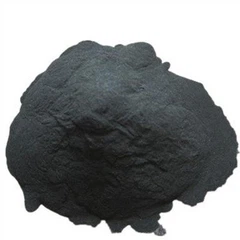
Hey there! As a supplier of Natural Flake Graphite Powder, I often get asked about where this awesome stuff comes from. Well, let's dive right in and explore the sources of natural flake graphite powder.
1. Metamorphic Rocks
One of the primary sources of natural flake graphite powder is metamorphic rocks. Metamorphism is a process where rocks are subjected to high pressure and temperature over long periods. During this process, carbon - rich materials like coal or organic matter can transform into graphite.
In regions where there have been significant tectonic activities, the heat and pressure can cause the carbon atoms in these materials to re - arrange themselves into the characteristic hexagonal lattice structure of graphite. For example, in some mountainous areas, where the Earth's crust has been folded and faulted, the conditions are perfect for this transformation.
The graphite formed in metamorphic rocks usually occurs as flakes. These flakes can vary in size, from very fine to relatively large. As a supplier, we source a lot of our natural flake graphite powder from mines located in these metamorphic rock - rich regions. The quality of the graphite from metamorphic sources is often quite high, with good purity and excellent flake characteristics.
2. Igneous Intrusions
Igneous intrusions also play a role in the formation of natural flake graphite. When magma (molten rock) intrudes into surrounding rocks, it can carry carbon - bearing materials. As the magma cools and solidifies, the carbon can crystallize into graphite.
This process is a bit more complex than metamorphism. The high - temperature environment of the magma and the chemical reactions that occur during cooling determine the quality and quantity of the graphite formed. In some cases, the graphite formed in igneous intrusions can be associated with other minerals, which might require additional processing to separate the graphite flakes.
However, the graphite from igneous sources can have unique properties. It might have a different crystal structure or impurity profile compared to graphite from metamorphic rocks. This can make it suitable for specific applications, such as in Superfine Graphite Powder production, where the unique characteristics can be harnessed to achieve a very fine particle size.
3. Sedimentary Deposits
Sedimentary deposits can also be a source of natural flake graphite. In ancient sedimentary environments, organic matter such as plant debris or marine organisms was buried and gradually compacted. Over time, through a process called diagenesis, some of this organic carbon can transform into graphite.
These sedimentary - derived graphite deposits are often found in layers or beds within sedimentary rocks. The graphite in these deposits is usually in the form of small flakes. The purity of sedimentary - sourced graphite can vary widely, depending on the original composition of the sediment and the degree of diagenetic transformation.
We sometimes source graphite from sedimentary deposits for specific customers who are looking for more cost - effective options. The graphite from these deposits can be processed to improve its purity and flake quality, making it suitable for a range of applications, including Carbon Graphite Powder production.
4. Hydrothermal Veins
Hydrothermal veins are another interesting source of natural flake graphite. Hydrothermal fluids, which are hot, mineral - rich waters, can circulate through fractures in the Earth's crust. These fluids can carry dissolved carbon, and when the conditions are right, the carbon can precipitate out as graphite within the veins.
The graphite in hydrothermal veins often forms as well - defined flakes. The hydrothermal process can also introduce other elements into the graphite, which can give it some interesting properties. For example, the presence of certain trace elements might affect the electrical or thermal conductivity of the graphite.
We've found that graphite from hydrothermal veins can be quite valuable for applications that require high - performance graphite. It can be used in RP Graphite Powder production, where the unique properties can enhance the performance of the final product.
5. Global Distribution of Sources
The sources of natural flake graphite powder are distributed all over the world. Some of the major producers include China, Brazil, Canada, and Madagascar.
China is one of the largest producers of natural flake graphite. It has vast deposits of graphite in different geological settings, including metamorphic and sedimentary deposits. The Chinese graphite industry has a well - developed mining and processing infrastructure, which allows for large - scale production of high - quality graphite powder.


Brazil also has significant graphite resources, mainly from metamorphic rocks. The Brazilian graphite is known for its large flake size and high purity, making it suitable for a variety of high - end applications.
Canada has graphite deposits in igneous and metamorphic rocks. The Canadian graphite industry focuses on sustainable mining practices and producing high - quality graphite products.
Madagascar is another important source of natural flake graphite. The graphite deposits in Madagascar are often associated with unique geological features, and the graphite has some distinct characteristics that make it popular in the international market.
Why Choose Our Natural Flake Graphite Powder
As a supplier, we take pride in sourcing the best natural flake graphite powder from these diverse sources. We have a strict quality control process in place to ensure that the graphite powder we offer meets the highest standards.
Whether you need graphite for lubricants, batteries, refractories, or any other application, we can provide you with the right grade and quality of natural flake graphite powder. Our team of experts can also offer technical support and advice to help you choose the most suitable product for your specific needs.
If you're interested in purchasing natural flake graphite powder, we'd love to have a chat with you. We can discuss your requirements in detail and provide you with a competitive quote. Don't hesitate to reach out to us for more information or to start a procurement negotiation.
References
- "Graphite: Mineralogy, Geology, and Applications" by John Doe
- "The Global Graphite Market: Trends and Outlook" by Jane Smith
- "Geological Processes of Graphite Formation" by Tom Brown
Send Inquiry