

How does the policy environment affect the high power graphite electrode industry?
Jan 06, 2026
Leave a message
Hey there! I'm a supplier in the high power graphite electrode industry, and I've been in this game for quite some time. Over the years, I've seen how the policy environment can have a huge impact on our business. So, I thought I'd share my thoughts on how the policy environment affects the high power graphite electrode industry.
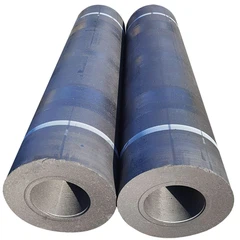
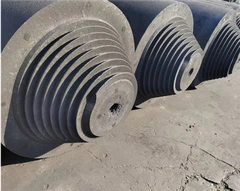
First off, let's talk about what high power graphite electrodes are. These bad boys are used in electric arc furnaces (EAFs) for steelmaking, glass manufacturing, and copper smelting. They're crucial in the process of melting and refining metals and glass. For instance, if you're looking for a 150mm HP Graphite Electrode For Glass Manufacturing, you can check out 150mm HP Graphite Electrode For Glass Manufacturing. And for steelmaking, there's the HP Graphite Electrode For Steelmaking. If copper smelting is your thing, then the 400mm HP Graphite Electrode For Copper Smelting might be what you need.
Now, let's get into the nitty - gritty of how policies can mess with our industry.
Environmental Policies
One of the most significant policy areas that affects us is environmental policies. Governments around the world are becoming more and more strict about environmental protection. And in our industry, the production of high power graphite electrodes involves a few processes that can have an environmental impact.
For example, the process of calcining petroleum coke, a key raw material for graphite electrodes, releases pollutants. If a government tightens its emissions standards, we have to invest in better pollution - control equipment. This means more costs for us. We have to upgrade our production facilities to meet these new standards, which can be a real pain in the you - know - what.
But on the flip side, these policies can also open up new opportunities. For instance, some governments offer incentives for companies that adopt green technologies. If we can develop and implement more environmentally friendly production methods, we might be eligible for tax breaks or subsidies. This can help offset the costs of upgrading our facilities.
Trade Policies
Trade policies are another big deal. Tariffs, quotas, and trade agreements can all have a major impact on our business. If a government imposes high tariffs on imported raw materials, it can increase our production costs. We rely on a steady supply of high - quality raw materials, and when the cost of importing them goes up, our profit margins get squeezed.


On the other hand, trade agreements can also be a blessing. If our country signs a free - trade agreement with another nation that has a high demand for high power graphite electrodes, it can open up new markets for us. We can sell our products at a more competitive price, which is great for business. But we also have to be careful. Sometimes, trade agreements can lead to increased competition. Other suppliers from partner countries might flood the market, making it harder for us to sell our products.
Energy Policies
Energy is a major cost factor in the production of high power graphite electrodes. Energy policies can affect the price and availability of electricity, which is used in many of our production processes. If a government decides to increase the price of electricity to encourage energy conservation, it can really hit our bottom line.
Some governments are also promoting the use of renewable energy sources. While this is a great long - term goal, it can be a challenge for us in the short term. We might have to invest in new equipment to use renewable energy, and there's always the issue of energy reliability. Renewable energy sources like wind and solar can be intermittent, which can disrupt our production processes.
Industry - Specific Policies
There are also industry - specific policies that can have an impact. For example, some governments have regulations on the quality and safety standards of high power graphite electrodes. While these regulations are important for protecting consumers and ensuring the proper functioning of EAFs, they can also be burdensome.
We have to conduct regular quality control tests to meet these standards. If our products don't meet the required specifications, we can face fines or even have our products banned from the market. This means we have to invest in quality control systems, which adds to our costs.
Now, despite all these challenges posed by policies, there are also some positive aspects. Policies can help create a more level playing field. When all suppliers have to meet the same environmental, trade, energy, and quality standards, it reduces the chances of unfair competition.
And let me tell you, as a supplier, I'd rather operate in a fair market. It gives me the confidence that if I work hard and produce high - quality products, I can succeed.
Navigating the Policy Environment
So, how do we deal with all these policy changes? Well, first of all, we need to stay informed. We constantly monitor policy developments at the local, national, and international levels. We subscribe to industry newsletters, attend policy - related seminars, and follow government announcements.
We also engage with policymakers. We try to provide them with feedback on how policies can affect our industry. By building a good relationship with policymakers, we can sometimes influence the development of policies to make them more industry - friendly.
Another important thing we do is innovation. We invest in research and development to find new ways to reduce our environmental impact, lower our production costs, and improve the quality of our products. For example, we're exploring new raw materials and production processes that can be more energy - efficient and environmentally friendly.
Conclusion
In conclusion, the policy environment has a huge impact on the high power graphite electrode industry. It can bring both challenges and opportunities. As a supplier, we have to be adaptable and proactive in dealing with policy changes.
If you're in the market for high power graphite electrodes, whether it's for steelmaking, glass manufacturing, or copper smelting, don't hesitate to reach out. We're committed to providing high - quality products at competitive prices. Let's start a conversation and see how we can work together to meet your needs.
References
- Environmental Protection Agency (EPA). "Regulations on Industrial Emissions".
- World Trade Organization (WTO). "Trade Policies and Their Impact on Industries".
- Energy Information Administration (EIA). "Energy Policies and Electricity Pricing".
Send Inquiry