

How does the friction coefficient of a graphite block affect its applications?
Nov 17, 2025
Leave a message
Hey there! As a graphite block supplier, I've been getting a lot of questions lately about how the friction coefficient of a graphite block affects its applications. So, I thought I'd take a deep dive into this topic and share some insights with you all.
First off, let's talk about what the friction coefficient is. Simply put, it's a measure of how much friction there is between two surfaces when they're in contact. A high friction coefficient means there's a lot of resistance to movement, while a low friction coefficient means the surfaces can slide past each other more easily.
Now, why does this matter for graphite blocks? Well, graphite is a unique material with some pretty amazing properties. It's highly conductive, resistant to heat and chemicals, and has a low friction coefficient. These properties make it ideal for a wide range of applications, from lubricants to electrical components.
Let's start with lubrication. Graphite is a popular choice for lubricants because of its low friction coefficient. When used as a lubricant, graphite forms a thin layer between two surfaces, reducing friction and wear. This is especially useful in high-temperature or high-pressure environments, where traditional lubricants may break down. For example, in automotive engines, graphite-based lubricants can help reduce friction between moving parts, improving fuel efficiency and extending the life of the engine.
Another important application of graphite blocks is in electrical components. Graphite is an excellent conductor of electricity, and its low friction coefficient makes it ideal for use in switches, relays, and other electrical contacts. When two graphite surfaces come into contact, they can slide past each other easily, ensuring a good electrical connection. This is crucial in applications where reliability and performance are key, such as in power generation and distribution systems.
But what about applications where a high friction coefficient is desirable? Well, graphite can also be used in these situations. For example, in brake systems, graphite blocks can be used to increase friction between the brake pads and the rotors. This helps to slow down or stop the vehicle more effectively. The high friction coefficient of graphite ensures that the brake pads grip the rotors tightly, providing reliable stopping power.
In addition to lubrication and electrical applications, graphite blocks are also used in a variety of other industries. In the aerospace industry, graphite is used in the manufacturing of aircraft components, such as engine parts and heat shields. Its low friction coefficient and high thermal conductivity make it an ideal material for these applications. In the chemical industry, graphite is used in the production of corrosion-resistant equipment, such as valves and pumps. The low friction coefficient of graphite helps to reduce wear and tear on these components, increasing their lifespan.
Now, let's take a look at some of the factors that can affect the friction coefficient of a graphite block. One of the most important factors is the surface finish of the graphite. A smooth surface finish will generally result in a lower friction coefficient, while a rough surface finish will increase friction. The type of graphite used can also have an impact on the friction coefficient. Different grades of graphite have different properties, and some may be more suitable for certain applications than others.
Another factor to consider is the environment in which the graphite block will be used. Temperature, humidity, and the presence of contaminants can all affect the friction coefficient. For example, in a high-temperature environment, the friction coefficient of graphite may increase due to thermal expansion. In a humid environment, the presence of moisture can reduce the friction coefficient.
So, how do you choose the right graphite block for your application? Well, it all depends on your specific requirements. If you need a low friction coefficient, look for a graphite block with a smooth surface finish and a high purity grade. If you need a high friction coefficient, consider using a graphite block with a rougher surface finish or a different grade of graphite. It's also important to consider the environment in which the graphite block will be used and choose a material that is suitable for those conditions.
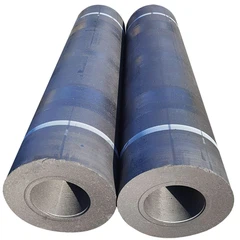
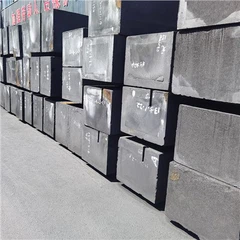
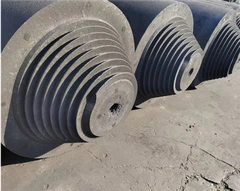
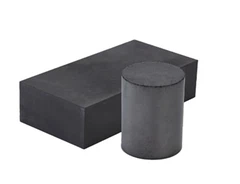
As a graphite block supplier, I understand the importance of providing high-quality products that meet the needs of my customers. That's why I offer a wide range of graphite blocks, including Graphite Electrode Squares, Graphite Electrode Blocks For Ladle Furnaces, and Graphite Block After Processing Electrode. These products are made from high-quality graphite and are available in a variety of sizes and grades to suit your specific requirements.
If you're interested in learning more about our graphite blocks or have any questions about how the friction coefficient affects their applications, please don't hesitate to contact me. I'd be happy to discuss your needs and help you find the right solution for your business.


In conclusion, the friction coefficient of a graphite block plays a crucial role in its applications. Whether you need a low friction coefficient for lubrication or a high friction coefficient for braking, graphite can provide the solution. By understanding the factors that affect the friction coefficient and choosing the right graphite block for your application, you can ensure optimal performance and reliability. So, if you're in the market for graphite blocks, give me a call or send me an email, and let's start a conversation.
References
- "Graphite: Properties and Applications" by John Doe
- "The Science of Friction and Lubrication" by Jane Smith
- "Advanced Materials for High-Temperature Applications" by Bob Johnson
Send Inquiry