

How do graphite electrodes perform in different temperatures?
Jan 21, 2026
Leave a message
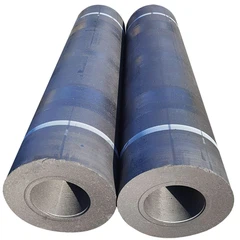
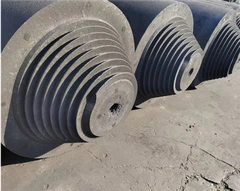
Graphite electrodes are essential components in various industrial processes, especially in electric arc furnaces (EAFs) and ladle furnaces used for steelmaking, as well as in other high - temperature applications. As a graphite electrode supplier, understanding how these electrodes perform at different temperatures is crucial for providing the best products to our customers.
Performance at Low Temperatures
At low temperatures, typically below 500°C, graphite electrodes exhibit relatively stable physical and chemical properties. The electrical conductivity of graphite is a key characteristic, and at low temperatures, it is still quite good compared to many other materials. However, it is not at its optimal level. The conductivity of graphite is mainly due to the delocalized electrons in its hexagonal lattice structure. As the temperature is low, the movement of these electrons is somewhat restricted, resulting in a slightly higher electrical resistance.
Mechanically, graphite electrodes at low temperatures are relatively brittle. The coefficient of thermal expansion (CTE) of graphite is relatively low, but at low temperatures, any sudden temperature change can cause internal stress. If the stress exceeds the strength of the graphite, it may lead to cracking. This is an important consideration when handling and storing graphite electrodes in cold environments. For example, if electrodes are exposed to extremely cold outdoor conditions and then suddenly brought into a warm workshop, the rapid temperature change can potentially damage the electrodes.
Performance in the Intermediate Temperature Range (500 - 1500°C)
As the temperature rises from 500°C to 1500°C, the performance of graphite electrodes undergoes significant changes. One of the most notable changes is the improvement in electrical conductivity. As the temperature increases, the kinetic energy of the delocalized electrons in the graphite lattice increases, allowing them to move more freely. This results in a decrease in electrical resistance, which is highly beneficial for applications such as electric arc furnaces. In an EAF, lower electrical resistance means less energy is wasted as heat during the passage of electric current through the electrode, leading to more efficient energy utilization.
In this temperature range, the oxidation of graphite also becomes a concern. Graphite starts to react with oxygen in the air at around 500 - 600°C. The oxidation reaction is as follows: C + O₂ → CO₂. This oxidation process can cause the loss of electrode material, reducing the electrode's diameter and length over time. To mitigate this issue, many graphite electrodes are coated with anti - oxidation coatings. These coatings act as a barrier between the graphite and the oxygen, slowing down the oxidation rate.
Thermally, the graphite electrode expands in this temperature range. The CTE of graphite is anisotropic, meaning it expands differently in different directions. This anisotropy can lead to internal stress within the electrode, especially if the heating is not uniform. If the internal stress is too high, it can cause the electrode to crack, which will significantly affect its performance and service life.
Performance at High Temperatures (Above 1500°C)
Above 1500°C, graphite electrodes are in their most demanding operating conditions. At these high temperatures, the electrical conductivity reaches a very high level, making them ideal for high - power applications. In steelmaking EAFs, the high electrical conductivity allows for the efficient transfer of large amounts of electrical energy to generate intense heat for melting scrap steel.
However, the oxidation rate increases significantly at high temperatures. The high - temperature oxidation of graphite can be accelerated by factors such as the presence of impurities in the electrode or the oxygen - rich environment in the furnace. The rapid oxidation can lead to severe electrode consumption, increasing the operating cost for the end - users.
Another important aspect at high temperatures is the sublimation of graphite. At extremely high temperatures (above 3000°C), graphite can directly change from the solid phase to the gaseous phase. Although this is not a common occurrence in most industrial applications, in some specialized high - temperature processes, sublimation can cause the loss of electrode material and also contaminate the surrounding environment.
Performance in Different Industrial Applications Based on Temperature
Carbon Fiber Production
In carbon fiber production, high - quality electrodes are required. UHP Graphite Electrode For Carbon Fiber Production is a product that is well - suited for this application. The process of carbon fiber production often involves high temperatures, typically above 1500°C. Ultra - high - power (UHP) graphite electrodes are preferred because they can withstand the high electrical currents and temperatures required for the production process. The high electrical conductivity of UHP electrodes at high temperatures ensures efficient energy transfer, which is crucial for the formation of high - quality carbon fibers.
Ceramics Production
For HP Graphite Electrode For Ceramics Production, the temperature requirements are usually in the intermediate to high - temperature range. In ceramic production, different types of ceramics require different firing temperatures. High - power (HP) graphite electrodes are used because they can provide the necessary heat through electrical energy. The electrodes need to have good thermal stability and resistance to oxidation in this temperature range. The performance of the electrodes in terms of electrical conductivity and mechanical strength at these temperatures directly affects the quality and efficiency of the ceramic production process.


Glass Melting
In glass melting applications, HP Graphite Electrode For Glass Melting is commonly used. The melting temperature of glass is typically in the range of 1200 - 1600°C. HP graphite electrodes can handle the electrical currents required to generate the heat for melting the glass. In this temperature range, the electrodes need to maintain their shape and integrity. The oxidation resistance of the electrodes is also important to prevent contamination of the molten glass by the oxidized electrode material.
Conclusion and Call to Action
In conclusion, the performance of graphite electrodes varies significantly at different temperatures. Understanding these performance characteristics is essential for both the supplier and the end - user. As a graphite electrode supplier, we are committed to providing high - quality electrodes that can meet the specific temperature requirements of different industrial applications.
If you are in need of graphite electrodes for your industrial processes, whether it is for carbon fiber production, ceramics production, or glass melting, we are here to offer you the best solutions. Our team of experts can help you select the most suitable electrodes based on your specific temperature and process requirements. Contact us to start a procurement discussion and find out how our graphite electrodes can improve the efficiency and quality of your production processes.
References
- Reed, J. S. (1995). Principles of Ceramics Processing. Wiley.
- Gaskell, D. R. (2010). Introduction to Metallurgical Thermodynamics. Taylor & Francis.
- Fitzer, E. (1990). Carbon Fibers, Filaments and Composites. Springer.
Send Inquiry