


Introduction and Application Analysis of Graphite Electrode
Jan 03, 2025
Leave a message
Graphite electrode is a tool used for conducting electricity in high-temperature melting furnaces.
1, What is graphite electrode
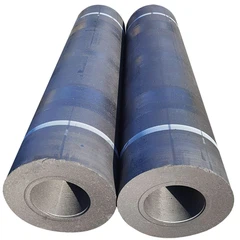
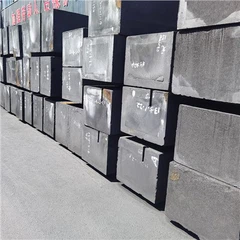
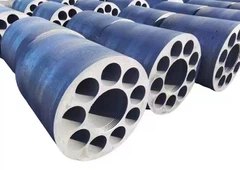
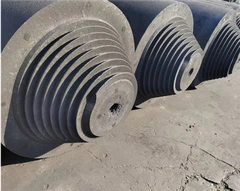
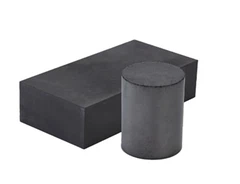
Graphite electrode is a tool used for conducting electricity in high-temperature melting furnaces. It is made of artificial graphite material, which has high density, high strength, high temperature oxidation resistance, and good electrical conductivity. Graphite electrodes are usually cylindrical or square in shape, and their length and diameter can be customized according to specific needs.
2, The principle of graphite electrode
Graphite electrodes mainly conduct current through conduction, allowing the current to flow in the furnace. In this way, the current can generate high temperatures in the furnace, causing the material to melt and undergo chemical reactions. Secondly, graphite electrodes can also transfer the thermal energy of the molten pool to the surrounding area through thermal conduction and radiation, thereby maintaining the temperature of the molten pool.
3, Application fields of graphite electrodes
Graphite electrodes are widely used in industries such as metallurgy, chemical engineering, and power, playing a crucial role in modern industrial production. For example, in the metallurgical industry, graphite electrodes are widely used in the smelting of metals such as steel, copper, aluminum, and zinc. In the chemical industry, graphite electrodes are mainly used in reactions such as chlor alkali production and organic carbonization. In addition, graphite electrodes are widely used in power equipment such as boilers and power plants.
In short, graphite electrodes are indispensable tools in modern industrial production, with important application value and development prospects.
Send Inquiry