

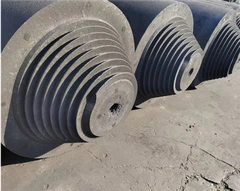
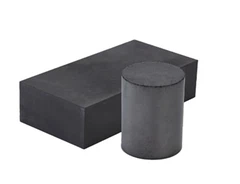

Graphite Electrode - Introduction
Nov 29, 2024
Leave a message
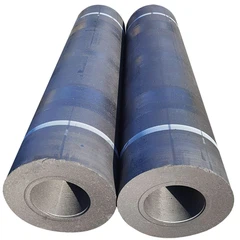
Graphite electrodes are a type of electrode used in electric arc furnaces (EAF) for steel production. They are made of high-purity graphite and are an essential component of the EAF steelmaking process. In this article, we will briefly introduce the properties, manufacturing process, and applications of graphite electrodes.
Properties of graphite electrodes
Graphite electrodes have the characteristics of high thermal conductivity, high melting point, low electrical resistance, high resistance to oxidation and corrosion. These properties make them ideal for use in the EAF steelmaking process, which is subject to extreme temperatures and harsh conditions.
The high thermal conductivity of graphite electrodes enables them to withstand the high temperatures of up to 3,500°C generated in the electric arc furnace. This property also ensures that the heat generated in the EAF is evenly distributed, preventing hot spots and ensuring consistent steel quality.
The high melting point of graphite electrodes enables them to withstand the high temperatures of the EAF without melting. This property is essential to prevent the electrodes from decomposing during the steelmaking process.
The low electrical resistance of graphite electrodes makes them ideal for conducting the high currents used in the EAF. This property also ensures that the electrodes heat up quickly and efficiently, reducing the energy consumption of the steelmaking process.
The high resistance of graphite electrodes to oxidation and corrosion is essential to ensure that they have a long service life under the harsh conditions of the electric arc furnace. This property also ensures that the electrodes do not contaminate the steel with impurities, which could affect the quality of the final product.
Graphite Electrode Manufacturing Process
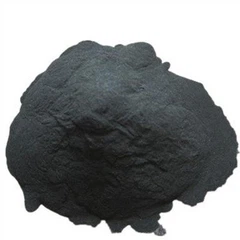
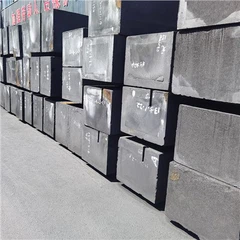
Graphite electrodes are made from a mixture of high-quality petroleum coke, needle coke, and coal tar pitch. The raw materials are crushed and ground into a fine powder, then mixed with coal tar pitch and formed into blocks using a molding process.
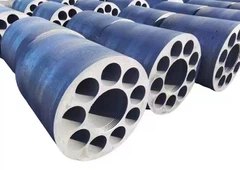
The blocks are then baked at high temperatures to carbonize the coal tar pitch and convert the raw materials into graphite. The resulting graphite blocks are then processed into the required size and treated with a special coating to improve their conductivity and oxidation resistance.
Applications of Graphite Electrodes
Graphite electrodes are mainly used in the EAF steelmaking process. In this process, electrodes are lowered into an electric arc furnace and used to generate an electric arc, heating the scrap metal and melting it into molten steel. Graphite electrodes are then used to conduct the high currents required to keep the steel melted and control the chemical composition of the steel.
Graphite electrodes are also used in other industrial applications, such as the production of aluminum, silicon, and other non-ferrous metals. They are also used in the production of ferroalloys, such as ferrosilicon and ferromanganese, which are used as additives to steel to improve its properties.
Conclusion
Graphite electrodes are an essential component of the EAF steelmaking process. They are characterized by high thermal conductivity, high melting point, low electrical resistance, and high resistance to oxidation and corrosion. These properties make them ideal for use in the harsh conditions of the EAF, where they are subjected to extreme temperatures and harsh conditions.
The manufacturing process of graphite electrodes involves the use of high-quality raw materials such as petroleum coke and needle coke, which are converted into graphite through a roasting process. The resulting graphite blocks are then processed into the required dimensions and treated with special coatings to improve their electrical conductivity and resistance to oxidation.
Graphite electrodes have a wide range of industrial applications, including the production of steel, aluminum, silicon, and other non-ferrous metals. They are also used in the production of ferroalloys and as an additive to steel to improve its properties.
Send Inquiry