

Artificial graphite electrode
Mar 14, 2025
Leave a message
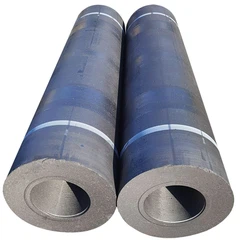
Artificial graphite electrode
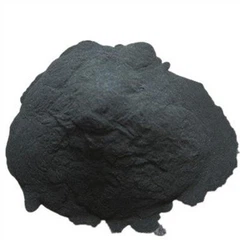
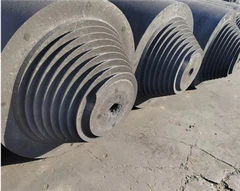
Graphite electrode is a high temperature resistant and anti-oxidation conductive material produced by a series of processes such as crushing, batching, kneading, molding, roasting, impregnation, graphitization, and mechanical processing using petroleum coke as aggregate and coal tar as binder.
Graphite electrode has good electrical properties and chemical stability, high mechanical strength at high temperature, low impurity content, and good vibration resistance. It is a good conductor of heat and electricity.
Graphite electrode is an important conductive material in the electric smelting industry. It has good electrical and thermal conductivity, high mechanical strength, and good anti-oxidation and corrosion performance at high temperature. It is widely used in electric arc steelmaking furnaces, ore thermal electric furnaces (production of ferroalloys, pure silicon, yellow phosphorus, matte, calcium carbide, etc.), and resistance furnaces (such as graphitization furnaces for producing graphite electrodes, melting furnaces for melting glass, electric furnaces for producing silicon carbide, etc.), and has become an important part of the contemporary raw materials industry.
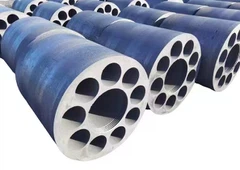
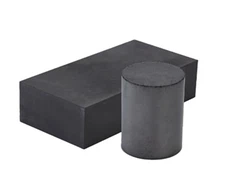
According to the different power and current during use, different raw materials and production processes are used to produce it, which can be divided into ordinary power graphite electrodes, high power graphite electrodes, and ultra-high power graphite electrodes. According to the different diameters of the electrodes, there are different specifications of φ75~700mm. According to the special requirements of users, special specifications of graphite electrodes and special-shaped graphite products can be processed and produced.
1. Transportation of graphite electrodes
1. Graphite electrodes should be covered with rainproof tarpaulins during long-distance transportation.
2. When lifting and unloading electrodes packed in wooden boxes with lifting machinery, steel wire ropes must be used, and the steel packaging belt of the electrode must not be directly hooked for lifting and unloading.
3. In order to protect the end surface and threads of the electrode, the electrode must not be directly lifted by hooking the electrode hole.
4. When loading and unloading the joint box, it should be handled with care to prevent damage to the thread.
2. Storage of graphite electrodes
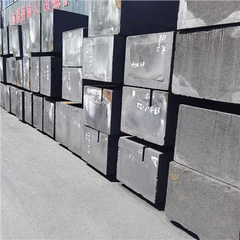
1. Electrodes should be stored in a clean and dry place; For electrodes and joints that are not used temporarily, do not remove the packaging, and prevent dust and debris from falling on the threads or in the electrode holes, which will affect the docking accuracy of the product.
2. Electrodes stacked in open fields must be covered with rainproof tarpaulins.
3. The electrodes should be placed neatly in the warehouse, and the two sides of the electrode stack should be padded to prevent the stack from slipping.
4. The stacking height of bulk electrodes is usually not more than 2.8 meters, and the layer height of boxed electrodes should not exceed 4 layers.
5. The temperature of the place where the joints are stored should not be too high to prevent the melting of the asphalt joint plugs.
3. Connection of graphite electrodes
1. The damp electrodes should be dried before use.
2. Remove the foam plastic protective cap on the spare electrode hole and check whether the thread inside the electrode hole is complete.
3. Clean the surface and thread inside the spare electrode with compressed air that does not contain oil and water; avoid cleaning with steel wire balls or metal brushes and sandpaper.
4. Carefully screw the joint into the electrode hole at one end of the spare electrode (it is not recommended to directly install the joint into the electrode removed from the furnace), and do not collide with the thread.
5. Screw the electrode hanger (it is recommended to use a hanger made of graphite) into the electrode hole at the other end of the spare electrode.
6. When lifting the electrode, place a soft object under the end of the spare electrode joint to prevent the joint from being damaged by the ground; lift the electrode by inserting the hook into the lifting ring of the lifting device, and lift the electrode steadily to prevent the electrode from loosening from the B end or colliding with other fixing devices.
7. Lift the spare electrode above the electrode to be connected, align it with the electrode hole and slowly drop it; rotate the spare electrode so that the spiral hook rotates and descends with the electrode; when the end faces of the two electrodes are 10-20mm apart, use compressed air again to clean the exposed parts of the two end faces of the electrode and the joint; when the electrode is completely lowered at the end, it should not be too violent, otherwise the electrode hole and the thread of the joint will be damaged due to violent collision.
8. Use a torque wrench to tighten the spare electrode until the end faces of the two electrodes are in close contact (the correct connection gap between the electrode and the joint is less than 0.05mm).
IV. Precautions when using graphite electrodes
1. The electrode holder should be clamped outside the warning line of the top electrode, otherwise it is easy to cause the electrode to break. The contact surface between the clamp and the electrode should be cleaned frequently to maintain good contact with the electrode, and the cooling water jacket of the clamp should avoid water leakage.
2. If there is a gap at the electrode connection, the cause must be found out and the connection gap must be eliminated before use.
3. When connecting the electrode, if the joint bolt is found to be detached, the joint bolt must be filled before connection.
4. The electrode should be used vertically to avoid tilting operation. In particular, a set of connected electrodes should not be placed horizontally to avoid breaking.
5. When loading the furnace into the electric furnace, large pieces of material should be placed near the bottom of the furnace to reduce the impact of the collapsed large pieces of material on the electrode.
6. During smelting, it should be avoided that a large number of insulating blocks are piled directly under the electrode to avoid affecting the use of the electrode or even breaking the electrode.
7. When the electrode is rising or falling, it should be avoided to rub the furnace cover, causing electrode damage.
8. At the smelting site, it is necessary to avoid slag splashing onto the thread buckle of the electrode or joint stored on site to damage the thread accuracy.
Send Inquiry