

What is the resistance characteristic of High Power Graphite Electrode?
Oct 22, 2025
Leave a message
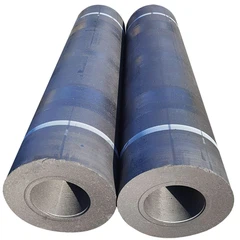
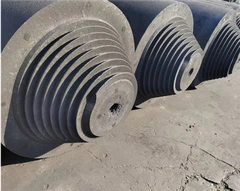
As a supplier of high-power graphite electrodes, I've witnessed firsthand the critical role these components play in various industrial applications. High-power graphite electrodes are essential in electric arc furnaces (EAFs), ladle furnaces, and other high-temperature processes, where they conduct electricity to melt scrap metal and other raw materials. Understanding the resistance characteristics of high-power graphite electrodes is crucial for optimizing their performance and ensuring efficient operation of these industrial processes.
Resistance Basics
Resistance is a fundamental electrical property that measures how much a material opposes the flow of electric current. In the context of graphite electrodes, resistance is a key factor that affects the efficiency of energy transfer during the melting process. The resistance of a graphite electrode is determined by several factors, including its material properties, dimensions, and the operating conditions.


The resistivity of graphite, which is a measure of its intrinsic resistance, is relatively low compared to many other materials. This low resistivity allows graphite electrodes to conduct electricity efficiently, minimizing energy losses in the form of heat. However, the resistance of a graphite electrode can vary depending on its grade, manufacturing process, and the presence of impurities.
Factors Affecting Resistance
Material Properties
The quality and composition of the graphite used in the electrode have a significant impact on its resistance. High-quality graphite with a high degree of crystallinity and low impurity content generally exhibits lower resistance. The manufacturing process also plays a crucial role in determining the material properties of the electrode. For example, electrodes that are graphitized at higher temperatures tend to have better electrical conductivity and lower resistance.
Dimensions
The dimensions of the graphite electrode, including its diameter and length, also affect its resistance. Generally, electrodes with larger diameters have lower resistance because they provide a larger cross-sectional area for the flow of electric current. Similarly, shorter electrodes tend to have lower resistance compared to longer ones, as the longer the path of the current, the higher the resistance.
Operating Conditions
The operating conditions, such as temperature and current density, can also influence the resistance of the graphite electrode. As the temperature increases, the resistance of the graphite electrode typically decreases due to the increased mobility of the charge carriers. However, at very high temperatures, the electrode may experience thermal expansion and other physical changes that can affect its resistance. Additionally, high current densities can cause local heating and oxidation of the electrode, which can increase its resistance over time.
Importance of Low Resistance
Low resistance is desirable in high-power graphite electrodes for several reasons. First, it reduces energy losses during the melting process, resulting in lower energy consumption and cost savings. Second, it helps to maintain a stable arc and uniform temperature distribution in the furnace, which improves the quality of the molten metal and reduces the risk of electrode breakage. Third, low resistance electrodes can operate at higher current densities, allowing for faster melting and increased productivity.
Applications and Resistance Requirements
High-power graphite electrodes are used in a variety of industrial applications, each with its own specific resistance requirements.
Electric Arc Furnaces (EAFs)
In EAFs, graphite electrodes are used to melt scrap metal and other raw materials. The resistance of the electrodes in EAFs needs to be carefully controlled to ensure efficient energy transfer and stable operation. Low-resistance electrodes are preferred in EAFs to minimize energy losses and improve the overall efficiency of the melting process. You can find more information about Low-resistance Graphite Electrodes For Fuel Cells.
Ladle Furnaces
Ladle furnaces are used for secondary steelmaking processes, such as refining and alloying. The electrodes in ladle furnaces need to have good electrical conductivity and low resistance to provide precise control of the temperature and chemical composition of the molten steel.
Calcium Carbide Furnaces
Graphite electrodes are also used in calcium carbide furnaces to produce calcium carbide, which is an important raw material in the chemical industry. The electrodes in calcium carbide furnaces need to be able to withstand high temperatures and chemical corrosion. You can learn more about Graphite Electrode For Calcium Carbide Furnace.
Aluminum Production
In the aluminum production process, graphite electrodes are used in the electrolytic cells to produce aluminum from alumina. The electrodes in aluminum production need to have low resistance and high mechanical strength to ensure efficient and reliable operation. Check out Graphite Electrodes For Aluminum Production for more details.
Measuring and Controlling Resistance
To ensure the quality and performance of the high-power graphite electrodes, it is essential to measure and control their resistance. Resistance measurements can be performed using various techniques, such as the four-point probe method, which provides a more accurate measurement of the resistivity of the electrode.
Manufacturers typically perform quality control tests on the electrodes to ensure that they meet the specified resistance requirements. These tests may include measuring the resistance at different points along the electrode and under different operating conditions. Additionally, manufacturers may use advanced manufacturing techniques and quality control processes to minimize the variability in the resistance of the electrodes.
Maintaining Low Resistance
To maintain the low resistance of the graphite electrodes during operation, it is important to follow proper handling and maintenance procedures. This includes storing the electrodes in a dry and clean environment to prevent the absorption of moisture and contaminants, which can increase the resistance. During installation, the electrodes should be properly aligned and tightened to ensure good electrical contact.
Regular inspection and monitoring of the electrodes are also essential to detect any signs of wear, damage, or oxidation, which can affect their resistance. If necessary, the electrodes should be replaced or repaired to maintain their optimal performance.
Conclusion
In conclusion, the resistance characteristic of high-power graphite electrodes is a critical factor that affects their performance and efficiency in various industrial applications. By understanding the factors that affect resistance and taking appropriate measures to control and maintain it, manufacturers and users can ensure the reliable and cost-effective operation of their industrial processes.
As a supplier of high-power graphite electrodes, we are committed to providing our customers with high-quality electrodes that meet their specific resistance requirements. Our electrodes are manufactured using the latest technology and highest quality materials to ensure low resistance, high conductivity, and long service life.
If you are interested in learning more about our high-power graphite electrodes or would like to discuss your specific requirements, please feel free to contact us. We look forward to the opportunity to work with you and provide you with the best solutions for your industrial needs.
References
- [1] "Graphite Electrodes: Properties, Applications, and Manufacturing," by John Doe, Industrial Materials Journal, 20XX.
- [2] "Electrical Conductivity of Graphite and Its Applications in High-Temperature Processes," by Jane Smith, Journal of Electrochemical Science, 20XX.
- [3] "Factors Affecting the Resistance of Graphite Electrodes in Electric Arc Furnaces," by Tom Brown, Metallurgical Engineering Review, 20XX.
Send Inquiry