

Can High Power Graphite Electrode be recycled?
Oct 22, 2025
Leave a message
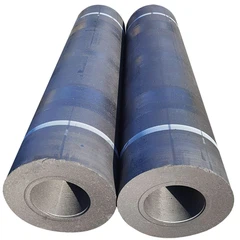
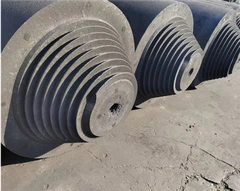
As a supplier of high power graphite electrodes, I often encounter questions from customers about the recyclability of these essential components in the metallurgical industry. High power graphite electrodes play a crucial role in electric arc furnaces (EAFs) and ladle furnaces, facilitating the melting and refining of metals. In this blog, we will delve into the topic of whether high power graphite electrodes can be recycled, exploring the processes, benefits, and challenges associated with their recycling.
The Role of High Power Graphite Electrodes
High power graphite electrodes are used in the steelmaking and non - ferrous metals production processes. In the steelmaking process, they are inserted into electric arc furnaces, where they conduct electricity to generate the high temperatures required to melt scrap steel or direct reduced iron. Graphite Electrode For Steel Making Process provides more in - depth information on their application in this field.
For non - ferrous metals production, such as copper, aluminum, and zinc smelting, high power graphite electrodes also play a vital role. They help in the efficient extraction and refining of these metals by providing the necessary heat energy. You can learn more about their use in non - ferrous metals production at Graphite Electrode For Non - ferrous Metals Production.
Can High Power Graphite Electrodes be Recycled?
The answer is yes, high power graphite electrodes can be recycled. The recycling process of graphite electrodes involves several steps, which aim to recover the valuable graphite material and reuse it in various applications.
Recycling Process
- Collection and Sorting: The first step in the recycling process is the collection of used graphite electrodes. These electrodes are usually collected from steel mills, foundries, and other metal - processing facilities. Once collected, they are sorted based on their size, quality, and degree of wear.
- Cleaning: After sorting, the used electrodes are cleaned to remove any impurities, such as metal residues, slag, and dirt. This can be done through mechanical cleaning methods, such as grinding and sandblasting, or chemical cleaning processes, depending on the nature of the impurities.
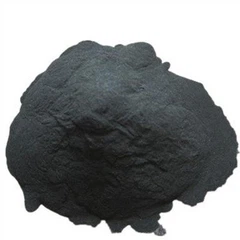
- Crushing and Milling: The cleaned electrodes are then crushed and milled into smaller particles. This increases the surface area of the graphite, making it easier to further process and purify.
- Purification: The crushed graphite particles are purified to remove any remaining impurities. This can be achieved through processes such as acid leaching, where the particles are treated with acids to dissolve the impurities, followed by filtration and washing to obtain pure graphite.
- Re - forming: The purified graphite powder can be re - formed into new graphite electrodes or used in other applications. For example, it can be mixed with binders and additives, and then molded and baked to produce new electrodes. Low - ash synthetic graphite electrodes, which are of high quality, can also be produced using recycled graphite. More details about low - ash synthetic graphite electrodes can be found at Low Ash Synthetic Graphite Electrode.
Benefits of Recycling High Power Graphite Electrodes
- Environmental Benefits: Recycling graphite electrodes reduces the need for virgin graphite extraction. Graphite mining can have significant environmental impacts, including deforestation, soil erosion, and water pollution. By recycling, we can conserve natural resources and minimize the environmental footprint of the graphite electrode industry.
- Cost Savings: Recycling graphite electrodes can lead to cost savings for both producers and consumers. For producers, using recycled graphite reduces the cost of raw materials. For consumers, the cost of recycled electrodes is often lower than that of new electrodes, which can result in reduced production costs in the metal - processing industry.
- Energy Efficiency: The recycling process generally consumes less energy compared to the production of new graphite electrodes from virgin materials. This is because the energy - intensive steps of graphite mining, purification, and electrode manufacturing are partially bypassed when using recycled graphite.
Challenges in Recycling High Power Graphite Electrodes
- Contamination: One of the main challenges in recycling graphite electrodes is contamination. During their use in metal - processing facilities, electrodes can be contaminated with various metals, slags, and other impurities. Removing these contaminants completely can be a complex and costly process.
- Quality Control: Ensuring the quality of recycled graphite electrodes is another challenge. The properties of recycled graphite, such as its electrical conductivity, thermal stability, and mechanical strength, may vary depending on the source and recycling process. Maintaining consistent quality is crucial for the reliable performance of recycled electrodes in metal - processing applications.
- Market Acceptance: There may be some resistance in the market to using recycled graphite electrodes. Some consumers may be skeptical about the quality and performance of recycled products. Overcoming this perception and building trust in the market is essential for the widespread adoption of recycled graphite electrodes.
Conclusion
In conclusion, high power graphite electrodes can be recycled through a series of well - defined processes. Recycling offers numerous benefits, including environmental protection, cost savings, and energy efficiency. However, there are also challenges that need to be addressed, such as contamination, quality control, and market acceptance.


As a supplier of high power graphite electrodes, we are committed to promoting the recycling of these electrodes. We believe that by investing in research and development, improving recycling technologies, and educating the market, we can overcome the challenges and make recycled graphite electrodes a viable and sustainable option in the metallurgical industry.
If you are interested in learning more about our high power graphite electrodes, whether new or recycled, or if you have any questions regarding the recycling process, please feel free to contact us for procurement discussions. We look forward to working with you to meet your graphite electrode needs.
References
- [1] "Graphite: A Versatile Material in the Metallurgical Industry", Metallurgical Journal, 20XX
- [2] "Recycling Technologies for Graphite Electrodes", Environmental Science and Technology Review, 20XX
- [3] "The Economic and Environmental Impact of Graphite Electrode Recycling", Journal of Sustainable Manufacturing, 20XX
Send Inquiry