

What is the energy consumption in the production of artificial graphite electrodes?
Dec 18, 2025
Leave a message
Hey there! As a supplier of artificial graphite electrodes, I often get asked about the energy consumption in the production of these electrodes. It's a crucial topic, not just for us in the industry but also for those who are environmentally conscious and looking to understand the bigger picture. So, let's dive right in and break down what goes into the energy consumption during the production of artificial graphite electrodes.
The Basics of Artificial Graphite Electrodes Production
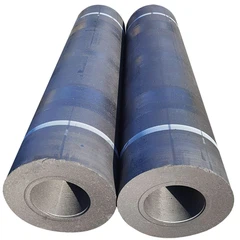
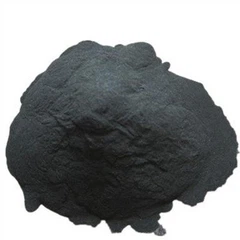
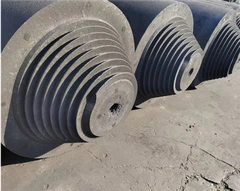
First off, let's talk a bit about how artificial graphite electrodes are made. The process starts with raw materials like petroleum coke and coal tar pitch. These materials are mixed together, shaped into the desired electrode form, and then baked at high temperatures. After baking, the electrodes go through a graphitization process, which is where they really turn into the high - quality graphite electrodes we're familiar with.
Energy - Intensive Steps in Production
Mixing and Shaping
The initial step of mixing the raw materials requires energy. We use large mixers to blend the petroleum coke and coal tar pitch thoroughly. These mixers are powered by electricity, and depending on the size of the operation, the energy consumption can vary. Smaller mixers might use a few kilowatts, while industrial - scale mixers can consume hundreds of kilowatts. The shaping process also needs energy. Whether it's extrusion or molding, machines are used to give the electrodes their final shape, and these machines run on electricity.
Baking
Baking is one of the most energy - intensive steps in the production of artificial graphite electrodes. The electrodes are placed in large ovens, and the temperature is gradually increased to around 1000 - 1300 degrees Celsius. This high - temperature baking helps to remove volatile components from the electrodes and strengthen their structure. The ovens are usually heated by natural gas or electricity. Natural gas is a popular choice because it can provide a high amount of heat efficiently. However, the energy required to heat the ovens to such high temperatures is substantial. For example, a medium - sized baking oven might consume several thousand cubic meters of natural gas or several megawatt - hours of electricity during a single baking cycle.
Graphitization
Graphitization is the final and perhaps the most energy - hungry step. In this process, the baked electrodes are heated to even higher temperatures, around 2500 - 3000 degrees Celsius. At these extreme temperatures, the carbon atoms in the electrodes rearrange themselves into a graphite structure. This process requires a significant amount of energy, usually in the form of electricity. Specialized graphitization furnaces are used, and they can consume tens of megawatt - hours of electricity per batch of electrodes. The high energy consumption is due to the need to maintain such a high temperature for an extended period to ensure proper graphitization.
Factors Affecting Energy Consumption
Scale of Production
The scale of production plays a huge role in energy consumption. Larger production facilities can often benefit from economies of scale. They can use more efficient equipment and spread the fixed energy costs over a larger number of electrodes. For example, a large - scale plant might be able to use a more advanced and energy - efficient baking oven that consumes less energy per electrode compared to a small - scale operation.
Raw Material Quality
The quality of the raw materials also affects energy consumption. Higher - quality petroleum coke and coal tar pitch might require less energy during the baking and graphitization processes. For instance, if the raw materials have fewer impurities, they might reach the desired properties at a lower temperature or in a shorter time, reducing the overall energy needed.
Technology and Equipment
The technology and equipment used in the production process are crucial. Newer, more advanced mixers, ovens, and graphitization furnaces are designed to be more energy - efficient. For example, some modern graphitization furnaces use advanced insulation materials to reduce heat loss, which in turn lowers the energy consumption. Upgrading to these energy - efficient technologies can significantly reduce the energy footprint of the production process.
Impact of Energy Consumption
Cost
High energy consumption directly translates into higher production costs. As energy prices fluctuate, the cost of producing artificial graphite electrodes can vary. This cost is then passed on to the customers to some extent. For us as a supplier, managing energy consumption is essential to remain competitive in the market.
Environmental Impact
The high energy consumption also has a significant environmental impact. If the energy is sourced from fossil fuels like natural gas or coal - fired electricity, it contributes to greenhouse gas emissions. As more and more companies are looking to reduce their carbon footprint, finding ways to lower energy consumption in the production of artificial graphite electrodes is becoming increasingly important.
Our Approach as a Supplier
At our company, we're constantly looking for ways to reduce energy consumption. We're investing in research and development to find more energy - efficient production methods. For example, we're exploring the use of alternative raw materials that might require less energy during processing. We're also upgrading our equipment to the latest, most energy - efficient models.
We understand that our customers are also concerned about the energy consumption and environmental impact of the products they buy. That's why we're committed to providing them with high - quality artificial graphite electrodes that are produced in the most sustainable way possible.
Related Products and Their Energy Considerations
If you're interested in specific applications of graphite electrodes, here are some related products that you might want to check out. You can learn more about Graphite Electrodes For Silver Refining. The energy consumption in silver refining using graphite electrodes can vary depending on the refining process and the size of the operation.
Another interesting option is Graphite Electrode Impregnation. The impregnation process can also have an impact on energy consumption, as it might involve heating and other energy - using steps.
And if you're in the copper smelting industry, you might want to look into Graphite Electrode For Copper Smelting Furnace. The energy needed for copper smelting with graphite electrodes is a significant factor in the overall cost and environmental impact of the process.
Let's Connect
If you're in the market for artificial graphite electrodes and want to learn more about our products, their energy consumption, and how we're working to make the production process more sustainable, we'd love to hear from you. Whether you're a small - scale user or a large industrial company, we can provide you with the right solutions. Don't hesitate to reach out for a quote or to discuss your specific requirements. We're here to help you make the best choice for your business.


References
- Brown, J. (2020). Energy Efficiency in Industrial Graphite Production. Journal of Industrial Energy Management.
- Green, M. (2019). The Environmental Impact of Graphite Electrode Production. Environmental Science Review.
- Smith, R. (2021). Advances in Graphite Electrode Manufacturing Technologies. Manufacturing Innovation Journal.
Send Inquiry