

What are the chemical properties of artificial graphite electrodes?
Jun 10, 2025
Leave a message
Hey there! As a supplier of artificial graphite electrodes, I'm super excited to chat with you about their chemical properties. These properties aren't just some boring technical details; they're what make artificial graphite electrodes so awesome in a bunch of different industries.
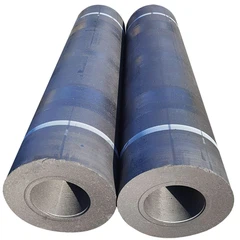
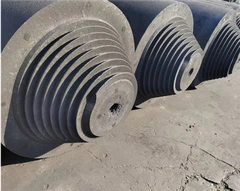
Let's start with the basics. Artificial graphite electrodes are made mainly of carbon, but they're not just any old carbon. They're highly crystalline, which gives them some really unique chemical characteristics. One of the most important things about these electrodes is their high thermal stability. This means they can handle crazy high temperatures without breaking down or changing their chemical makeup. In industries like steelmaking, where temperatures can soar up to thousands of degrees Celsius, this thermal stability is a game - changer.
When it comes to chemical reactivity, artificial graphite electrodes are pretty inert under normal conditions. They don't react easily with most chemicals, which is a huge plus. For example, in the presence of acids or bases, they remain stable. This inertness allows them to be used in a wide range of chemical processes without getting corroded or degraded. In fact, this property makes them ideal for applications in chemical plants where they might come into contact with various corrosive substances.
Another key chemical property is their low electrical resistivity. This is crucial because it allows for efficient transfer of electrical current. When you're using these electrodes in an electrical process, like in an electric arc furnace for steel production, you want as little energy as possible to be lost as heat. The low resistivity of artificial graphite electrodes ensures that most of the electrical energy is used for the intended purpose, whether it's melting metals or carrying out a chemical reaction.
Now, let's talk about some specific applications where these chemical properties really shine. In the field of induction heating, Low - resistance Graphite Electrodes For Induction Heating are a must - have. The low resistivity and high thermal stability of these electrodes make them perfect for quickly and efficiently heating up metals. The inertness also means that they won't contaminate the metal being heated, which is essential for maintaining the quality of the final product.
In the production of refractory materials, Graphite Electrode For Refractory Materials play a vital role. Refractory materials need to withstand extremely high temperatures, and so do the electrodes used in their production. The high thermal stability of artificial graphite electrodes allows them to be used in the high - temperature processes involved in making refractory bricks and other materials. And because they're chemically inert, they don't react with the raw materials of the refractories, ensuring a pure and high - quality end product.
For copper refining, Low - resistance Graphite Electrodes For Copper Refining are essential. The low resistivity enables efficient electrolysis, which is the key process in copper refining. During electrolysis, copper ions are deposited onto a cathode, and the graphite electrodes are used as anodes. Their chemical stability ensures that they don't dissolve or react with the electrolyte solution, allowing for a smooth and consistent refining process.
But it's not just about these specific applications. The chemical properties of artificial graphite electrodes also give them some general advantages. For example, they have a long service life. Because they're resistant to corrosion and degradation, they don't need to be replaced as often as other types of electrodes. This not only saves money but also reduces downtime in industrial processes.
The purity of artificial graphite electrodes is another important aspect. During the manufacturing process, efforts are made to ensure a high level of purity. This is because impurities can affect the chemical properties of the electrodes. For instance, even a small amount of certain impurities can increase the electrical resistivity or reduce the thermal stability. High - purity electrodes are especially important in applications where the slightest change in properties can have a big impact on the final product, like in the electronics industry.
In addition to their chemical stability, artificial graphite electrodes also have good mechanical properties. They're strong enough to withstand the physical stresses they might encounter during handling and use. This combination of good mechanical and chemical properties makes them very reliable in industrial settings.
If you're in the market for artificial graphite electrodes, you'll find that there are different grades available. These grades are designed to meet the specific requirements of different applications. For example, some grades might have an even lower resistivity for applications where maximum electrical efficiency is needed, while others might be more resistant to a particular type of chemical corrosion.
So, whether you're in the steel industry, chemical industry, or any other field that requires high - performance electrodes, artificial graphite electrodes are an excellent choice. Their unique chemical properties offer a wide range of benefits that can improve the efficiency, quality, and cost - effectiveness of your processes.


If you're interested in learning more about our artificial graphite electrodes or have any questions about how they can be used in your specific application, don't hesitate to reach out. We're here to help you find the perfect solution for your needs. Whether it's discussing the right grade of electrodes for your process or getting advice on installation and maintenance, we've got you covered. Let's start a conversation and see how we can work together to make your operations more successful.
References
- Various industry reports on the use of artificial graphite electrodes
- Research papers on the chemical properties of graphite materials
Send Inquiry