

What are the applications of Irregular Graphite Blocks in glass manufacturing?
Nov 10, 2025
Leave a message
Hey there! As a supplier of Irregular Graphite Blocks, I'm super stoked to chat with you about the awesome applications of these blocks in glass manufacturing.
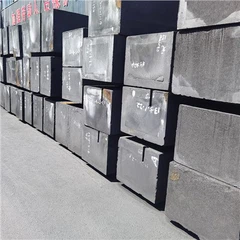
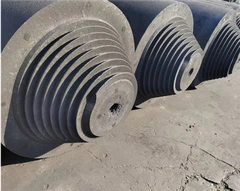
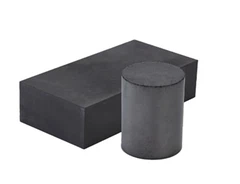
First off, let's get a bit of a lowdown on what Irregular Graphite Blocks are. You can check out more details about them Irregular Graphite Block. These blocks are made from high - quality graphite, which has some pretty unique properties. Graphite is known for its high thermal conductivity, chemical stability, and resistance to high temperatures. These features make it a top - notch material for various industrial applications, especially in glass manufacturing.
1. Glass Melting Crucibles
One of the most common applications of Irregular Graphite Blocks in glass manufacturing is in the production of glass melting crucibles. Glass melting is a high - temperature process, often requiring temperatures upwards of 1000°C. Graphite crucibles made from these blocks can withstand these extreme temperatures without deforming or reacting with the molten glass.
The high thermal conductivity of graphite ensures that heat is evenly distributed throughout the crucible. This means that the glass melts uniformly, reducing the chances of inhomogeneities in the final product. For example, in the production of precision optical glass, a uniform melt is crucial for achieving the desired optical properties.
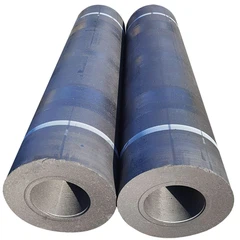
Graphite's chemical stability is also a huge advantage. It doesn't react with most glass - forming materials, so there's no contamination of the glass during the melting process. This is vital for producing high - quality glass, especially in applications where purity is of the essence, like in the manufacture of pharmaceutical glass containers. If you're interested in other graphite products for industrial use, you might want to take a look at Graphite Electrode Blocks For Aluminum Production.
2. Glass Molding and Shaping
Irregular Graphite Blocks are also used in the glass molding and shaping processes. When glass is being formed into specific shapes, such as bottles, jars, or seamless glass tubes, graphite molds can be used.
Graphite molds can be machined into the desired shape with high precision. The smooth surface of graphite allows the glass to release easily after molding, reducing the risk of surface defects on the glass product. Moreover, graphite's ability to withstand high temperatures means that it can endure the hot glass without losing its shape.
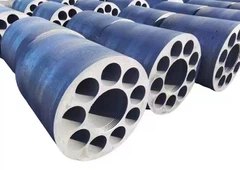
In the production of glass fibers, for instance, graphite spinnerets are used. These spinnerets have tiny holes through which the molten glass is extruded to form fibers. The high - temperature resistance and chemical stability of graphite ensure that the spinnerets can operate continuously under harsh conditions, producing high - quality glass fibers. And if you're involved in powder metallurgy, you might find Graphite Electrode Blocks For Powder Metallurgy useful.
3. Glass Annealing
Annealing is a crucial step in glass manufacturing. It involves slowly cooling the glass to relieve internal stresses and improve its strength and durability. Irregular Graphite Blocks can be used in annealing furnaces.
Graphite's high thermal conductivity helps in maintaining a consistent temperature gradient within the annealing furnace. This ensures that the glass cools evenly, reducing the likelihood of cracking or warping. By using graphite components in the annealing process, manufacturers can achieve better control over the cooling rate, which is essential for producing high - quality glass products.
4. Stirring and Mixing in Glass Production
During the glass - making process, it's often necessary to stir and mix the molten glass to ensure homogeneity. Graphite stirrers made from Irregular Graphite Blocks are commonly used for this purpose.


The high - temperature resistance of graphite allows the stirrers to operate in the molten glass for extended periods without degradation. The chemical inertness of graphite means that it won't contaminate the glass during the stirring process. This is particularly important in the production of specialty glasses, where even a small amount of contamination can significantly affect the glass's properties.
5. Protecting Heating Elements
In glass manufacturing furnaces, heating elements are used to reach the high temperatures required for melting glass. Irregular Graphite Blocks can be used as protective shields for these heating elements.
Graphite's high - temperature resistance and thermal insulation properties help to protect the heating elements from the harsh environment inside the furnace. It can prevent direct contact between the heating elements and the molten glass or other corrosive substances, thereby extending the lifespan of the heating elements and reducing maintenance costs.
Why Choose Our Irregular Graphite Blocks?
As a supplier, we take pride in offering high - quality Irregular Graphite Blocks. Our blocks are sourced from top - grade graphite materials and are manufactured using advanced techniques. We ensure strict quality control at every stage of production to guarantee that our products meet the highest standards.
We understand the unique requirements of the glass manufacturing industry, and our Irregular Graphite Blocks are designed to provide optimal performance in various glass - making processes. Whether you need graphite for crucibles, molds, or other applications, we've got you covered.
If you're in the glass manufacturing business and are looking for reliable Irregular Graphite Blocks, we'd love to hear from you. We can offer customized solutions to meet your specific needs. Don't hesitate to reach out to us to start a conversation about your graphite requirements. We're here to help you take your glass manufacturing to the next level.
References
- "Graphite in Industrial Applications" - A comprehensive guide on the uses of graphite in different industries.
- "Glass Manufacturing Technology" - A textbook that details the various processes involved in glass production and the materials used.
Send Inquiry