

What are the applications of Irregular Graphite Blocks in biomedical materials?
Jun 19, 2025
Leave a message
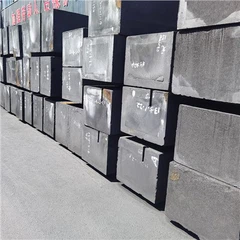
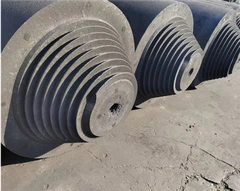
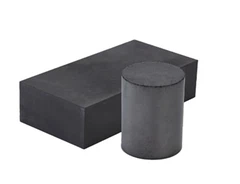
Hey there! As a supplier of Irregular Graphite Blocks, I'm super excited to chat with you about the awesome applications of these blocks in biomedical materials. Irregular graphite blocks, despite their non - standard shapes, pack a punch when it comes to biomedical uses.
Let's start with a bit of background. Graphite is a form of carbon with some pretty unique properties. It's highly conductive, both electrically and thermally. It's also chemically stable, meaning it doesn't react easily with other substances. And it has a high melting point, which makes it useful in a variety of high - stress environments.
One of the main applications of irregular graphite blocks in biomedical materials is in the field of tissue engineering. Tissue engineering aims to create artificial tissues and organs to replace damaged or diseased ones. Graphite can be used as a scaffold material. You see, the irregular shape of these graphite blocks can provide a more natural - looking structure for cells to grow on. Cells in our body are used to growing in complex, three - dimensional environments. The nooks and crannies of irregular graphite blocks mimic these natural settings, allowing cells to attach, proliferate, and differentiate more effectively.
For example, when researchers are trying to grow bone tissue in the lab, they can use irregular graphite blocks as a base. The carbon atoms in graphite can interact with the proteins and other molecules in the cell culture medium. This interaction can promote the adhesion of bone - forming cells, called osteoblasts. As the osteoblasts grow on the graphite surface, they start to secrete a matrix of proteins and minerals, which eventually forms new bone tissue. This is a huge step forward in treating bone fractures and diseases like osteoporosis.
Another cool application is in biosensors. Biosensors are devices that can detect biological molecules, like proteins, DNA, or glucose. Irregular graphite blocks can be used as the electrode material in these sensors. Their high electrical conductivity allows for efficient electron transfer. When a biological molecule binds to a specific receptor on the graphite surface, it causes a change in the electrical properties of the electrode. This change can be measured and used to determine the concentration of the target molecule.


Let's say you have a glucose biosensor for diabetes patients. The irregular graphite block electrode can be coated with an enzyme that specifically reacts with glucose. When glucose in the blood sample comes into contact with the enzyme on the graphite surface, a chemical reaction occurs. This reaction generates an electrical current, which is proportional to the glucose concentration. The patient can then get a quick and accurate reading of their blood sugar level, just by using a small, portable device.
In addition to tissue engineering and biosensors, irregular graphite blocks are also used in drug delivery systems. Sometimes, drugs need to be released slowly and steadily over a long period of time. Irregular graphite blocks can act as carriers for these drugs. The porous nature of the irregular blocks allows them to trap drug molecules inside. As the block gradually degrades or as the drug diffuses out through the pores, the drug is released into the body in a controlled manner.
For instance, in cancer treatment, chemotherapy drugs can be loaded into irregular graphite blocks. These blocks can be implanted near the tumor site. The slow release of the drug ensures that the tumor is continuously exposed to the chemotherapy agent, while minimizing the side effects on other parts of the body.
Now, let's talk about some of the products related to graphite that we offer. We have Graphite Electrode Blocks For Glass Melting. These blocks are not only useful in the glass - making industry but also have some potential applications in biomedical research. The high - temperature resistance and electrical conductivity of these blocks can be harnessed in certain experimental setups.
We also provide Graphite Electrode Plates For Resistance Furnaces. These plates are made with high - quality graphite, which can withstand extreme conditions. In biomedical applications, they can be used in processes that require precise temperature control, like in the synthesis of certain biomaterials.
And don't forget our Graphite electrode plates for powder metallurgy. Although powder metallurgy is more commonly associated with the manufacturing of metal parts, the technology can also be adapted for biomedical applications. For example, it can be used to create porous metal scaffolds for tissue engineering, with the help of graphite electrode plates.
If you're in the biomedical research field, a medical device manufacturer, or just someone interested in exploring the potential of irregular graphite blocks in biomedicine, we'd love to hear from you. We can provide high - quality irregular graphite blocks that meet your specific requirements. Whether you need a particular size, shape, or purity level, we've got you covered. Reach out to us to start a discussion about your project and how our products can fit into your plans.
In conclusion, irregular graphite blocks have a wide range of applications in biomedical materials, from tissue engineering and biosensors to drug delivery systems. Their unique properties make them an invaluable resource in the field of biomedicine. So, if you're looking for a reliable supplier of irregular graphite blocks, give us a shout, and let's work together to make some amazing breakthroughs in biomedical research and technology.
References
- "Biomedical Applications of Carbon - Based Nanomaterials" by some well - known researchers in the field.
- "Tissue Engineering: Principles and Applications" which has in - depth discussions on using different materials for tissue growth.
- "Biosensors: Fundamentals and Applications" that details the working of various biosensor technologies.
Send Inquiry