

What are the applications of graphite powder in the biomass energy industry?
Oct 21, 2025
Leave a message
In recent years, the biomass energy industry has emerged as a pivotal player in the global energy transition, offering sustainable and renewable alternatives to traditional fossil fuels. Amidst this transformative shift, graphite powder has emerged as a versatile and indispensable material, finding a wide range of applications that enhance the efficiency, performance, and sustainability of biomass energy systems. As a leading supplier of high-quality graphite powder, I am excited to explore the diverse applications of graphite powder in the biomass energy industry and highlight its potential to drive innovation and growth in this dynamic sector.


1. Biomass Gasification
Biomass gasification is a thermochemical process that converts biomass into a combustible gas known as syngas, which can be used for power generation, heating, or as a feedstock for the production of biofuels and chemicals. Graphite powder plays a crucial role in biomass gasification by acting as a catalyst and a heat transfer medium.
Catalytic Activity
Graphite powder exhibits excellent catalytic properties, which can enhance the gasification process by promoting the breakdown of biomass into syngas. The high surface area and unique crystal structure of graphite powder provide active sites for the adsorption and reaction of biomass molecules, facilitating the conversion of complex organic compounds into simpler gases such as hydrogen, carbon monoxide, and methane. By improving the gasification efficiency and selectivity, graphite powder can increase the yield of syngas and reduce the formation of undesirable by-products, such as tar and char.
Heat Transfer
In addition to its catalytic activity, graphite powder also serves as an effective heat transfer medium in biomass gasification reactors. The high thermal conductivity of graphite powder allows for efficient heat transfer from the heat source to the biomass feedstock, ensuring uniform heating and rapid reaction rates. This helps to optimize the gasification process and improve the overall energy efficiency of the system. Moreover, the use of graphite powder as a heat transfer medium can reduce the risk of hot spots and thermal gradients within the reactor, which can lead to uneven gasification and the formation of unwanted by-products.
2. Biomass Pyrolysis
Biomass pyrolysis is another thermochemical process that involves the decomposition of biomass in the absence of oxygen to produce biochar, bio-oil, and syngas. Graphite powder can be used in biomass pyrolysis to enhance the pyrolysis process and improve the quality of the pyrolysis products.
Pyrolysis Catalyst
Similar to its role in biomass gasification, graphite powder can act as a catalyst in biomass pyrolysis. By promoting the cracking and reforming of biomass molecules, graphite powder can increase the yield of bio-oil and improve its quality by reducing the oxygen content and increasing the heating value. Additionally, graphite powder can also facilitate the conversion of biochar into a more valuable product, such as activated carbon, by promoting the development of porosity and surface area.
Heat Transfer and Thermal Stability
Graphite powder can also be used as a heat transfer medium and a thermal stabilizer in biomass pyrolysis reactors. The high thermal conductivity of graphite powder ensures efficient heat transfer and uniform heating, while its high thermal stability allows it to withstand the high temperatures and harsh conditions of the pyrolysis process. This helps to prevent the degradation of the biomass feedstock and the formation of unwanted by-products, such as coke and tar. Moreover, the use of graphite powder as a thermal stabilizer can improve the safety and reliability of the pyrolysis system by reducing the risk of thermal runaway and explosion.
3. Biomass Combustion
Biomass combustion is the most common method of converting biomass into energy, where biomass is burned in the presence of oxygen to produce heat and electricity. Graphite powder can be used in biomass combustion to improve the combustion efficiency and reduce the emissions of pollutants.
Combustion Catalyst
Graphite powder can act as a combustion catalyst in biomass combustion, promoting the oxidation of biomass and improving the combustion efficiency. By increasing the reaction rate and reducing the ignition temperature, graphite powder can ensure more complete combustion of the biomass, resulting in higher energy output and lower emissions of unburned hydrocarbons, carbon monoxide, and particulate matter. Additionally, graphite powder can also help to reduce the formation of nitrogen oxides (NOx) by promoting the decomposition of nitrogen-containing compounds in the biomass.
Ash Sintering Prevention
One of the challenges in biomass combustion is the formation of ash, which can cause fouling, corrosion, and sintering in the combustion equipment. Graphite powder can be used to prevent ash sintering by acting as a lubricant and a dispersant. The high lubricity of graphite powder reduces the friction between the ash particles, preventing them from sticking together and forming large agglomerates. Moreover, the dispersive properties of graphite powder help to distribute the ash particles evenly throughout the combustion chamber, reducing the risk of localized hot spots and ash deposition.
4. Biomass Fuel Cells
Biomass fuel cells are electrochemical devices that convert the chemical energy of biomass directly into electricity. Graphite powder can be used in biomass fuel cells as an electrode material and a catalyst support.
Electrode Material
Graphite powder is an ideal electrode material for biomass fuel cells due to its high electrical conductivity, chemical stability, and porosity. The high electrical conductivity of graphite powder allows for efficient electron transfer between the electrode and the electrolyte, ensuring high power output and low internal resistance. The chemical stability of graphite powder ensures its resistance to corrosion and oxidation, even in the harsh environment of the fuel cell. The porosity of graphite powder provides a large surface area for the adsorption and reaction of biomass molecules, facilitating the electrochemical conversion of biomass into electricity.
Catalyst Support
In addition to its role as an electrode material, graphite powder can also serve as a catalyst support in biomass fuel cells. The high surface area and porous structure of graphite powder provide an ideal platform for the deposition and dispersion of catalysts, such as platinum, palladium, and ruthenium. By supporting the catalysts, graphite powder can increase their activity and stability, improving the performance and durability of the fuel cell.
Our Graphite Powder Products
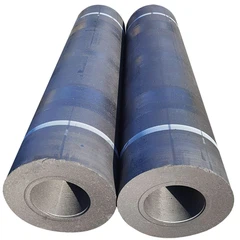
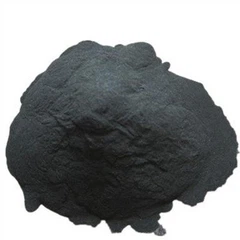
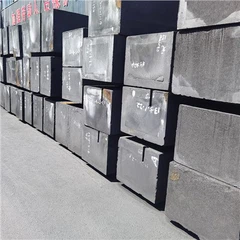
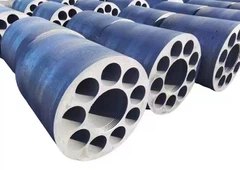
As a trusted supplier of graphite powder, we offer a wide range of high-quality graphite powder products to meet the diverse needs of the biomass energy industry. Our products include Carbon Graphite Powder, Superfine Graphite Powder, and UHP Graphite Powder, which are characterized by their high purity, fine particle size, and excellent physical and chemical properties.
Our carbon graphite powder is a versatile material that can be used in a variety of applications, including biomass gasification, pyrolysis, combustion, and fuel cells. It has a high carbon content and excellent thermal and electrical conductivity, making it an ideal choice for enhancing the performance and efficiency of biomass energy systems.
Our superfine graphite powder is specially designed for applications that require a high degree of fineness and purity. It has a particle size of less than 1 micron and a high surface area, which makes it an excellent catalyst and heat transfer medium. Our superfine graphite powder can be used to improve the gasification and pyrolysis efficiency of biomass, as well as the performance of biomass fuel cells.
Our UHP graphite powder is a high-purity graphite powder that is produced using advanced purification techniques. It has a purity of over 99.99% and excellent chemical stability, making it suitable for use in high-temperature and high-pressure applications. Our UHP graphite powder can be used in biomass gasification and pyrolysis reactors to improve the efficiency and selectivity of the process, as well as in biomass fuel cells to enhance the performance and durability of the electrodes.
Contact Us for Procurement and Collaboration
If you are interested in learning more about the applications of graphite powder in the biomass energy industry or would like to discuss your specific requirements, please do not hesitate to contact us. Our team of experts is dedicated to providing you with the best solutions and support to help you achieve your goals in the biomass energy sector. Whether you are looking for high-quality graphite powder products or technical assistance, we are here to help. Let's work together to drive innovation and growth in the biomass energy industry and create a more sustainable future for all.
References
- Demirbas, A. (2004). Progress and recent trends in biofuels. Energy Conversion and Management, 45(15-16), 2747-2762.
- Bridgwater, A. V. (2012). Review of fast pyrolysis of biomass and product upgrading. Biomass and Bioenergy, 38, 68-94.
- Reed, T. B., & Das, A. (2004). Handbook of biomass downdraft gasifier engine systems. NREL.
- Wang, H., & Kinoshita, K. (1993). Graphite intercalation compounds as electrode materials for lithium batteries. Journal of Power Sources, 43-44, 273-281.
Send Inquiry