

What are the applications of graphite blocks in water treatment?
Jul 02, 2025
Leave a message
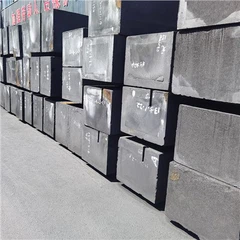
Graphite blocks have emerged as a remarkable material with diverse applications, and one area where they have shown great potential is water treatment. As a supplier of high - quality graphite blocks, I am excited to delve into the various ways these blocks are used in water treatment processes.
1. Electrochemical Water Treatment
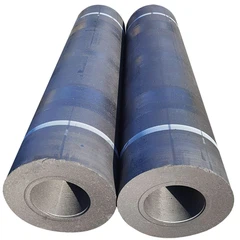
Graphite blocks serve as excellent electrodes in electrochemical water treatment systems. In processes like electrocoagulation, electro - oxidation, and electro - disinfection, graphite electrodes play a crucial role.
Electrocoagulation
Electrocoagulation is a process that involves the generation of coagulants in situ through the electrolytic dissolution of sacrificial anodes. Graphite blocks can be used as cathodes in such systems. When an electric current is passed through the water, metal ions are released from the sacrificial anodes, which react with the contaminants in the water. The graphite cathode provides a stable surface for the electrochemical reactions to occur. The coagulants formed help in aggregating suspended particles, colloids, and organic matter, making them easier to separate from the water. This process is effective in removing heavy metals, oils, and dyes from industrial wastewater. For example, in a textile manufacturing plant, electrocoagulation using graphite cathodes can significantly reduce the color and heavy metal content in the wastewater before it is discharged into the environment.
Electro - oxidation
Graphite electrodes are also widely used in electro - oxidation processes. In this method, the graphite anode facilitates the oxidation of organic pollutants in the water. The high electrical conductivity and chemical stability of graphite make it an ideal material for this application. When an electric potential is applied, hydroxyl radicals are generated at the graphite anode surface. These highly reactive radicals can break down complex organic molecules into simpler, more biodegradable compounds. This is particularly useful for treating wastewater containing persistent organic pollutants such as pesticides, pharmaceuticals, and endocrine - disrupting chemicals. For instance, in a pharmaceutical wastewater treatment facility, electro - oxidation with graphite electrodes can degrade the active pharmaceutical ingredients present in the water, reducing their environmental impact.
Electro - disinfection
Graphite electrodes can be employed in electro - disinfection systems to eliminate harmful microorganisms from water. When an electric current passes through the water, various disinfecting agents such as chlorine, ozone, and hydrogen peroxide are generated at the electrodes. Graphite's ability to withstand the harsh chemical environment during these reactions makes it a suitable choice. In a drinking water treatment plant, electro - disinfection using graphite electrodes can be an effective alternative to traditional disinfection methods, especially in areas where the use of chemical disinfectants is restricted or in small - scale water treatment systems.
2. Adsorption in Water Treatment
Graphite blocks have a high surface area and a porous structure, which makes them suitable for adsorption processes in water treatment.
Removal of Organic Compounds
The porous nature of graphite allows it to adsorb organic compounds from water. Organic pollutants such as benzene, toluene, and xylene (BTX) can be effectively removed from contaminated groundwater or industrial wastewater using graphite blocks. The adsorption process occurs due to the van der Waals forces between the organic molecules and the graphite surface. The large surface area of the graphite blocks provides numerous adsorption sites, increasing the efficiency of the removal process. For example, in an oil refinery, graphite block adsorbers can be used to treat the wastewater containing BTX compounds, preventing their release into the environment.
Heavy Metal Adsorption
Graphite can also adsorb heavy metals such as lead, mercury, and cadmium from water. The surface of graphite can be modified to enhance its affinity for specific heavy metals. For instance, by introducing functional groups on the graphite surface, the adsorption capacity for heavy metals can be significantly improved. In a mining wastewater treatment plant, graphite block adsorbers can be used to remove heavy metals, reducing the toxicity of the wastewater before it is discharged.
3. Filtration and Support Media
Graphite blocks can be used as filtration media or support media in water treatment systems.
Filtration
Graphite blocks with a specific pore size can act as filters to remove suspended solids from water. The pores in the graphite block allow water to pass through while trapping the solid particles. This is useful in pre - treatment processes to remove large particles before the water undergoes further treatment. For example, in a water treatment plant for a power generation facility, graphite block filters can be used to remove sand and other debris from the raw water, protecting the downstream treatment equipment.
Support Media
In some water treatment processes, such as packed - bed reactors, graphite blocks can be used as support media for the growth of microorganisms. The porous structure of the graphite provides a suitable environment for the attachment and growth of bacteria and other microorganisms. These microorganisms play a crucial role in the biodegradation of organic pollutants in the water. For example, in a biological wastewater treatment system, graphite blocks can support the growth of nitrifying and denitrifying bacteria, which help in the removal of nitrogen compounds from the wastewater.
4. Other Applications
Apart from the above - mentioned applications, graphite blocks have other potential uses in water treatment.
Catalyst Support
Graphite can serve as a support for catalysts in water treatment processes. Catalysts supported on graphite can enhance the rate of chemical reactions, such as the oxidation of pollutants. For example, a metal oxide catalyst supported on graphite can increase the efficiency of the electro - oxidation process, reducing the energy consumption and treatment time.
Heat Transfer in Water Treatment Systems
Graphite's high thermal conductivity makes it useful for heat transfer applications in water treatment systems. In some processes, such as evaporation and distillation, graphite blocks can be used to transfer heat efficiently. This can improve the energy efficiency of the water treatment process. For example, in a desalination plant using a thermal distillation method, graphite blocks can be used as heat transfer elements, reducing the energy required for water evaporation.
In conclusion, the applications of graphite blocks in water treatment are diverse and promising. From electrochemical treatment to adsorption, filtration, and other supporting roles, graphite blocks offer unique advantages due to their electrical conductivity, chemical stability, high surface area, and thermal conductivity. If you are interested in Graphite Electrode Blocks For Aluminum Production, Graphite Electrode Blocks For Glass Melting, or Graphite Electrode Plates For Resistance Furnaces, or any other graphite block products for water treatment or other applications, we are here to provide you with high - quality solutions. Our graphite blocks are manufactured to meet the highest industry standards, ensuring reliable performance in your water treatment processes. Contact us to discuss your specific requirements and explore the possibilities of using our graphite blocks in your projects.


References
- A. Bard, et al., “Electrochemical Methods: Fundamentals and Applications,” Wiley, 2001.
- R. Crittenden, et al., “Water Treatment: Principles and Design,” Wiley, 2012.
- J. Weber, “Environmental Engineering Chemistry: Fundamentals and Applications,” Wiley, 2010.
Send Inquiry