

Can synthetic graphite powder be used in sports equipment?
Jul 02, 2025
Leave a message
In the realm of modern sports, the quest for high - performance equipment is unending. Athletes and sports equipment manufacturers are constantly on the lookout for materials that can enhance performance, durability, and comfort. One such material that has been garnering attention is synthetic graphite powder. As a supplier of Synthetic Graphite Powder, I am excited to explore the potential of this remarkable substance in the sports equipment industry.
Understanding Synthetic Graphite Powder
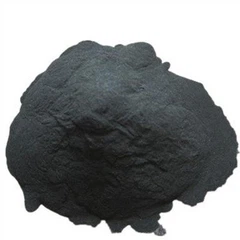
Synthetic graphite powder is a man - made form of graphite. It is produced through a high - temperature process that transforms carbon - rich materials into a highly crystalline form of carbon. The resulting powder has unique properties that make it suitable for a wide range of applications.
One of the most notable properties of synthetic graphite powder is its high thermal conductivity. This means that it can efficiently transfer heat away from the source. In sports equipment, this can be extremely beneficial, especially in items that generate a significant amount of heat during use. For example, in cycling, the brakes can heat up rapidly during intense descents. Incorporating synthetic graphite powder into the brake pads or other components can help dissipate this heat, preventing brake fade and ensuring consistent performance.
Another key property is its low coefficient of friction. Synthetic graphite powder acts as a solid lubricant, reducing the amount of friction between moving parts. In sports equipment, this can lead to smoother operation and less wear and tear. For instance, in the bearings of sports wheels, such as those on inline skates or skateboards, using synthetic graphite powder as a lubricant can improve the rolling efficiency and extend the lifespan of the bearings.
Applications in Sports Equipment
Tennis Rackets
Tennis rackets are a prime example of sports equipment that could benefit from synthetic graphite powder. The use of graphite composites in tennis rackets is already widespread, as graphite provides a good balance of strength and lightness. By adding synthetic graphite powder to the composite material, manufacturers can further enhance its performance.
The high strength - to - weight ratio of synthetic graphite powder allows for the creation of thinner and lighter racket frames without sacrificing durability. This enables players to swing the racket faster, generating more power in their shots. Additionally, the vibration - damping properties of graphite can be improved with the addition of synthetic graphite powder. When a player hits the ball, the racket experiences vibrations that can cause discomfort and affect control. The powder helps absorb these vibrations, providing a more comfortable and stable hitting experience.
Golf Clubs
Golf clubs also stand to gain from the use of synthetic graphite powder. In the shafts of golf clubs, synthetic graphite powder can be incorporated into the carbon fiber composites. This results in a shaft that is both lightweight and strong, allowing golfers to achieve greater clubhead speed. Faster clubhead speed translates into longer drives and more distance on the course.
Moreover, the improved vibration - damping characteristics of the powder can enhance the feel of the club. Golfers can better sense the impact of the ball on the clubface, giving them more control over their shots. The low - friction property of synthetic graphite powder can also be useful in the moving parts of the club, such as the adjustable hosel, ensuring smooth adjustments and consistent performance.
Ski Bindings
Ski bindings are critical components of skiing equipment, as they connect the skier's boots to the skis. Synthetic graphite powder can be used in the construction of ski bindings to improve their performance.
The low - friction property of the powder can ensure smooth operation of the binding's release mechanism. In case of a fall, the binding needs to release the boot quickly and reliably to prevent injury. By reducing the friction in the release mechanism, synthetic graphite powder helps ensure that the binding functions properly under all conditions. Additionally, the high thermal conductivity of the powder can prevent the binding from freezing in cold weather, which could otherwise lead to malfunction.
Comparison with Other Graphite - Based Powders
While synthetic graphite powder has many advantages, it's also important to compare it with other graphite - based powders, such as Graphite Oxide Powder and Superfine Graphite Powder.
Graphite oxide powder is an oxidized form of graphite that has different properties compared to synthetic graphite powder. It is often used in applications where its hydrophilic nature is required, such as in the production of graphene - based materials. However, in sports equipment applications, its properties may not be as well - suited as synthetic graphite powder. For example, graphite oxide powder may not have the same level of thermal conductivity or low - friction characteristics as synthetic graphite powder, making it less ideal for components that require heat dissipation or smooth operation.
Superfine graphite powder, on the other hand, has a very fine particle size. While this can offer some unique advantages, such as better dispersion in composites, it may not always provide the same level of performance as synthetic graphite powder. The highly crystalline structure of synthetic graphite powder gives it superior mechanical and thermal properties compared to superfine graphite powder in many cases.
Challenges and Considerations
Despite its many benefits, there are some challenges associated with using synthetic graphite powder in sports equipment. One of the main challenges is the cost. The production process of synthetic graphite powder is relatively complex, which can make it more expensive than other materials. This may limit its widespread adoption, especially in budget - conscious segments of the sports equipment market.
Another consideration is the processing of the powder. Incorporating synthetic graphite powder into sports equipment materials requires specialized manufacturing techniques. Ensuring a uniform distribution of the powder in the composite matrix is crucial for achieving consistent performance. Manufacturers need to invest in the necessary equipment and expertise to handle the powder properly.
Future Prospects
The future looks promising for the use of synthetic graphite powder in sports equipment. As technology advances, the cost of producing synthetic graphite powder is likely to decrease, making it more accessible to a wider range of manufacturers.
Research is also ongoing to develop new ways of incorporating synthetic graphite powder into sports equipment materials. For example, nanotechnology may be used to create even more efficient composites by precisely controlling the distribution of the powder at the nanoscale. This could lead to sports equipment with enhanced performance characteristics that were previously unattainable.
Conclusion
In conclusion, synthetic graphite powder has significant potential in the sports equipment industry. Its unique properties, such as high thermal conductivity, low coefficient of friction, and high strength - to - weight ratio, make it an attractive material for a variety of sports equipment applications. From tennis rackets and golf clubs to ski bindings, synthetic graphite powder can enhance performance, durability, and comfort.


As a supplier of Synthetic Graphite Powder, I am committed to working with sports equipment manufacturers to explore the full potential of this remarkable material. If you are a sports equipment manufacturer interested in learning more about how synthetic graphite powder can improve your products, or if you have any questions regarding its applications, please do not hesitate to contact us for a detailed discussion and potential procurement. We look forward to collaborating with you to take sports equipment performance to the next level.
References
- Ashby, M. F. (2005). Materials Selection in Mechanical Design. Butterworth - Heinemann.
- Callister, W. D., & Rethwisch, D. G. (2010). Materials Science and Engineering: An Introduction. Wiley.
- Jacobs, J. (2009). Engineering Materials Technology. Cengage Learning.
Send Inquiry