

What are the advantages of using graphite blocks?
Oct 17, 2025
Leave a message
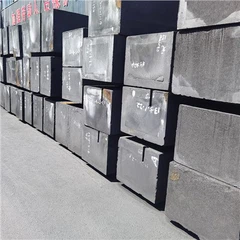
Graphite is a remarkable material with a wide range of industrial applications, and graphite blocks are among the most versatile and valuable forms in which it is utilized. As a supplier of high - quality graphite blocks, I have witnessed firsthand the numerous advantages that these products offer across various industries. In this blog post, I will delve into the key benefits of using graphite blocks, which can help businesses make informed decisions when considering this material for their operations.
High Thermal Conductivity
One of the most significant advantages of graphite blocks is their exceptional thermal conductivity. Graphite has a unique crystal structure that allows it to transfer heat very efficiently. This property makes graphite blocks ideal for applications where rapid heat dissipation or heat transfer is required.
In the field of metallurgy, for example, graphite blocks are used in crucibles for melting metals. The high thermal conductivity ensures that heat is evenly distributed throughout the crucible, allowing for efficient melting of the metal and reducing the risk of hot spots that could damage the crucible or affect the quality of the molten metal.
In electronic devices, graphite blocks can be used as heat sinks. With the increasing power density of modern electronics, effective heat management is crucial to prevent overheating and ensure the reliable operation of components. Graphite's ability to conduct heat away from sensitive electronic parts helps to extend the lifespan of these devices and maintain their performance.
Chemical Inertness
Graphite is highly resistant to chemical attack, making graphite blocks suitable for use in harsh chemical environments. They can withstand exposure to a wide range of acids, alkalis, and other corrosive substances without significant degradation.
In the chemical processing industry, graphite blocks are used in reactors, heat exchangers, and storage tanks. For instance, in the production of fertilizers, where strong acids and alkalis are often involved, graphite heat exchangers can transfer heat between different chemical streams without being corroded. This chemical inertness not only ensures the longevity of the equipment but also helps to maintain the purity of the chemical products being processed.
High Temperature Resistance
Graphite blocks can withstand extremely high temperatures without melting or deforming significantly. Graphite has a very high melting point (around 3652 - 3697 °C), which makes it suitable for use in high - temperature applications such as furnaces and foundries.
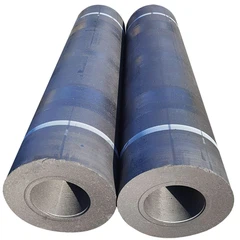
In glass manufacturing, Graphite Electrode Blocks For Glass Melting are used to heat the glass melt. The electrodes can operate at high temperatures for extended periods, providing a stable and efficient source of heat. This high - temperature resistance also allows for the production of high - quality glass with consistent properties.
Electrical Conductivity
Graphite is a good conductor of electricity, which makes graphite blocks valuable in electrical and electronic applications. In electrical furnaces, graphite electrodes are used to conduct electricity and generate heat through resistance heating.
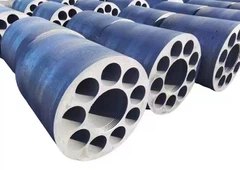
Graphite Electrode Plates For Resistance Furnaces are commonly used in resistance furnaces for processes such as annealing, hardening, and sintering. The electrical conductivity of graphite allows for precise control of the heating process, ensuring uniform heating of the materials being processed.
Machinability
Graphite is a relatively soft material compared to many metals, which makes it easy to machine into various shapes and sizes. This machinability is a significant advantage as it allows for the production of custom - designed graphite blocks to meet specific application requirements.
Manufacturers can easily cut, drill, and mill graphite blocks to create components with complex geometries. For example, in the aerospace industry, graphite blocks can be machined into lightweight and high - performance components such as seals and bearings. The ability to machine graphite into precise shapes also reduces the need for complex manufacturing processes, which can save time and cost.
Low Friction Coefficient
Graphite has a low friction coefficient, which means that it can reduce friction and wear when used in moving parts. This property makes graphite blocks suitable for use as bearings and seals in machinery.
In automotive engines, graphite - based bearings can reduce friction between moving parts, improving the efficiency of the engine and reducing energy consumption. The low friction also helps to minimize wear and tear on the components, extending their service life and reducing maintenance costs.
Self - Lubricating Property
In addition to its low friction coefficient, graphite has self - lubricating properties. This is due to the presence of weak van der Waals forces between the layers of graphite's crystal structure. When used in applications where lubrication is difficult or expensive to maintain, graphite blocks can provide their own lubrication.
For example, in some industrial machinery that operates in dirty or high - temperature environments, graphite - based seals can self - lubricate, ensuring smooth operation and preventing the ingress of contaminants. This self - lubricating property also reduces the need for external lubricants, which can simplify the design and maintenance of the machinery.


Lightweight
Compared to many metals, graphite is relatively lightweight. This makes graphite blocks an attractive option for applications where weight is a critical factor, such as in the aerospace and automotive industries.
In aerospace applications, using graphite blocks in components can help to reduce the overall weight of the aircraft, which in turn can improve fuel efficiency and increase payload capacity. In automotive applications, lightweight graphite components can contribute to better fuel economy and improved performance.
Environmental Friendliness
Graphite is a naturally occurring material, and its production generally has a lower environmental impact compared to some other materials. It is also recyclable, which means that graphite blocks can be reused or repurposed at the end of their service life.
In today's environmentally conscious world, using graphite blocks can help businesses reduce their carbon footprint and meet sustainability goals. For example, recycling graphite electrodes from electrical furnaces can reduce the demand for new raw materials and minimize waste generation.
Applications in Different Industries
The advantages of graphite blocks have led to their widespread use in various industries. In addition to the industries mentioned above, graphite blocks are also used in the nuclear industry. Graphite is used as a moderator in some nuclear reactors to slow down neutrons, which is essential for maintaining a controlled nuclear chain reaction.
In the semiconductor industry, Graphite Electrode Squares are used in the production of silicon wafers. The high purity and electrical conductivity of graphite make it suitable for use in processes such as chemical vapor deposition and annealing.
Conclusion
The advantages of using graphite blocks are numerous and diverse, making them a valuable material in a wide range of industrial applications. From their high thermal and electrical conductivity to their chemical inertness, high temperature resistance, and machinability, graphite blocks offer solutions to many engineering challenges.
If you are interested in exploring the potential of graphite blocks for your business, I encourage you to reach out to me. As a reliable supplier of graphite blocks, I can provide you with high - quality products tailored to your specific needs. Whether you are in the glass manufacturing, metallurgy, electronics, or any other industry, graphite blocks can offer significant benefits. Contact me to start a discussion about your requirements and how graphite blocks can enhance your operations.
References
- "Graphite: A Versatile Industrial Material" by Industrial Minerals Association.
- "Advanced Materials in Engineering Applications" by Engineering Materials Publishing.
- "Handbook of Graphite and Carbon Materials" by Academic Press.
Send Inquiry