

Can high purity graphite powder be used in medical applications?
Oct 17, 2025
Leave a message
As a supplier of high purity graphite powder, I've often been asked about its potential applications in the medical field. High purity graphite powder is a remarkable material with unique properties, and the question of its medical use is both intriguing and significant. In this blog, we'll explore the scientific basis, potential applications, and challenges associated with using high purity graphite powder in medical applications.
Properties of High Purity Graphite Powder
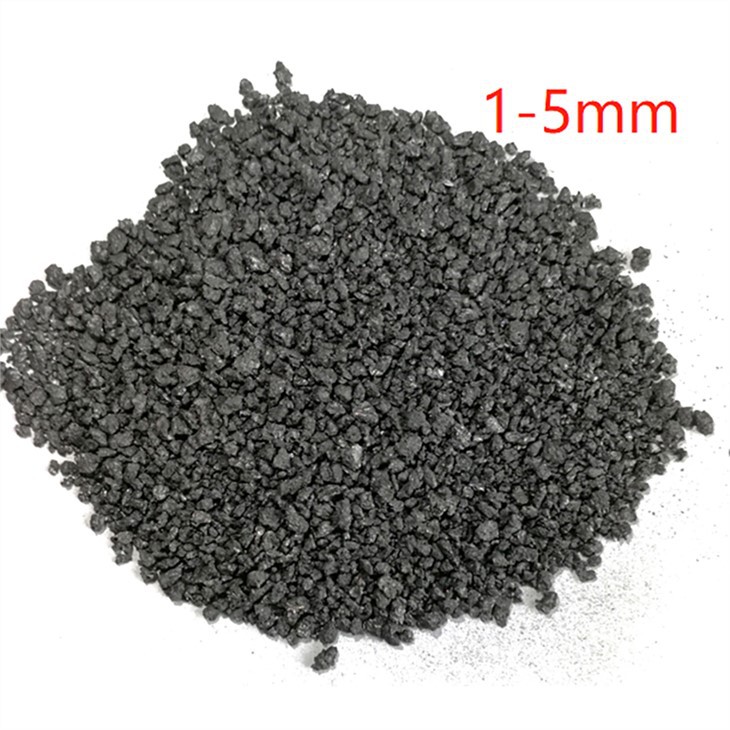
High purity graphite powder is characterized by its high carbon content, typically over 99%. It has excellent thermal conductivity, electrical conductivity, chemical stability, and lubricity. These properties make it a versatile material in various industries, such as electronics, aerospace, and automotive.
Thermal conductivity is one of the most notable properties of graphite. It can efficiently transfer heat, which is crucial in applications where heat dissipation is required. Electrical conductivity allows graphite to be used in electrical components and sensors. Chemical stability means that graphite is resistant to most chemicals, making it suitable for use in harsh environments. Lubricity, on the other hand, reduces friction and wear, which is beneficial in mechanical applications.

Potential Medical Applications
Drug Delivery Systems
One of the most promising areas for high purity graphite powder in medicine is drug delivery. Graphite nanoparticles can be engineered to encapsulate drugs and release them in a controlled manner. This targeted drug delivery approach can improve the efficacy of drugs and reduce their side effects. For example, graphite oxide powder Graphite Oxide Powder can be functionalized with specific ligands that can bind to cancer cells. Once the nanoparticles reach the cancer cells, they can release the encapsulated drug, delivering a high dose of the drug directly to the tumor site.
Biosensors
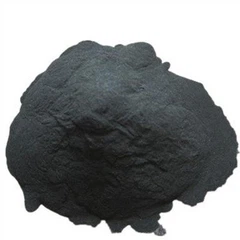
High purity graphite powder can also be used in biosensors. Biosensors are devices that detect and measure biological molecules, such as proteins, DNA, and glucose. Graphite's electrical conductivity makes it an ideal material for the construction of biosensors. For instance, synthetic graphite powder Synthetic Graphite Powder can be used as an electrode material in electrochemical biosensors. These biosensors can detect the presence of specific biomolecules by measuring changes in electrical current or potential.
Tissue Engineering
In tissue engineering, high purity graphite powder can be used as a scaffold material. Scaffolds provide a three - dimensional structure for cells to grow and differentiate. Graphite's biocompatibility and mechanical properties make it a potential candidate for tissue engineering applications. Artificial graphite powder Artificial Graphite Powder can be fabricated into porous scaffolds that mimic the extracellular matrix of tissues. Cells can attach to these scaffolds and grow into functional tissues.
Hyperthermia Treatment
Graphite nanoparticles can absorb near - infrared light and convert it into heat. This property can be utilized in hyperthermia treatment for cancer. By injecting graphite nanoparticles into the tumor and irradiating the area with near - infrared light, the nanoparticles can generate heat, which can kill cancer cells while minimizing damage to surrounding healthy tissues.
Challenges and Considerations
Biocompatibility
Although graphite is generally considered to be biocompatible, there are still concerns about its long - term effects on the human body. When using high purity graphite powder in medical applications, it is essential to ensure that it does not cause any adverse immune responses or toxicity. Extensive in vitro and in vivo studies are required to evaluate the biocompatibility of graphite - based materials.
Regulatory Approval
The medical industry is highly regulated, and any new material or device must obtain regulatory approval before it can be used in clinical applications. High purity graphite powder and its medical applications need to meet the strict standards set by regulatory agencies, such as the Food and Drug Administration (FDA) in the United States. This process can be time - consuming and costly.
Manufacturing and Quality Control
To ensure the safety and efficacy of high purity graphite powder in medical applications, strict manufacturing and quality control processes are required. The production of graphite nanoparticles with consistent size, shape, and surface properties is challenging. Any variation in these parameters can affect the performance of the medical product.
Conclusion
High purity graphite powder has significant potential in medical applications, including drug delivery, biosensors, tissue engineering, and hyperthermia treatment. However, there are still challenges to overcome, such as biocompatibility, regulatory approval, and manufacturing quality control. As a supplier of high purity graphite powder, we are committed to working with researchers and medical professionals to address these challenges and explore the full potential of this remarkable material.
If you are interested in learning more about high purity graphite powder for medical applications or would like to discuss potential procurement opportunities, please feel free to contact us. We look forward to the possibility of collaborating with you to develop innovative medical solutions.
References
- Zhang, X., & Wang, Y. (2018). Graphite Nanoparticles for Biomedical Applications. Nanomaterials, 8(4), 238.
- Wang, L., & Li, J. (2019). Biosensors Based on Graphite Materials. Sensors, 19(2), 378.
- Chen, S., & Liu, H. (2020). Tissue Engineering Scaffolds Made of Graphite - Based Materials. Biomaterials Science, 8(7), 2011 - 2020.
Send Inquiry