

How to select an appropriate irregular graphite block for a specific application?
Jun 18, 2025
Leave a message
When it comes to selecting an appropriate irregular graphite block for a specific application, there are numerous factors that need to be carefully considered. As a supplier of irregular graphite blocks, I've witnessed firsthand the diverse requirements of different industries and applications. In this blog, I'll share some insights on how to make the right choice.


Understanding the Basics of Irregular Graphite Blocks
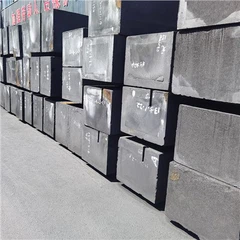
Graphite is a form of carbon with unique properties that make it highly suitable for a wide range of applications. Irregular graphite blocks, as the name suggests, do not have a standard, regular shape. They can be customized to meet specific design and performance requirements. The key properties of graphite that make it valuable include high thermal conductivity, excellent electrical conductivity, chemical resistance, and good lubricity.
Factors to Consider When Selecting Irregular Graphite Blocks
1. Application Requirements
The first step in selecting an irregular graphite block is to clearly define the application. Different applications have different demands. For example, in the field of powder metallurgy, graphite electrode plates are used for various processes. Graphite electrode plates for powder metallurgy need to have high purity and good electrical conductivity to ensure efficient and accurate sintering processes.
If the application involves high - temperature environments, such as in some furnace applications, the graphite block must be able to withstand extreme heat without significant degradation. The thermal expansion coefficient of the graphite becomes a crucial factor. A low thermal expansion coefficient means that the block will not crack or deform easily when exposed to rapid temperature changes.
2. Purity
The purity of the graphite block is of utmost importance, especially in applications where contamination can have a significant impact on the final product. In semiconductor manufacturing, for instance, even a small amount of impurity in the graphite can lead to defects in the semiconductor chips. High - purity graphite blocks are often required in such applications. The supplier should be able to provide detailed information about the purity level of the graphite, including the analysis of trace elements.
3. Density
The density of the graphite block affects its mechanical strength, thermal conductivity, and porosity. A higher - density graphite block generally has better mechanical properties and lower porosity. This makes it more suitable for applications where the block will be subjected to high mechanical stress, such as in some machining operations. However, in applications where gas permeability is required, a lower - density graphite block might be more appropriate.
4. Grain Size
The grain size of the graphite has an impact on its surface finish and machining characteristics. Fine - grained graphite typically has a smoother surface finish, which is desirable in applications where precision is required. It also tends to have better mechanical properties. On the other hand, coarse - grained graphite may be more suitable for applications where high thermal conductivity is the primary concern.
5. Machinability
If the irregular graphite block needs to be further processed into a specific shape, its machinability becomes an important consideration. Some graphite materials are easier to machine than others. Factors such as the hardness, brittleness, and grain structure of the graphite affect its machinability. A graphite block that is easy to machine can reduce production time and costs.
Examples of Specific Applications and Suitable Graphite Blocks
Powder Metallurgy
In powder metallurgy, Graphite Electrode Blocks For Powder Metallurgy play a vital role. These blocks need to have high electrical conductivity to ensure uniform heating during the sintering process. High - purity graphite is preferred to avoid any contamination of the metal powder. The density of the graphite should be carefully selected to balance the mechanical strength and electrical conductivity requirements.
Electrical Discharge Machining (EDM)
In EDM, Graphite Block After Processing Electrode is used as an electrode. The graphite block should have good electrical conductivity and low wear rate. Fine - grained graphite is often used in EDM applications to achieve high - precision machining and a smooth surface finish on the workpiece.
Working with a Reliable Supplier
As a supplier of irregular graphite blocks, I understand the importance of providing high - quality products and excellent customer service. A reliable supplier should be able to offer a wide range of graphite block options, including different purities, densities, and grain sizes. They should also have the expertise to help customers select the most appropriate graphite block for their specific applications.
When choosing a supplier, consider their experience in the industry, their manufacturing capabilities, and their quality control processes. A supplier with a good reputation will be more likely to provide consistent, high - quality products. They should also be able to offer technical support and advice throughout the selection and application process.
Conclusion
Selecting an appropriate irregular graphite block for a specific application is a complex process that requires a thorough understanding of the application requirements and the properties of graphite. By considering factors such as application requirements, purity, density, grain size, and machinability, and working with a reliable supplier, you can ensure that you get the right graphite block for your needs.
If you are in the market for irregular graphite blocks and need help with the selection process or have any questions about our products, please feel free to contact us. We are committed to providing you with the best solutions for your specific applications.
References
- "Graphite: Properties, Processing, and Applications" by John Doe
- "Advanced Materials for High - Temperature Applications" edited by Jane Smith
- Industry reports on powder metallurgy and electrical discharge machining.
Send Inquiry