

How is Carbon Graphite Powder used in fuel cells?
Aug 07, 2025
Leave a message
Carbon graphite powder is a remarkable material with a wide range of applications, and one of the most promising and exciting areas is its use in fuel cells. As a supplier of high - quality carbon graphite powder, I have witnessed firsthand how this material contributes to the development and performance of fuel cells. In this blog, I will explore in detail how carbon graphite powder is used in fuel cells.
The Basics of Fuel Cells
Before delving into the role of carbon graphite powder, it's essential to understand what fuel cells are. A fuel cell is an electrochemical device that converts the chemical energy from a fuel, such as hydrogen, directly into electricity through a chemical reaction with oxygen or another oxidizing agent. Unlike traditional combustion engines, fuel cells operate without combustion, which makes them more efficient and produces fewer pollutants.
Fuel cells consist of three main components: an anode, a cathode, and an electrolyte. At the anode, fuel is oxidized, releasing electrons and ions. The electrons flow through an external circuit, generating an electric current, while the ions move through the electrolyte to the cathode. At the cathode, the ions, electrons, and an oxidant combine to form a by - product, typically water in the case of hydrogen fuel cells.
Properties of Carbon Graphite Powder
Carbon graphite powder possesses several properties that make it highly suitable for fuel cell applications:
- High Electrical Conductivity: Graphite is an excellent conductor of electricity. Its unique structure, with delocalized electrons in its hexagonal layers, allows for efficient electron flow. This property is crucial in fuel cells, where electrons need to be transported from the anode to the cathode through an external circuit to generate electricity.
- Chemical Inertness: Carbon graphite powder is chemically stable and resistant to corrosion. In the harsh chemical environment of a fuel cell, where strong oxidizing and reducing agents are present, the chemical inertness of graphite ensures its long - term durability and reliability.
- High Thermal Conductivity: Fuel cells generate heat during operation. The high thermal conductivity of carbon graphite powder helps in dissipating this heat, preventing overheating and maintaining the optimal operating temperature of the fuel cell.
- Porosity: Graphite powder can be engineered to have a porous structure. This porosity is beneficial as it provides a large surface area for the electrochemical reactions to occur, enhancing the efficiency of the fuel cell.
Applications of Carbon Graphite Powder in Fuel Cells
Bipolar Plates
Bipolar plates are one of the most critical components in a fuel cell stack. They serve multiple functions, including separating individual cells in the stack, distributing fuel and oxidant gases evenly across the electrodes, collecting and conducting the generated electricity, and providing mechanical support.
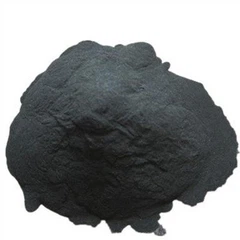
Carbon graphite powder is widely used in the manufacturing of bipolar plates. By mixing graphite powder with a binder and then molding and sintering the mixture, high - performance bipolar plates can be produced. The high electrical conductivity of graphite ensures efficient electron transfer between cells, while its chemical inertness protects the plates from corrosion in the acidic or alkaline environment of the fuel cell. Additionally, the porosity of the graphite - based bipolar plates can be controlled to optimize gas diffusion, allowing for better reactant distribution and improved cell performance.
We offer different types of graphite powder for bipolar plate applications, such as UHP Graphite Powder and High Purity Graphite Powder. These high - purity graphite powders have fewer impurities, which can further enhance the electrical and chemical properties of the bipolar plates.
Gas Diffusion Layers
Gas diffusion layers (GDLs) are located between the bipolar plates and the electrodes in a fuel cell. Their main function is to facilitate the transport of reactant gases (fuel and oxidant) from the bipolar plates to the catalyst layer and to remove the reaction products, such as water, from the catalyst layer.
Carbon graphite powder is a key material for GDLs. The porous structure of graphite powder allows for efficient gas diffusion. When the graphite powder is processed into a GDL, it forms a network of pores that enable the smooth flow of gases. Moreover, the electrical conductivity of graphite helps in conducting electrons from the catalyst layer to the bipolar plate. Natural Flake Graphite Powder is often used in GDLs due to its unique flake - like structure, which can provide better gas diffusion and electrical conductivity.
Catalyst Supports
In fuel cells, catalysts are used to speed up the electrochemical reactions at the anode and cathode. Carbon graphite powder can serve as a support material for these catalysts. The large surface area of the graphite powder provides a platform for the dispersion of catalyst particles, increasing the contact area between the catalyst and the reactants and thus enhancing the catalytic activity.
The chemical stability of graphite ensures that the catalyst support remains intact during the fuel cell operation, preventing the aggregation and sintering of catalyst particles, which can reduce their activity. By using carbon graphite powder as a catalyst support, the overall performance and durability of the fuel cell can be significantly improved.
Advantages of Using Our Carbon Graphite Powder in Fuel Cells
As a supplier, we take pride in offering high - quality carbon graphite powder for fuel cell applications. Our products have the following advantages:


- Consistent Quality: We have strict quality control measures in place to ensure that each batch of graphite powder meets the highest standards. This consistency is crucial for fuel cell manufacturers, as it allows for reliable and reproducible fuel cell performance.
- Customization: We understand that different fuel cell designs may require specific properties of graphite powder. Therefore, we offer customization services, adjusting the particle size, purity, and porosity of the graphite powder according to the customer's requirements.
- Technical Support: Our team of experts is always ready to provide technical support to our customers. Whether it's advice on the selection of the right graphite powder or assistance with the manufacturing process, we are committed to helping our customers achieve the best results in their fuel cell applications.
Future Outlook
The demand for fuel cells is expected to grow significantly in the coming years, driven by the increasing need for clean and efficient energy sources. As a result, the demand for high - quality carbon graphite powder for fuel cell applications will also increase.
We are constantly investing in research and development to improve the properties of our carbon graphite powder and to develop new products that can better meet the evolving needs of the fuel cell industry. We believe that carbon graphite powder will continue to play a vital role in the development and commercialization of fuel cells, contributing to a more sustainable and clean energy future.
Contact for Procurement
If you are involved in the fuel cell industry and are looking for high - quality carbon graphite powder, we would be delighted to discuss your requirements. Our experienced sales team is ready to provide you with detailed product information and competitive pricing. Please feel free to reach out to us to start a procurement negotiation.
References
- Larminie, J., & Dicks, A. (2003). Fuel Cell Systems Explained. Wiley.
- Vielstich, W., Lamm, A., & Gasteiger, H. A. (2003). Handbook of Fuel Cells: Fundamentals, Technology, and Applications. Wiley.
- Zhang, J., & Shen, P. K. (2011). Carbon materials for electrochemical capacitors. Chemical Society Reviews, 40(2), 797 - 828.
Send Inquiry