

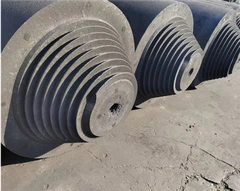
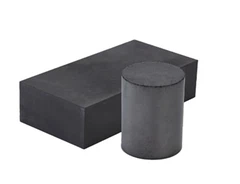
How does the density of High Power Graphite Electrode impact its properties?
Nov 26, 2025
Leave a message
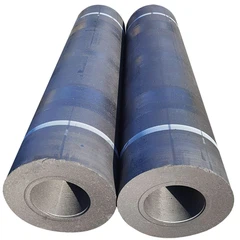
Hey there! As a supplier of High Power Graphite Electrodes, I've been getting a lot of questions lately about how the density of these electrodes impacts their properties. So, I thought I'd sit down and write this blog to share some insights.
Let's start by understanding what density means in the context of High Power Graphite Electrodes. Density is basically the mass of the electrode per unit volume. It's a crucial characteristic because it can have a significant influence on several key properties of the electrode.
One of the most important properties affected by density is the electrical conductivity. Generally speaking, a higher density graphite electrode tends to have better electrical conductivity. This is because a denser structure means there are more carbon atoms packed closely together. These carbon atoms form a more continuous network, which allows electrons to flow more easily through the electrode. When you're using these electrodes in an electric furnace, for example, better electrical conductivity means more efficient energy transfer. You can get the same amount of heat with less energy input, which is a huge plus for cost - effectiveness. If you're interested in Graphite Electrode For Electric Furnace, you can check out this link: Graphite Electrode For Electric Furnace.
Another property that's closely related to density is mechanical strength. A denser graphite electrode is usually stronger and more resistant to mechanical stress. In industrial applications, these electrodes are often subjected to a lot of mechanical forces during handling, installation, and operation. For instance, when they're being inserted into a furnace or when there are vibrations during the melting process. A high - density electrode is less likely to crack or break under these conditions. This not only reduces the risk of production disruptions but also saves on replacement costs.
Thermal conductivity is also affected by the density of the graphite electrode. Higher density electrodes typically have better thermal conductivity. This is essential because in high - temperature applications, like steelmaking or manganese refining, the electrode needs to be able to dissipate heat effectively. If the heat can't be transferred away quickly, it can lead to overheating of the electrode, which can cause it to degrade faster. And if you're involved in manganese refining, you might want to take a look at Graphite Electrodes For Manganese Refining.
Now, let's talk about oxidation resistance. Oxidation is a major concern when using graphite electrodes in high - temperature environments. Oxygen in the air can react with the carbon in the electrode, causing it to wear away. A denser electrode has better oxidation resistance. The closer packing of carbon atoms makes it more difficult for oxygen molecules to penetrate the electrode structure and react with the carbon. This means that a high - density electrode will have a longer service life, which is a huge advantage for industries that rely on these electrodes for continuous production.
However, it's not all about high density being better in every situation. Sometimes, a lower density electrode might be preferred for certain applications. For example, if you need an electrode with better porosity. Lower density electrodes tend to have more pores, which can be useful in some processes where gas permeability is required. These pores can allow gases to pass through the electrode, which can be beneficial in some chemical reactions or in processes where gas injection is involved.
When it comes to the manufacturing process, controlling the density of the graphite electrode is a bit of an art. We use different raw materials and processing techniques to achieve the desired density. The type of coke used, the binder, and the heat - treatment process all play a role. For example, using high - quality needle coke can help in achieving a higher density. And the heat - treatment temperature and time can also be adjusted to modify the density and other properties of the final product.
If you're looking for a higher quality option, you might be interested in Higher Purity Graphite Electrode. Higher purity electrodes often have more consistent density and better overall performance.
As a supplier, I know that choosing the right graphite electrode with the appropriate density is crucial for your operations. Whether you're in the steel industry, the manganese refining business, or any other industry that uses these electrodes, getting the density right can make a big difference in terms of cost, efficiency, and product quality.


So, if you're in the market for High Power Graphite Electrodes and want to discuss which density is best for your specific application, don't hesitate to reach out. We're here to help you make the right choice and ensure that your production runs smoothly.
References
- "Graphite Electrodes: Properties and Applications" - A technical guide on graphite electrodes
- Industry research papers on high - power graphite electrode manufacturing and performance
So, come and have a chat with us about your graphite electrode needs. We're confident that we can provide you with the best solution for your business.
Send Inquiry