

How can the oxidation resistance of a graphite block be improved?
Jan 09, 2026
Leave a message
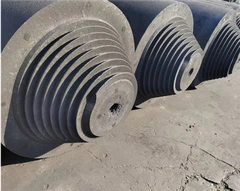
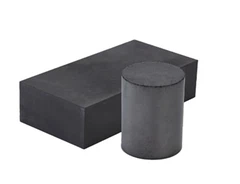
Graphite blocks are essential materials in various industrial applications due to their excellent thermal conductivity, high-temperature resistance, and good electrical conductivity. However, one of the major challenges with graphite blocks is their susceptibility to oxidation at high temperatures, which can significantly reduce their lifespan and performance. As a leading graphite block supplier, we understand the importance of improving the oxidation resistance of our products to meet the demanding requirements of our customers. In this blog post, we will explore several effective methods to enhance the oxidation resistance of graphite blocks.
Understanding the Oxidation Mechanism of Graphite Blocks
Before delving into the ways to improve oxidation resistance, it is crucial to understand how graphite blocks oxidize. Graphite begins to oxidize at temperatures above 400°C in the presence of oxygen. The oxidation process involves the reaction of carbon atoms in the graphite structure with oxygen molecules, resulting in the formation of carbon monoxide (CO) and carbon dioxide (CO₂). This reaction not only erodes the surface of the graphite block but also weakens its internal structure over time, leading to a decrease in mechanical strength and other performance properties.
Coating Technologies
One of the most common and effective ways to improve the oxidation resistance of graphite blocks is by applying coatings. These coatings act as a physical barrier between the graphite surface and the oxidizing environment, preventing or delaying the oxidation reaction.
Ceramic Coatings: Ceramic materials such as silicon carbide (SiC), aluminum oxide (Al₂O₃), and zirconium oxide (ZrO₂) are often used as coatings for graphite blocks. These ceramics have high melting points, excellent chemical stability, and low oxygen permeability. For example, a silicon carbide coating can be applied to the graphite surface through chemical vapor deposition (CVD) or slurry coating methods. The SiC coating forms a dense layer that protects the graphite from direct contact with oxygen, significantly improving its oxidation resistance at high temperatures.
Glass Coatings: Glass coatings are another option for enhancing the oxidation resistance of graphite blocks. Glasses with low melting points can be applied to the graphite surface and then heated to form a continuous, protective layer. These glass coatings can seal the pores and cracks on the graphite surface, preventing oxygen from penetrating into the interior of the block. Additionally, glass coatings can flow and self - heal at high temperatures, maintaining their protective function even under harsh conditions.
Alloying and Doping
Alloying and doping graphite with certain elements can also improve its oxidation resistance. By adding elements such as boron, silicon, and phosphorus to the graphite matrix, the oxidation behavior of the graphite can be altered.
Boron Doping: Boron has a strong affinity for oxygen and can react with oxygen to form boron oxides. When boron is doped into graphite, it can preferentially react with oxygen at the surface, forming a protective boron oxide layer. This layer can act as a barrier to further oxidation and also reduce the rate of carbon - oxygen reaction. Studies have shown that boron - doped graphite can exhibit significantly improved oxidation resistance compared to pure graphite.
Silicon Alloying: Silicon can react with carbon in graphite to form silicon carbide (SiC) in situ during high - temperature processing. The formation of SiC within the graphite structure can enhance the oxidation resistance of the graphite block. Silicon - alloyed graphite has better thermal stability and oxidation resistance, making it suitable for applications in high - temperature environments.
Controlling the Graphite Microstructure
The microstructure of graphite also plays an important role in its oxidation resistance. By controlling the grain size, porosity, and orientation of graphite crystals, the oxidation behavior of graphite blocks can be optimized.
Fine - Grained Graphite: Fine - grained graphite generally has better oxidation resistance than coarse - grained graphite. This is because fine - grained graphite has a larger grain boundary area, which can act as a barrier to oxygen diffusion. Oxygen molecules have a more difficult time diffusing through the dense grain boundaries of fine - grained graphite, slowing down the oxidation reaction.
Low - Porosity Graphite: Porosity is a major factor that affects the oxidation rate of graphite blocks. High - porosity graphite allows oxygen to penetrate more easily into the interior of the block, accelerating the oxidation process. By reducing the porosity of graphite through processes such as impregnation and high - pressure molding, the oxidation resistance of the graphite block can be improved.
Environmental Control
In addition to the above methods, controlling the operating environment can also help improve the oxidation resistance of graphite blocks.


Inert Atmosphere: Operating graphite blocks in an inert atmosphere such as argon or nitrogen can prevent oxidation. Inert gases do not react with graphite, providing a protective environment for the graphite blocks. This method is commonly used in high - temperature furnaces and other applications where graphite is exposed to high temperatures.
Reducing Oxygen Concentration: Reducing the oxygen concentration in the operating environment can effectively slow down the oxidation rate of graphite blocks. This can be achieved by using gas - purging systems or by adding reducing agents to the environment. For example, in some industrial processes, a small amount of hydrogen or carbon monoxide can be introduced to consume the oxygen in the atmosphere, reducing the oxidation risk of graphite blocks.
Applications and Product Offerings
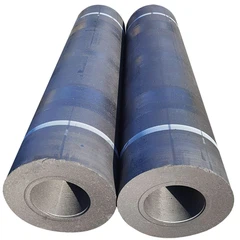
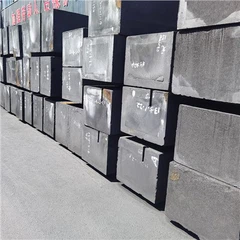
As a graphite block supplier, we offer a wide range of graphite products with improved oxidation resistance for various applications. Our Graphite Electrode Blocks For Glass Melting are designed to withstand the high - temperature and oxidizing environment in glass melting furnaces. These blocks are coated with advanced ceramic materials to ensure long - term performance and reliability.
Our Graphite Electrode Blocks For Ladle Furnaces are also engineered with enhanced oxidation resistance. Through a combination of alloying and coating technologies, these blocks can maintain their integrity and performance in the harsh conditions of ladle furnaces.
In addition, our Graphite Electrode Squares are available with different levels of oxidation resistance to meet the specific needs of our customers. Whether it is for electrical discharge machining or other high - temperature applications, our graphite electrode squares can provide excellent performance.
Contact Us for Purchase and Negotiation
If you are looking for high - quality graphite blocks with improved oxidation resistance, we are here to assist you. Our team of experts can provide you with detailed information about our products and help you select the most suitable graphite blocks for your application. We are committed to providing excellent customer service and competitive prices. Please feel free to contact us to start the purchase negotiation process. We look forward to working with you to meet your graphite block requirements.
References
- Fitzer, E., & Manocha, L. M. (1998). Carbon Fibers and Their Composites. Springer.
- Marsh, H., & Heintz, E. A. (2013). Introduction to Carbon Technologies. Elsevier.
- Oya, A., & Marsh, H. (2001). Science and Technology of Carbon Materials. Elsevier.
Send Inquiry