

Do graphite electrodes have environmental impacts?
Jul 09, 2025
Leave a message
Do graphite electrodes have environmental impacts? Well, that's a question I get asked a lot as a graphite electrode supplier. In this blog, I'll break down the environmental aspects of graphite electrodes, looking at both the good and the bad.
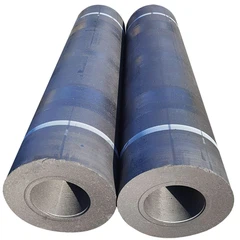
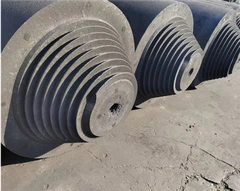
Let's start with what graphite electrodes are. They're key components in many industrial processes, especially in electric arc furnaces (EAFs) used for steelmaking. Graphite is a form of carbon, and it's highly conductive, which makes it perfect for carrying the high - current electricity needed to melt scrap metal or ore in these furnaces.
One of the major reasons graphite electrodes are so widely used is their efficiency. When you use Graphite Electrode For Electric Furnace in an EAF, it can melt metal much faster compared to some other methods. This means less energy consumption in the long run. Energy efficiency is a huge plus from an environmental perspective. Less energy use translates to fewer fossil fuels burned in power plants, which in turn leads to lower greenhouse gas emissions.
Graphite electrodes also have a role in recycling. The steel industry is one of the most recycled industries in the world, and EAFs using graphite electrodes play a big part in this. Scrap steel can be melted down and reused to make new steel products. By promoting recycling, graphite electrodes help reduce the need for virgin materials. Mining and processing virgin materials like iron ore are extremely resource - intensive and have significant environmental impacts, including deforestation, soil erosion, and water pollution. So, in this sense, graphite electrodes are actually helping to protect the environment by facilitating the recycling process.
But it's not all sunshine and rainbows. The production of graphite electrodes has its own set of environmental challenges. The raw materials for graphite electrodes, mainly petroleum coke and coal tar pitch, come from the oil and coal industries. Extracting and processing these materials can be pretty dirty. Oil and coal extraction often involve drilling, fracking, or mining, which can lead to habitat destruction, water contamination, and air pollution.
During the manufacturing process of graphite electrodes, there are also emissions. High - temperature baking and graphitization steps release various pollutants into the air. These pollutants can include particulate matter, sulfur dioxide, and volatile organic compounds (VOCs). Particulate matter can cause respiratory problems in humans, and sulfur dioxide is a major contributor to acid rain. VOCs can react with sunlight and other chemicals in the atmosphere to form ground - level ozone, which is a harmful air pollutant and a key component of smog.
Another concern is waste management. The production of graphite electrodes generates waste materials. Some of these waste materials may contain heavy metals or other contaminants. If not properly managed, these waste products can leach into the soil and groundwater, causing long - term environmental damage.
In the use phase, although graphite electrodes are efficient, they do get consumed over time. As they wear down during the melting process, they release carbon into the furnace. While this carbon is an essential part of the steel - making process, excessive carbon emissions can contribute to climate change. However, modern steel - making technologies are constantly evolving to minimize these emissions.
Now, let's talk about some of the other applications of graphite electrodes. Graphite Electrode For Glass Melting is another important use case. In glass - melting furnaces, graphite electrodes provide the heat needed to melt the glass batch. This application has similar environmental pros and cons as in steelmaking. On the plus side, it can be energy - efficient, but the production and use of the electrodes still come with some environmental burdens.
Graphite Electrodes For Iron Ore Reduction are used in processes to produce direct reduced iron (DRI). This process is an alternative to traditional blast furnaces. DRI production using graphite electrodes can be more energy - efficient and produce fewer emissions compared to blast furnaces. But again, the production of the electrodes themselves has environmental impacts.
So, what can be done to reduce the environmental impacts of graphite electrodes? Manufacturers are constantly looking for ways to improve the production process. For example, they're exploring cleaner raw materials. Some are researching the use of bio - based materials to replace or supplement petroleum coke and coal tar pitch. This could significantly reduce the environmental footprint associated with the raw material extraction.
There are also efforts to improve pollution control during the manufacturing process. Installing advanced air pollution control devices, such as scrubbers and filters, can help capture and reduce emissions of particulate matter, sulfur dioxide, and VOCs. Better waste management practices are also being implemented to ensure that waste materials are properly treated and disposed of.


In the steel - making industry, new technologies are being developed to further reduce the carbon consumption of graphite electrodes. For example, some companies are working on using oxygen - enriched processes to improve the efficiency of the melting process and reduce the amount of carbon released.
As a graphite electrode supplier, I'm always looking for ways to work with my customers to minimize the environmental impact. I'm committed to promoting sustainable practices in the industry. I encourage my customers to use the latest technologies and best practices to reduce emissions and waste.
If you're in the market for graphite electrodes and are concerned about the environmental impact, don't worry. We're here to help you find the most sustainable solutions. Whether you need Graphite Electrode For Electric Furnace, Graphite Electrode For Glass Melting, or Graphite Electrodes For Iron Ore Reduction, we can provide you with high - quality products that are produced with the environment in mind.
If you're interested in learning more about our graphite electrodes or want to start a procurement discussion, feel free to reach out. We're happy to answer any questions you may have and work with you to find the best solutions for your specific needs.
References
- "Environmental Impacts of the Steel Industry" - Journal of Industrial Ecology
- "Graphite Electrode Manufacturing: Processes and Environmental Considerations" - International Journal of Materials Science
- "Recycling in the Steel Industry: A Review" - Resources, Conservation and Recycling
Send Inquiry