

Can high purity graphite powder be used in metallurgy?
Jan 05, 2026
Leave a message
In the realm of metallurgy, the search for high - performance materials is a continuous journey. As a leading supplier of high - purity graphite powder, I am often asked about the viability of using our product in metallurgical processes. In this blog post, we will explore the properties of high - purity graphite powder and its potential applications in metallurgy.
Properties of High - Purity Graphite Powder
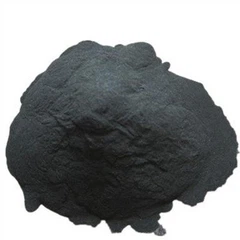
High - purity graphite powder is characterized by its extremely low impurity content. Typically, it has a carbon content of over 99%, which gives it a range of unique physical and chemical properties.
One of the most notable properties of high - purity graphite powder is its high thermal conductivity. This means that it can efficiently transfer heat, which is crucial in many metallurgical processes where rapid heating and cooling are required. For example, in the production of certain high - strength alloys, precise control of the thermal environment is essential to achieve the desired microstructure and properties.
Another important property is its chemical stability. Graphite is highly resistant to chemical attack, even at high temperatures. This makes it suitable for use in harsh metallurgical environments where it may come into contact with molten metals, slag, and various chemical reagents. It can act as a protective barrier, preventing the corrosion of other materials and ensuring the integrity of the metallurgical equipment.
High - purity graphite powder also has excellent lubricating properties. In metallurgy, this can be beneficial in processes such as metal forming and casting. It can reduce friction between the metal and the mold or die, improving the surface finish of the final product and reducing the wear and tear on the equipment.
Applications in Metallurgy
Steelmaking
In the steelmaking industry, high - purity graphite powder plays several important roles. One of the primary applications is as a recarburizer. When producing steel, the carbon content needs to be carefully controlled to achieve the desired strength, hardness, and ductility. High - purity graphite powder can be added to the molten steel to increase its carbon content in a precise and controlled manner. Compared to other recarburizers, graphite powder has a high carbon yield and can be easily dispersed in the molten metal, ensuring uniform carbon distribution throughout the steel.


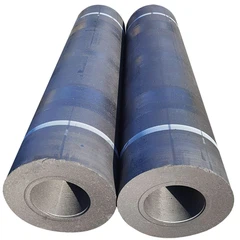
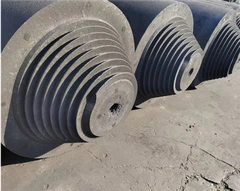
It can also be used in the lining of electric arc furnaces (EAFs). The high thermal conductivity and chemical stability of graphite make it an ideal material for withstanding the high temperatures and corrosive environment inside the furnace. Graphite electrodes, which are often made from high - purity graphite powder, are used to conduct electricity and generate the heat required to melt the scrap steel in the EAF.
Non - ferrous Metal Production
In the production of non - ferrous metals such as aluminum, copper, and magnesium, high - purity graphite powder also has significant applications. In aluminum smelting, graphite anodes are used in the electrolytic cells. The graphite anode provides a stable electrical connection and participates in the electrochemical reactions that convert alumina into aluminum. The high - purity graphite powder used in these anodes ensures high electrical conductivity and long service life.
In copper refining, graphite can be used as a crucible material. The crucible needs to withstand high temperatures and resist the corrosive action of molten copper and its alloys. High - purity graphite crucibles can maintain their shape and integrity during the refining process, ensuring the quality of the refined copper.
Foundry Applications
In foundries, high - purity graphite powder is used in mold coatings. The lubricating properties of graphite reduce the adhesion between the molten metal and the mold, making it easier to remove the casting from the mold. This not only improves the productivity of the casting process but also enhances the surface quality of the castings. Additionally, the thermal stability of graphite helps to prevent thermal cracking of the mold during the rapid heating and cooling cycles associated with casting.
Comparison with Other Materials
When considering the use of high - purity graphite powder in metallurgy, it is important to compare it with other materials that may be used for similar purposes.
For example, compared to coal - based recarburizers, high - purity graphite powder has a much higher carbon content and lower impurity levels. Coal - based recarburizers often contain significant amounts of sulfur, ash, and other impurities, which can have a negative impact on the quality of the steel. Graphite powder, on the other hand, can provide a cleaner and more efficient way to adjust the carbon content of the molten metal.
In terms of crucible materials, ceramic crucibles are also commonly used in metallurgy. While ceramic crucibles have good thermal insulation properties, they are more brittle and prone to cracking compared to graphite crucibles. Graphite crucibles can withstand mechanical shocks and thermal cycling better, making them more suitable for some high - volume and high - stress metallurgical applications.
Our Product Range
As a supplier of high - purity graphite powder, we offer a wide range of products to meet the diverse needs of the metallurgical industry. Our products are carefully processed to ensure high purity and consistent quality.
We also provide Graphitized Calcined Petroleum Coke For Composite Materials, which can be used in combination with high - purity graphite powder in some composite metallurgical applications. It has unique properties that can enhance the performance of the final product.
In addition, our Granular Calcined Petroleum Coke and Graphitized Calcined Petroleum Coke are also available for various metallurgical processes. These products have different particle sizes and properties, allowing customers to choose the most suitable option for their specific applications.
Conclusion
In conclusion, high - purity graphite powder can indeed be effectively used in metallurgy. Its unique properties, such as high thermal conductivity, chemical stability, lubricating properties, and high carbon content, make it a valuable material in various metallurgical processes, including steelmaking, non - ferrous metal production, and foundry applications.
If you are in the metallurgical industry and are looking for high - quality graphite powder or related products, we would be delighted to discuss your requirements. Our team of experts can provide you with detailed technical information and customized solutions to meet your specific needs. Contact us today to start a fruitful business partnership.
References
- "Metallurgy: Principles and Applications" by George E. Dieter
- "Graphite and Its Composites" edited by F. Rodriguez - Reinoso
- Industry reports on steelmaking and non - ferrous metal production from relevant metallurgical associations.
Send Inquiry