

Can graphite blocks be used in aerospace applications?
Jan 19, 2026
Leave a message
In the ever-evolving landscape of aerospace technology, the quest for materials that can withstand extreme conditions while maintaining high performance is relentless. Graphite, a form of carbon known for its unique properties, has long been a subject of interest in various industries. As a leading supplier of graphite blocks, I often receive inquiries about the potential use of our products in aerospace applications. In this blog post, we'll explore the feasibility and advantages of using graphite blocks in the aerospace field.


Properties of Graphite Blocks
Graphite is a crystalline form of carbon with a hexagonal lattice structure. This structure gives graphite several remarkable properties that make it a candidate for aerospace applications.
High Thermal Conductivity: Graphite has excellent thermal conductivity, which means it can efficiently transfer heat. In aerospace, where components are exposed to high temperatures during re - entry or prolonged flight, materials with good thermal conductivity are crucial. For example, heat shields on space vehicles need to dissipate heat quickly to protect the sensitive equipment and passengers inside. Graphite blocks can be used to fabricate parts of these heat shields, helping to manage the intense heat generated during atmospheric re - entry.
Low Friction Coefficient: Graphite has a very low coefficient of friction. This property makes it ideal for use in bearings, seals, and other moving parts in aerospace machinery. In aircraft engines, where components move at high speeds and under high pressures, low - friction materials reduce wear and tear, increase efficiency, and minimize the need for frequent maintenance. Using graphite blocks to manufacture these parts can lead to longer service life and better overall performance of the engine.
Chemical Inertness: Graphite is chemically inert, meaning it does not react easily with most chemicals. In the aerospace environment, where components may be exposed to various chemicals such as fuels, lubricants, and oxidizing agents, chemical inertness is a valuable property. It ensures the long - term stability of the materials and reduces the risk of corrosion and chemical degradation.
High Strength - to - Weight Ratio: Despite being relatively lightweight, graphite can have high strength. This is particularly important in aerospace, where weight savings are critical for fuel efficiency and payload capacity. By using graphite blocks to replace heavier materials in certain components, the overall weight of the aircraft or spacecraft can be reduced without sacrificing strength.
Aerospace Applications of Graphite Blocks
Heat Management Systems
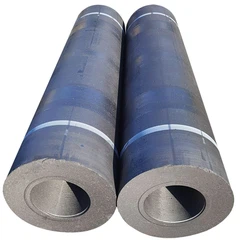
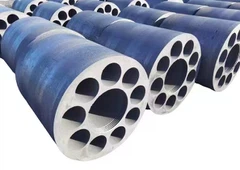
As mentioned earlier, the high thermal conductivity of graphite makes it an excellent material for heat management in aerospace. One of the most well - known applications is in the development of thermal protection systems (TPS) for spacecraft. During re - entry into the Earth's atmosphere, the spacecraft experiences extremely high temperatures due to air friction. Graphite - based TPS can absorb and dissipate a large amount of heat, preventing the interior of the spacecraft from overheating. Our Graphite Block After Processing Electrode can be customized to meet the specific requirements of these heat management systems, with precise shapes and sizes to fit various spacecraft designs.
Electrical Components
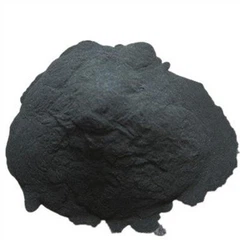
Graphite is a good conductor of electricity. In aerospace, electrical systems are complex and require materials that can conduct electricity efficiently while being lightweight and reliable. Graphite blocks can be used to manufacture electrical contacts, brushes, and other components in avionics systems. For example, in some satellite power systems, graphite electrodes can be used to transfer electrical current with minimal resistance. Our Graphite Electrode Blocks For Powder Metallurgy can provide the necessary electrical conductivity and mechanical properties for these applications.
Mechanical Components
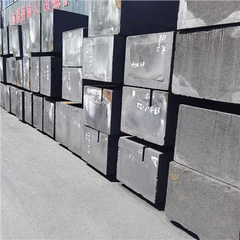
The low friction coefficient and high strength - to - weight ratio of graphite make it suitable for mechanical components in aerospace. In aircraft engines, graphite bearings can reduce friction and wear between moving parts, improving the efficiency and reliability of the engine. Additionally, graphite composite materials made from graphite blocks can be used to manufacture structural components such as wings and fuselage parts. These composite materials offer a good balance of strength and weight, contributing to the overall performance of the aircraft. Our Irregular Graphite Block can be further processed to create custom - shaped mechanical components for aerospace applications.
Challenges and Considerations
While graphite blocks offer many advantages for aerospace applications, there are also some challenges that need to be addressed.
Oxidation Resistance: At high temperatures in an oxygen - rich environment, graphite can oxidize. This can reduce its mechanical and thermal properties over time. To overcome this issue, special coatings can be applied to the graphite blocks to protect them from oxidation. Research is also ongoing to develop new graphite - based materials with improved oxidation resistance.
Cost: Graphite materials, especially those with high - purity and specific properties required for aerospace applications, can be relatively expensive. This cost factor needs to be carefully considered in the design and manufacturing process. However, the long - term benefits such as reduced maintenance and improved performance may offset the initial high cost.
Manufacturing Complexity: Machining graphite blocks into precise shapes for aerospace components can be challenging. Graphite is a brittle material, and special machining techniques need to be used to avoid cracking and chipping. Our company has extensive experience in machining graphite blocks, and we use advanced CNC machining technology to ensure the high precision and quality of our products.
Conclusion
In conclusion, graphite blocks have significant potential in aerospace applications due to their unique properties such as high thermal conductivity, low friction coefficient, chemical inertness, and high strength - to - weight ratio. They can be used in heat management systems, electrical components, and mechanical components in both aircraft and spacecraft. Although there are challenges such as oxidation resistance, cost, and manufacturing complexity, with continuous research and development, these issues can be effectively addressed.
If you are in the aerospace industry and are interested in using graphite blocks for your projects, we invite you to contact us for further discussions. Our team of experts can provide you with detailed information about our products, including their specifications, performance, and customization options. We are committed to providing high - quality graphite blocks and excellent service to meet your specific needs. Let's work together to explore the possibilities of graphite in aerospace applications and drive the future of aerospace technology forward.
References
- "Materials Science and Engineering: An Introduction" by William D. Callister Jr.
- "Aerospace Materials and Structures" by John W. Starnes Jr.
Send Inquiry