


What is the difference between carbon electrode and graphite electrode?
Jul 19, 2024
Leave a message
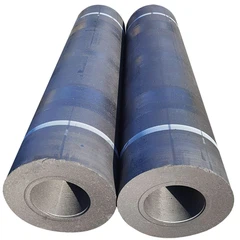
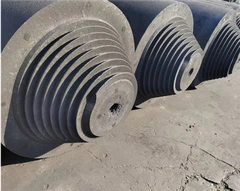
Graphite electrode is mainly made of petroleum coke and needle coke as raw materials, coal tar pitch as binder, and is made by calcination, batching, kneading, pressing, roasting, graphitization, and machining. It is a conductor that releases electric energy in an arc furnace to heat and melt the charge. According to its quality indicators, it can be divided into ordinary power graphite electrode, high power graphite electrode and ultra-high power graphite electrode.
Production characteristics: long production cycle, high energy consumption, and many production processes. The required carbon raw materials such as petroleum coke and coal tar pitch are by-products of production and processing by oil refining enterprises and coal chemical enterprises. The quality and stability of the raw materials are difficult to be fully guaranteed, especially the needle coke, modified electrode asphalt and special impregnating agent asphalt with low quinoline insoluble content used in the production of high power and ultra-high power graphite electrodes. It is urgently needed for the attention and active cooperation of my country's petroleum and coal chemical processing enterprises.
Application areas:
(1) Used in electric arc steelmaking furnaces; electric furnace steelmaking is a major user of graphite electrodes. Electric furnace steel production in my country accounts for about 18% of crude steel production, and graphite electrodes for steelmaking account for 70% to 80% of the total graphite electrode consumption. Electric furnace steelmaking uses graphite electrodes to introduce current into the furnace, and uses the high-temperature heat source generated by the arc between the electrode point and the charge to perform forging.
Used in electric arc furnaces; electric arc furnaces are mainly used to produce industrial silicon and yellow phosphorus. Their characteristics are that the lower part of the conductive electrode is buried in the furnace, an arc is formed in the material layer, and the heat energy generated by the resistance of the charge itself is used to heat the charge. Electric arc furnaces that require higher current density require graphite electrodes. For example, about 100 kg of graphite electrodes are consumed for every ton of silicon produced, and about 40 kg of graphite electrodes are consumed for every ton of yellow phosphorus produced.
Xinhui Carbon specializes in the production and sales of graphite and carbon products, and can meet the needs of customers in different fields.
Send Inquiry