


Uses and properties of graphite electrodes
Aug 23, 2024
Leave a message
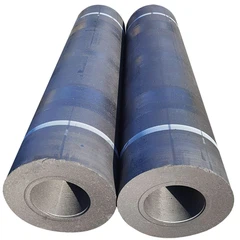
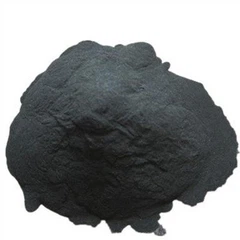
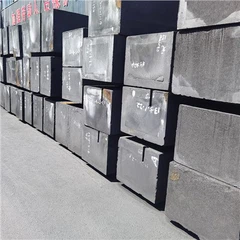
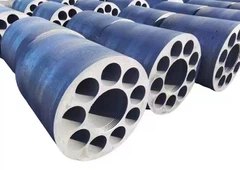
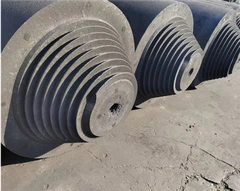
Graphite electrode refers to a kind of high temperature resistant graphite conductive material made of petroleum coke and asphalt coke as aggregates and coal tar pitch as binder, which is made through raw material calcination, crushing and grinding, batching, kneading, molding, roasting, impregnation, graphitization and mechanical processing. It is called artificial graphite electrode (referred to as graphite electrode), which is different from natural graphite electrode made of natural graphite as raw material.
Graphite electrode is mainly made of petroleum coke and needle coke as raw materials, coal tar pitch as binder, and is made through calcination, batching, kneading, pressing, roasting, graphitization and machining. It is a conductor that releases electric energy in the form of electric arc in an electric arc furnace to heat and melt the charge. According to its quality indicators, it can be divided into ordinary power graphite electrode, high power graphite electrode and ultra-high power graphite electrode. The main raw material for graphite electrode production is petroleum coke. A small amount of asphalt coke can be added to ordinary power graphite electrode. The sulfur content of petroleum coke and asphalt coke cannot exceed 0.5%. Needle coke is also required when producing high power or ultra-high power graphite electrodes. The main raw material for the production of aluminum anodes is petroleum coke, and the sulfur content is controlled not to exceed 1.5% to 2%. Petroleum coke and asphalt coke should meet the relevant national quality standards.
Send Inquiry