


Title: General Understanding of Carbon Graphite
Nov 01, 2024
Leave a message
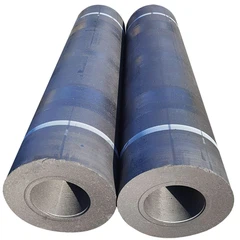
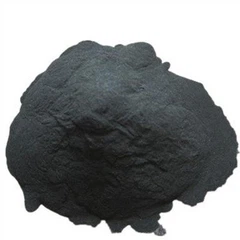
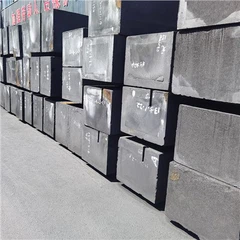
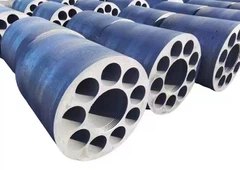
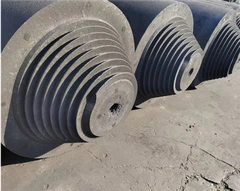
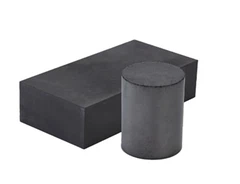
Synthetic Graphite is a product made from the heat treatment process of calcined petroleum coke and coal tar pitch as a binder matrix to form different shapes, like rods, blocks or powder. After going through the graphitization, they are subjected to successive heat at very high temperatures. The graphitization process is achieved by circulating electric current in continuous steps via the mixture of amorphous carbons, which can reach 3000 Celsius degrees in the container.
In terms of portion of carbon, synthetic graphite is highly pure, and it can contain 98% carbon. It's known for its ability to withstand corrosion and high temperatures, as well as being highly lubricating. In the treatment process under high temperatures, the properties of the raw materials have been changed dramatically. For example, the molecular rearrangement of amorphous carbon into an ordered graphite structure. Due to this chemical transformation, the characteristics associated with graphite, including high crystallinity, low coefficient of thermal expansion, low electrical resistivity, high thermal conductivity, and resistance to thermal shock are imparted to the material. Graphite Electrodes are one of the synthetic graphite products which mainly utilized for furnaces in steel factories.
Xinhui Carbon focuses on the manufacturing of graphite products with more than 20 years and equipped with sufficient development experience on intellectual property rights and self-export license. All products acquired quality and environmental management system certification accordingly. Due to excellent quality and enterprise reputation, our products are exported to Europe, Asia, North and South America, the Middle East and other countries around the world.

Send Inquiry