


The Feature of Electrical Conductivity from Graphite
Aug 29, 2024
Leave a message
While we are talking about graphite, the picture of the active ingredients in lead pencils comes out of most people's minds. However, the one we are discussing here is a major additive to many coating systems that provides functionality as a refractory, lubricant, thermal conductor, electrical conductor, etc. Graphite has many different features, one of them is electrical conductivity. Even though it is a non-metal, it is still a good conductor of electricity.
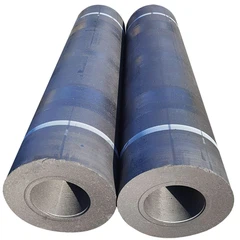
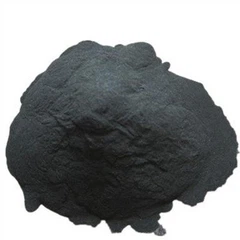
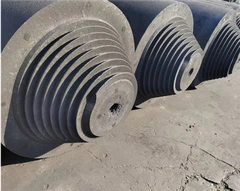
Conduction happens while a pathway for electron transfer exits. Taking advantage of these features, Graphite electrodes or rods are commonly seen in the utilization of making molten or dissolving scraps with high temperatures. The result of conductivity depends on the density of composite in structure, and Interparticle porosity also influences the performance of conductivity. The performance of conductivity in the coating is a strong function of particle size. The finer materials prefer to have shorter electronic pathways. And more particles per unit volume of coating come with more particle gaps. The fine particles lead to better dispersion of conductive carriers by the coating matrix. In applications, graphite powders can be applied with highly effective conductive fillers. At the same time, it is given to multi-particle sizes and distributions to optimize space filling within the coating matrix. While the additional materials are added in the mixer, the conductive effect of graphite can be further enhanced.
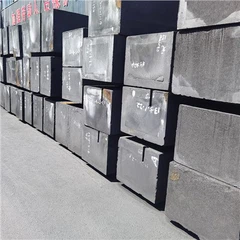
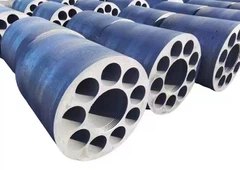
For achieving certain functions, Graphite products in Xinhui Carbon always use the right amount of portion in the mixer. For instance, the Ultra high Power graphite electrodes need to have higher density and better function on electrical conductivity. Our products inspection team developed some new test technologies and made sure all our products can meet high standards.

Send Inquiry