


The briefing of molecular structure of graphite
Feb 21, 2025
Leave a message
Graphite has a layered molecular structure characterized by sheets of carbon atoms arranged in a hexagonal lattice. Each carbon atom is bonded to three other carbon atoms in the same plane through strong covalent bonds, forming a two-dimensional network. In terms of Graphite's molecular structure, there are some key features:
Layered Arrangement: Graphite is composed of multiple layers (or sheets) of these hexagonal arrays of carbon atoms. Each layer is held together by weak van der Waals forces, allowing the layers to slide over one another easily.
Bonding: The carbon-carbon bonds within each layer are strong and covalent, while the interactions between the layers are much weaker, which contributes to graphite's lubricating properties.
Hybridization: Each carbon atom in graphite is sp² hybridized, which means that one of its p orbitals remains unhybridized, allowing for delocalized π electrons across the layer. This delocalization contributes to graphite's electrical conductivity.
3D Structure: While the individual layers are two-dimensional, the overall structure of graphite is three-dimensional, with many of these layers stacked together.
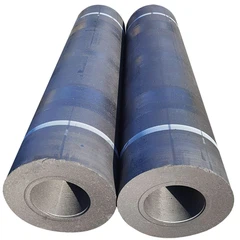
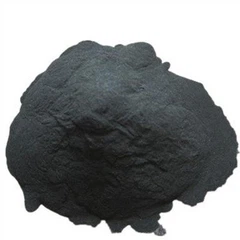
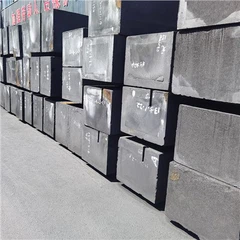
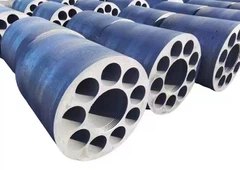
This unique structure gives graphite its distinct properties, such as its conductivity, lubricity, and ability to withstand high temperatures. Xinhui Carbon, as the specialist in the production of graphite products, takes advantage of those great features of graphite and manufactures lots of related products, like graphite electrodes, graphite rods, graphite blocks, graphite crucibles and graphite powder. Due to strict quality control, our products have received excellent feedback in the market. If you have any questions or request specific information, please get in touch with me via email wendy@lzxhcarbon.com.
Send Inquiry