


One Kind of Graphite Product — Electrode Paste
Nov 22, 2024
Leave a message
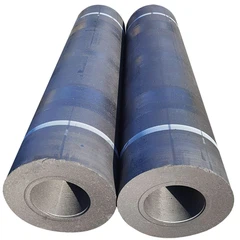
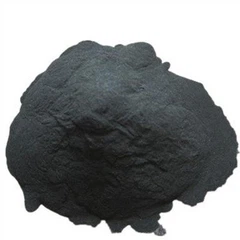
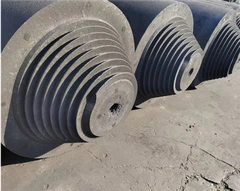
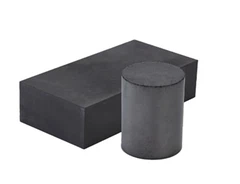
Electrode paste, also known as self-baking electrodes, is gas or electrically calcined anthracite, artificial graphite and coal pitch as materials produced in the forms of briquettes or cylinders. During the electric smelting process, it is used to generate continuous conductivity for making pig iron, ferroalloys, silicon, platinum matte and calcium carbide, etc. To optimize its properties, electrode paste usually comprises electrically calcined anthracite, optionally combined with other carbon-based materials, or bound together with coal-tar pitch.
In electric furnace equipment, such as ferroalloy furnaces and calcium carbide furnaces, when the material descends temperature, the baking electrodes will be raised. From the top of the casing and downwards to the electrode holder, the temperature of the furnace will increase gradually. At the same time, the original solid paste will get soft. When the temperature reaches 10-80°C, the electrode paste will be softened enough to flow out and fill the entire cross-section of the casing. When the temperature reaches a certain degree, coking of the binder takes place and the paste is baked into a solid carbon electrode. In the furnace, the electric discharge from the graphite electrode led to gradual consumption of the electrode material at the tip of the rods. The entire electrode mass therefore gradually descends, leaving more room for adding electrode paste at the top. Xinhui Carbon has the whole team in terms of graphite electrodes and electrode paste. We work closely with our clients to reduce the consumption of graphite electrodes and electrode paste to achieve more stable electrode operation. While you come across the issues of unexpected performance on graphite products, we are on hand to help, the technician team will support you in determining the cause of the problem and provide the best advice on sorting it.

Send Inquiry